Table of Contents
This updated guide explores blue light filter glasses help you sleep better and concentrate better with practical details, clear explanations, and useful takeaways. Surprisingly, one of the most impactful tech upgrades you can make isn't new software, productivity tools, or even a faster computer—it is a simple pair of glasses.
- Do blue light filter apps really work?
Blue Light Filter Glasses Are More Than Just a Fashion Accessory
When most people hear 'wearable tech,' they think of tools built around sensors, data, and connectivity, like smartwatches, biometric rings, or VR headsets. Blue light-filtering glasses are none of those things. There's no Bluetooth, no app integration, no buzzers or alerts. Yet they've become some of the most valuable tools on your desk.
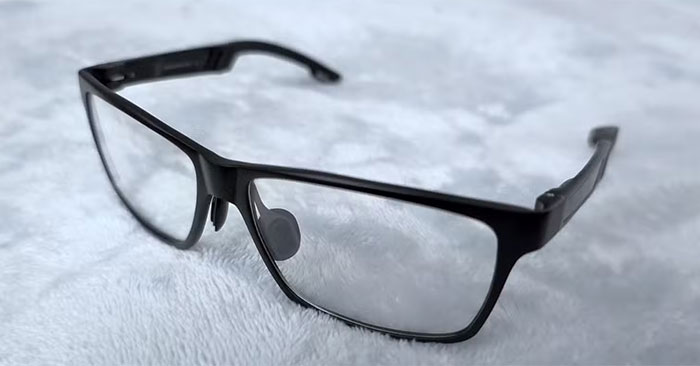
Many people spend 10 to 14 hours a day in front of a screen. Their work routine involves using multiple monitors, laptops, and smartphones—often at the same time. That means intense screen time from the moment you start work until late at night. Over time, the stress builds up and becomes too much to bear.
The simplicity of the solution is part of what makes it so effective. There is no software to configure, no integration steps, and no syncing between devices. You just put on your glasses and they instantly become part of your setup, no configuration required.
The Source of Visual Stress That Most Experts Ignore
If your day revolves around digital work, screen time becomes a staple, including emails, documents, designs, countless tabs, Microsoft Teams, Zoom, and the occasional research session.
Before wearing blue light blocking glasses, constant low-level eye strain, energy dips after 3pm, and nighttime restlessness were simply part of the job. There are many occupational hazards associated with screens.
That changes quickly after you buy a pair of blue light blocking glasses. They're nothing fancy, just a neat, well-made design with almost completely clear lenses. Within a few days, you'll start to notice that you're noticeably more focused and less visually fatigued. The change is dramatic, consistent, and noticeable.
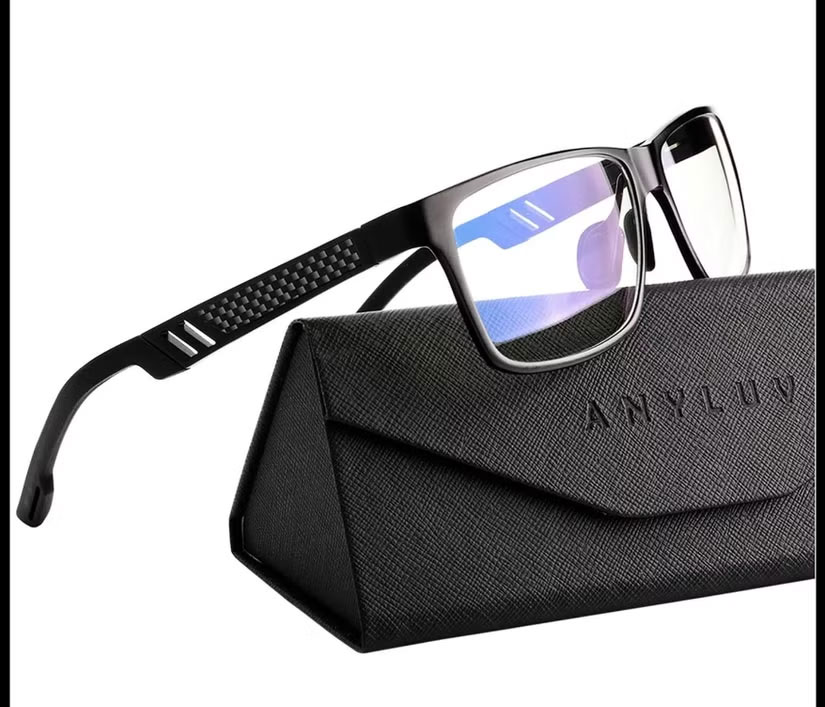
Unlike many of today's over-engineered gadgets, these glasses only offer one function and do it well. There are also more advanced smart glasses that not only filter out blue light but also offer features like audio and connectivity, combining style with function.
The Technology Behind the Lenses
What makes blue light filtering glasses a necessary tech product isn't the smart features, but the optical engineering.
High-quality lenses are made with a coating that filters a specific segment of the visible light spectrum, primarily targeting high-energy visible (HEV) blue light in the 400–450nm range. This range is the strongest part emitted by LED and OLED screens. that is where the strain comes from.
A standard pair of glasses filters out 45% of that spectrum, enough to significantly reduce eye strain without distorting color accuracy — an important consideration for anyone working with user interface design, video editing, or simply navigating modern dark mode interfaces.
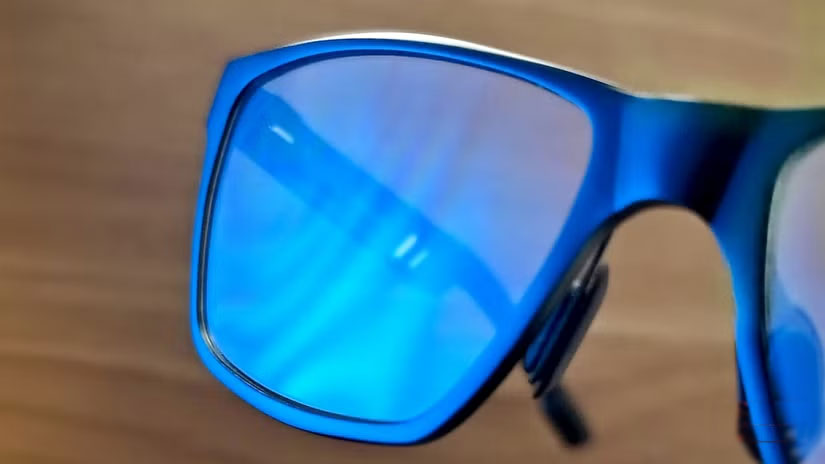
Along with filtering out blue light, the lenses also feature anti-glare and anti-scratch coatings, which are especially useful in mixed lighting settings. Many people work with fluorescent lights during the day and LED lights at night, often with natural light coming in from side windows. The glasses help maintain a consistent visual experience regardless of how the ambient light changes.
it is easy to forget that 'technology' does not necessarily mean 'connected.' Sometimes it means applying scientific and engineering principles to solve real-world problems without overcomplicating the experience. These glasses are a perfect example. No power, no syncing, no updates. Just a clean interface, tailored to your eyes.
Dramatic Improvement in Concentration and Mental Clarity
These glasses will help reduce eye strain and can help reduce screen fatigue late at night, but many people do not buy them to improve their ability to focus. Still, you will notice a significant improvement in your ability to focus consistently on your work.
Without the constant, subtle distractions of screen time, your brain feels more ready. There are fewer mental distractions during design sessions. More importantly, you stop feeling the constant cognitive decline that usually occurs around the sixth or seventh hour of screen time.
Most experts underestimate the impact of sensory input on mental endurance. Every flicker, every glare, every strong blue pixel adds up over time. When that load is reduced, your ability to focus increases dramatically.
What's most striking is how seamlessly this improvement integrates into your workflow. You do not have to adopt a new routine or learn any fancy tricks – you just put the glasses on and notice that you can focus longer, think more clearly, and work with fewer interruptions. There's something incredibly powerful about a passive tool that delivers active results.
Consistent Visual Experience Across Devices
The benefits become more apparent when you move between devices. Say you use your laptop, your 32-inch monitor, your smaller ultrawide monitor, and your phone throughout the day—each with its own brightness level, resolution, and refresh rate. Before glasses, that constant switching created visual friction. Brightness would change, fonts would shift slightly, and my eyes would have to recalibrate every time I changed context.
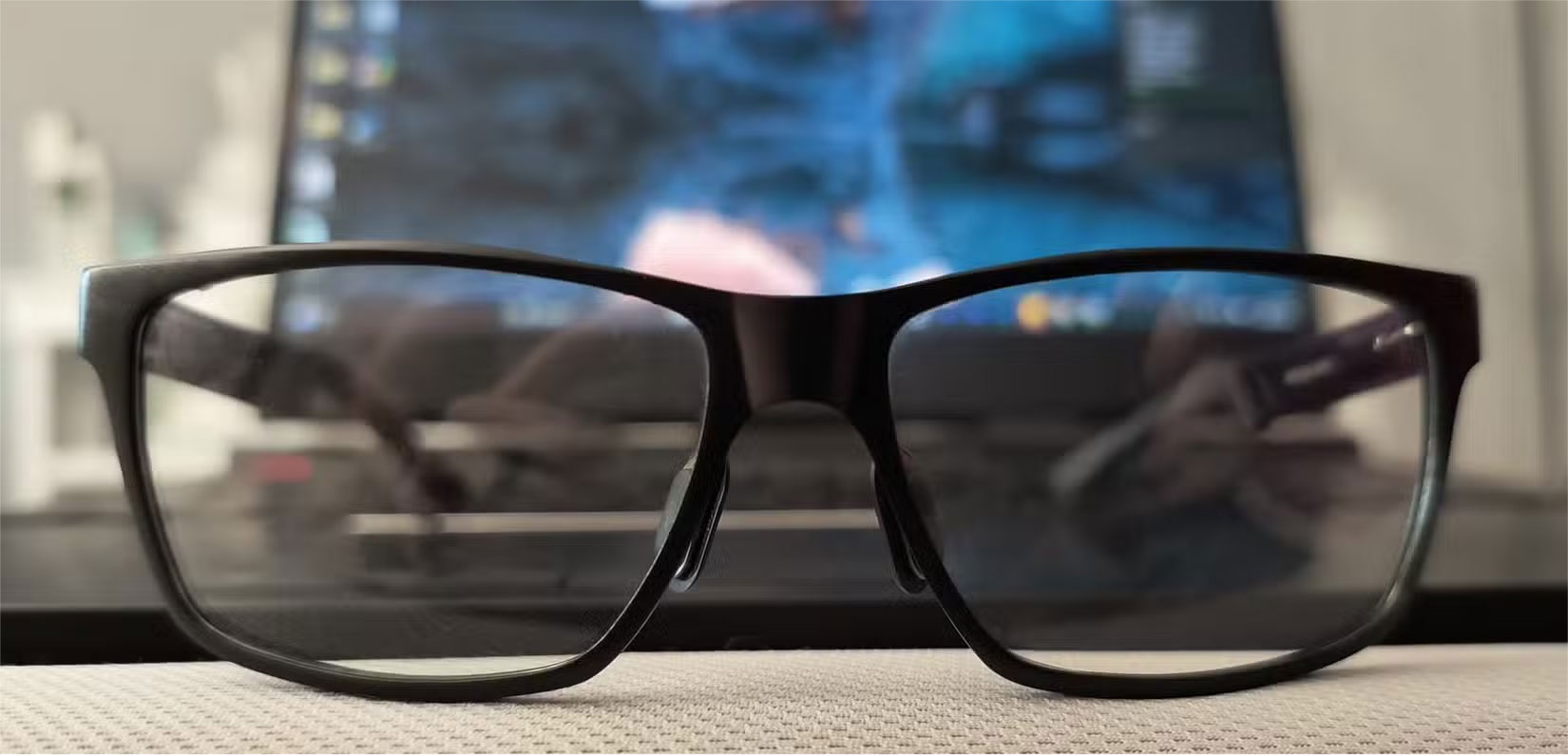
Now, when wearing glasses, the experience remains consistent. Your eyes do not have to adjust to different lighting conditions or color temperatures as much. it is a small change, but it makes for a much smoother and more engaging work environment.
In multi-monitor setups—especially stacked or vertical layouts—the difference is even more noticeable. You're surrounded by light sources, many of which are outside your primary field of vision. That peripheral exposure contributes to fatigue, and glasses help alleviate it easily.
Such a plug-and-play effect is rare. Most devices you add to your workspace require some kind of integration, calibration, or troubleshooting. These do not. To complement this setup, it is important to include the right desk accessories to maintain comfort and productivity throughout the day.
Unexpected Sleep Upgrade
The most pleasant surprise was that they improved my sleep a lot.
After a few evenings of wearing the glasses after work, you will notice that you fall asleep faster. You will no longer feel restless and will not lie awake with that tense, overstimulated feeling that often occurs after a long evening of work or late night gaming.
Even if you do not change anything about your sleep habits (still using screens until you fall asleep), the glasses still provide a much-needed buffer. While some people rely on fancy sleep trackers to optimize their sleep, blue light blocking glasses offer a simple way to improve overall rest without any bulky technology.
What to Look for in a Pair of High - Quality Blue Light Filtering Glasses
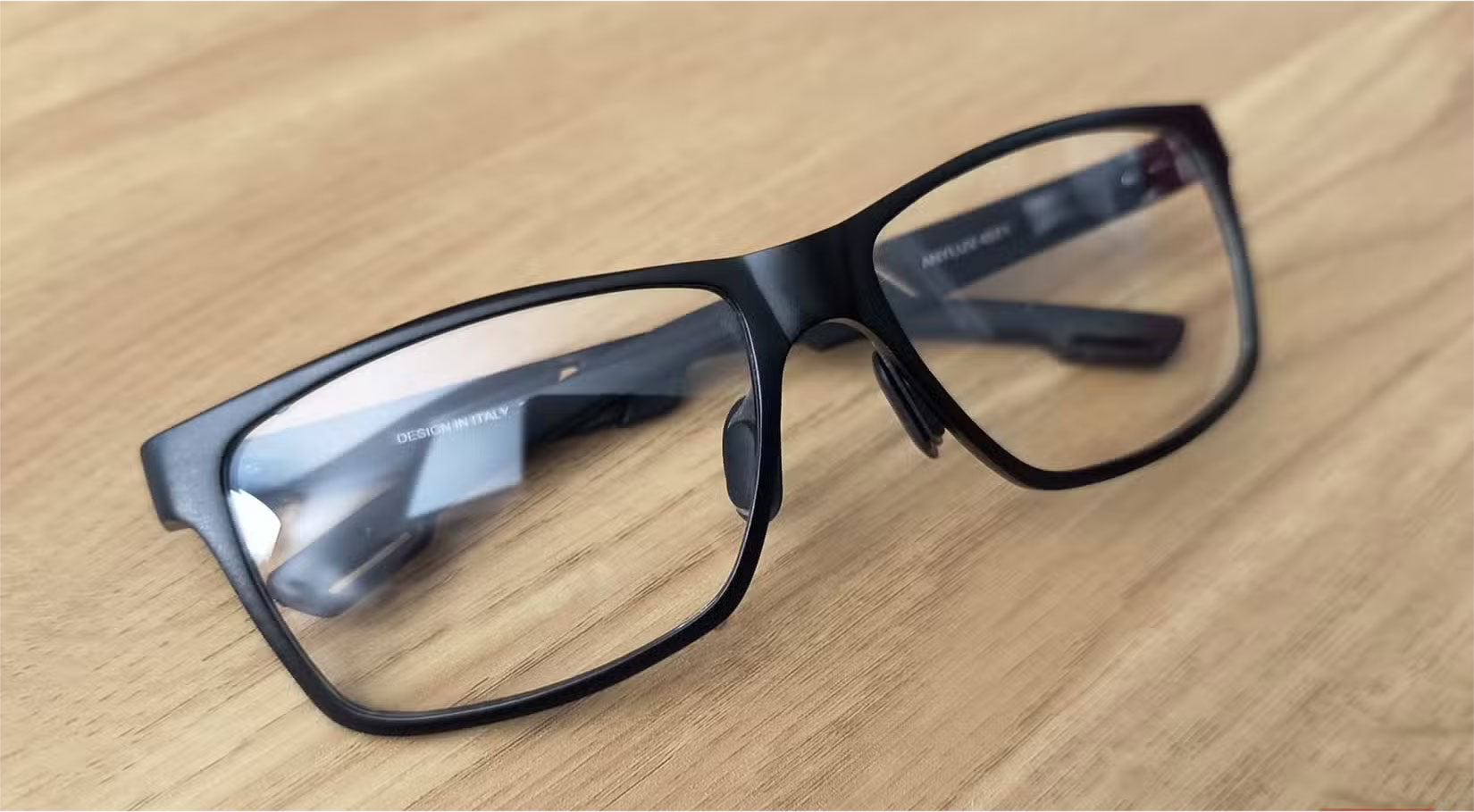
Here are the things It is best to prioritize when evaluating a quality pair of blue light filtering glasses:
- Effective filtering : Look for lenses that block at least 35% of HEV light in the 400–450nm range.
- Color Accuracy : Clear or nearly clear lenses are best for daytime use and professional work. Reserve darker amber shades for nighttime use only.
- Lens coatings : ensure the lenses have anti-glare, anti-smudge, and anti-scratch coatings. These are more important than you might think.
- Comfortable Design : Like any pair of glasses, lightweight, well-balanced frames are important for all-day wear. Unbalanced frames will become uncomfortable after a long time.
- Trusted Manufacturer : Choose brands with a strong background in optical engineering. Generic online sellers often sacrifice filtering accuracy and build quality.
Blue light filtering glasses range in price from $20 to $200. Your best bet is to read reviews and talk to other people who use them regularly. Along with ANYLUV, many people have had good experiences with brands like Gunnar and Felix Gray. There are also a few other specialized options worth considering.
After years of optimizing your workflow with upgraded hardware, ergonomic peripherals, and high-end monitors, it might come as a surprise that a pair of glasses can deliver one of the most significant productivity gains in your routine. If your daily work is screen-based—as most modern jobs are—a well-made pair of blue-light-filtering glasses is one of the easiest and smartest upgrades you can make this year.
See also:
- Some simple eye relaxation and stress reduction exercises
- 11 tips to protect your eyes when using your phone
FAQ
What is the main takeaway about Blue Light Filter Glasses Help You Sleep Better and Concentrate Better?
The key is to understand the core idea, compare the available options, and apply the practical guidance that matches your situation.
What should beginners know about Blue Light Filter Glasses Help You Sleep Better and Concentrate Better?
Start with the essential steps and terminology. Avoid changing advanced settings until you understand how they affect performance, privacy, cost, or compatibility.
How can I use this information in practice?
Follow the relevant section in order, test one change at a time, and confirm the result before moving to the next step or recommendation.
Related Articles
 Blue Light Filtering Applications Must Be Available for Your14 minutes read
 What Is the Blue Light-blocking Glass: Learn About Blue Light9 minutes read
 Are Green Light Filtering Applications Really Effective?10 minutes read
 Enable to Limit Blue Light from PC and Mac Computer Screens to Protect Sleep - Did You Know?6 minutes read
 Blue Light Filter, Application to Prevent Eye Strain When Using4 minutes read
 Steps to Filter Blue Light on PC, Laptop to Protect Eyes6 minutes read
Reader Comments 0
Sign in with email or Google to join the discussion.