Table of Contents
You may never have thought that something as simple as walking could be linked to the risk of developing a blood clot.
You may never have thought that something as simple as walking could be linked to the risk of developing a blood clot. Sounds unbelievable, right?
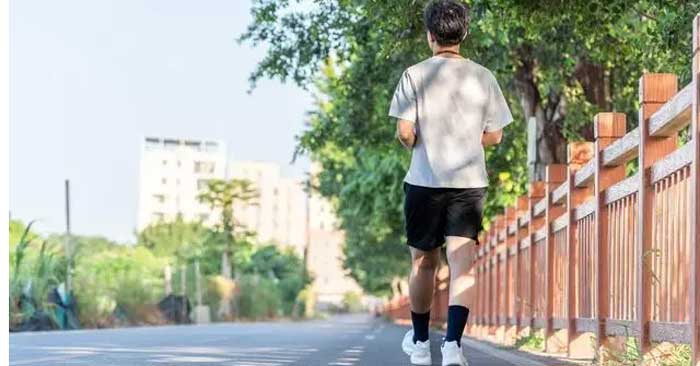
Recently, the medical community has discovered that walking can actually reflect your health, especially your blood circulation. Doctors say: " Walking is the cheapest way to check your health. "
Have you ever noticed small changes in your body when you walk? For example, sore calves, swollen ankles, or even weakness in your legs after just a few steps? These seemingly minor symptoms could be warning you of a blood clot.
What is a blood clot and what causes blood clots?
Simply put, a blood clot is a thick mass of blood that forms in a blood vessel. Blood that normally flows through a blood vessel will clot under certain circumstances, forming a clot and blocking the flow of blood.
Slow blood flow in the body, damaged blood vessel walls, or abnormal blood clotting can all lead to blood clots. If blood clots occur in the brain, heart, or lungs, they can cause life-threatening conditions such as cerebral infarction, myocardial infarction, or pulmonary embolism.
According to the World Health Organization, blood clot-related diseases have become the second leading cause of death worldwide, causing nearly 10 million deaths each year. More than a third of these patients have no obvious health warning signs before symptoms appear. This makes blood clots an invisible health threat. However, our bodies have begun to send out signals, especially through walking habits, that can reveal clues about blood clots.
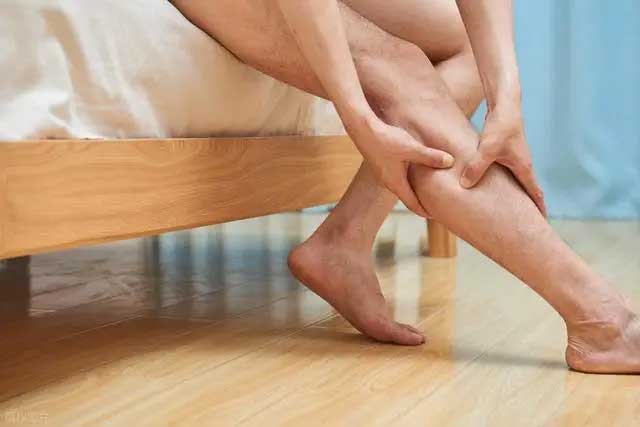
Common signs warning of blood clots when walking
People with blood clots often experience special symptoms when walking every day, specifically:
Pain and discomfort in the calves when walking
Have you ever been walking and suddenly felt a problem with your calf muscles, aching and tight? This is not just a sign of fatigue; it could be due to poor circulation.
When blood cannot circulate easily to the legs, this will lead to a lack of oxygen and nutrition. From there, the muscles will start to emit " Alarm signals ". You may subconsciously think this is a state of fatigue after over-exercising or sitting for a long time, but it is very possible that blood clots are silently forming in the lower limbs.
Many studies have shown that about 40% of patients with deep vein thrombosis in the lower extremities initially seek medical attention because they feel leg pain when walking. If you suddenly feel this discomfort during daily activities, especially after walking for a while, you should be alert and seek medical attention promptly.
Legs swell and feel heavy after walking for a while
Swelling in the ankles and calves when walking, especially after just a few steps, is also a classic sign of a blood clot. When you walk, blood flow is blocked and fluid begins to accumulate in the lower limbs, causing swelling.
If this swelling is accompanied by a feeling of heaviness, it could be a sign of a blood clot. Many people dismiss this as a result of "edema" Or "fatigue" , but overlook the fact that it could be an early sign of a blood clot.
This phenomenon does not only occur in the elderly. Many young people who sit for long periods of time, especially office workers, are also at risk of blood clots. If you notice obvious swelling when walking, pay attention and go to the hospital for examination as soon as possible.
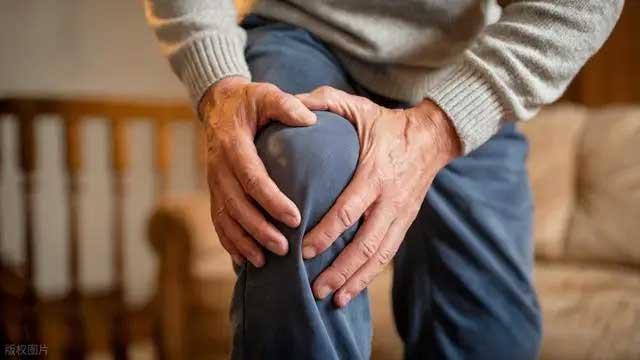
Unsteady gait and weak legs and feet when walking
Do you find yourself staggering, as if walking on cotton wool, with erratic steps and difficulty maintaining balance? Many people attribute this condition to aging or physical exhaustion. However, it can also be related to blood clots.
When blood flow is poor, especially in the lower limbs, the leg muscles lack the energy to support them, leading to an unsteady and tired gait. People at risk of developing blood clots are particularly susceptible to feeling weak when walking.
A report from the European Society of Cardiology found that about 30% of patients with peripheral arterial thrombosis had symptoms of unsteadiness six months before the thrombosis occurred. Unfortunately, many people often ignore this sign.
Cold or even numb feet when you walk
If you suddenly notice that your calves become pale, cold, or even numb when walking, the cause is not the cold weather or inappropriate clothing, but rather blocked blood circulation, leading to anemia. This is especially true when there is a blood clot in the arterial system, which often causes a drop in skin temperature after exercise.
If this condition persists or gradually worsens, You should be especially careful. Research from the Mayo Clinic in the United States shows that about 50% of patients with lower limb arterial thrombosis will experience a drop in skin temperature after mild exercise, and they face a higher risk of cardiovascular and cerebrovascular events.
If you experience any of these symptoms while walking, especially if they persist or become more severe, don't take them lightly. Blood clots often don't cause obvious symptoms like fever or severe pain, but instead silently alter your health by causing poor circulation over time.
If you notice these signs, you should go to the hospital immediately for an ultrasound of the lower limb blood vessels or necessary tests to check for abnormal blood clots. This is especially necessary for the elderly, those who sit for long periods, are obese, smoke, or have high blood pressure, high cholesterol or diabetes, because the risk of blood clots is higher, so early detection is very important.
FAQ
What should you know about blood clot warning signs that may appear after walking?
In practical terms, you may never have thought that something as simple as walking could be linked to the risk of developing a blood clot.
Why does blood clot warning signs that may appear after walking matter?
The article highlights that legs swell and feel heavy after walking for a while Swelling in the ankles and calves when walking, especially after just a few steps, is also a classic sign of a blood clot.
What is the main takeaway?
The main takeaway is that this is especially true when there is a blood clot in the arterial system, which often causes a drop in skin temperature after exercise.
Related Articles
 New Technology: Use Low-frequency Ultrasound to Break Blood Clots3 minutes read
 Warning: Watching TV for Too Long Can Increase the Risk of Blood Clots4 minutes read
 Warning: Caesarean Section Is at Risk of Blood Clots in the Legs and Lungs3 minutes read
 Extremely Simple Secret to Help Prevent Chronic Back Pain: Complete Guide4 minutes read
 Common Antihypertensive Drugs Are Linked to Skin Cancer Risk4 minutes read
 Using Statins Can Reduce the Risk of Dangerous Blood Infections3 minutes read
Reader Comments 0
Sign in with email or Google to join the discussion.