Table of Contents
Blood pressure normally changes through the day and begins rising before you wake up. Persistently high morning readings deserve attention, but skipping breakfast alone is not a reliable explanation. Measurement conditions, sleep, and how well hypertension is controlled also matter.

A morning rise is not always an abnormal spike
Mayo Clinic explains that blood pressure usually falls during sleep and rises around waking. An unusually high morning pattern can be associated with poorly controlled hypertension or obstructive sleep apnea, among other problems.
A reading taken while rushing, immediately after exercise, or after coffee is not directly comparable with a calm resting measurement. A cuff of the wrong size or an unsupported arm can also affect the result.
Check morning readings consistently
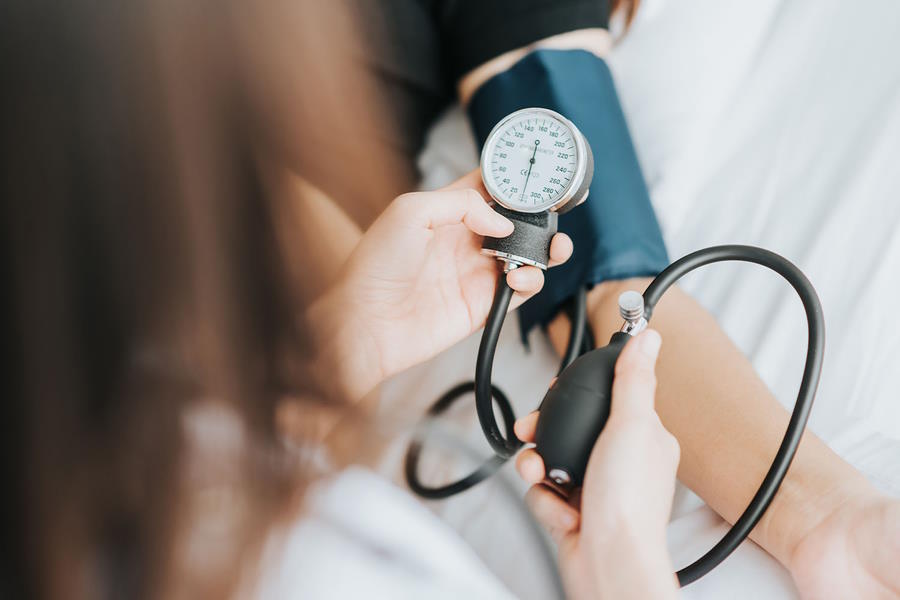
Ask your clinician when and how often to measure. Mayo Clinic’s home-monitoring guide suggests checking before breakfast and medicines when following its morning schedule, but not immediately on waking. Follow your own treatment instructions; do not delay or change medicine on your own.
- Avoid smoking, caffeine, and exercise for 30 minutes beforehand and empty your bladder.
- Sit quietly for at least five minutes with your back supported, feet on the floor, and legs uncrossed.
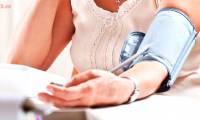
- Use an appropriately sized cuff on a bare upper arm, with the arm supported at heart level. Stay quiet during the reading.
- Take a repeat measurement and record both results, the time, and any relevant symptoms or circumstances.
The American Heart Association’s instructions explain preparation and how to respond to a high result. A series of comparable readings is more informative than one isolated number.
Where breakfast fits
Research linking breakfast habits with health outcomes does not, by itself, prove that skipping one meal causes an immediate blood-pressure surge. People’s overall diet, health, activity, and routines differ. Eating breakfast is not a substitute for prescribed treatment.
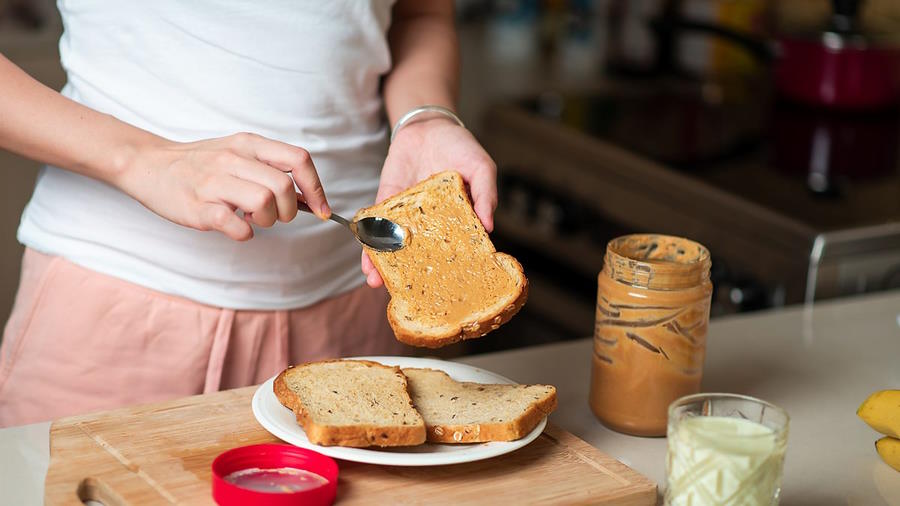
If breakfast suits your routine, use it to support a balanced, lower-sodium eating pattern. The DASH eating plan emphasizes vegetables, fruit, whole grains, beans, nuts, and appropriate protein and dairy foods, while limiting sodium and saturated fat.
Options include oatmeal with fruit, plain yogurt with oats, or whole-grain toast with an egg. Compare sodium in packaged cereals, bread, sauces, and processed meats rather than assuming every breakfast food is equally suitable. TipsMake’s overview of barcode-scanning apps includes tools for checking food information; the product’s actual label remains important.
When to seek help
Share repeated readings above your agreed target with your clinician, especially if the morning pattern is new. Mention sleep problems, missed doses, and other medicines. TipsMake’s healthy-aging questions offer related prompts about activity and daily habits.
If the upper number is above 180 or the lower number is above 120 mm Hg, repeat the measurement after at least one minute. If it remains very high, contact a healthcare professional immediately. With chest pain, shortness of breath, weakness, numbness, vision changes, or trouble speaking, call your local emergency number immediately and do not wait for the pressure to fall.
Related Articles
 The blood pressure of women before conception can determine the sex of the fetus
 Monitor your blood pressure with selfie photos, why not?
 High blood pressure, arthritis is more common in people living on high
 Every day a branch of celery & Surprise use with high blood pressure
 A low-sodium diet can help you deal with hypertension
 Where to buy a blood pressure monitor?
Reader Comments 0
Sign in with email or Google to join the discussion.