Table of Contents
Explore AI can assist in inventing but not be recognized as an inventor.
These systems are legally no different than microscopes, databases, or software. They help you produce results, but they are not the 'inventors' themselves, according to USPTO Director John Squires.
The key rule is simple: Only humans can be inventors. Even if an AI suggests an idea or sketches a design, a human must be the one who 'conceived' the invention to qualify for a patent. You also can't list an AI as a co-inventor on the application.
This marks a change from the previous administration, when the USPTO used a 'joint invention' standard for AI-powered products. Now, things are simplified: there is just one standard, and AI is not allowed a seat at the table.
AI is everywhere in innovation: from drug discovery to component design to process simulation and optimization. Without clear regulation, researchers and businesses will have no idea whether what they create will be protected by law.
For anyone with a big idea in mind, the new US government regulation is good news:
- Human idea + AI-powered = Patentable. (You own it.)
- Ideas generated by AI without human intellectual contribution = No patent. (No one owns it).
If you're an inventor or startup owner, here's an important reminder: document your ideation process thoroughly. You need to demonstrate that the initial 'spark' came from a person, not just a prompt.
For most of us, this is a reminder that no matter how smart AI gets, the law still sees it as a 'good hammer', not a craftsman.
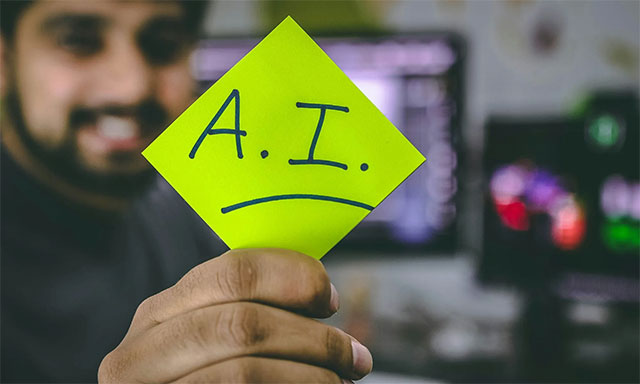
While the USPTO has taken a stance, the story is certainly not over. Courts have already ruled that AI cannot be patented, but the 'gray area' – where AI does 80–90% of the work – is still unclear.
As AI becomes better at reasoning on its own and suggesting complex solutions, more lawsuits are sure to emerge. The big question over the next few years will be: does the definition of 'tool' still apply, or will patent law need to change to recognize a form of machine creativity?
Final Thoughts
Understanding ai can assist in inventing but not be recognized as an inventor makes it easier to evaluate the information and apply the most relevant recommendations. Focus on the key points above and verify details that may change over time.
FAQ
What is ai can assist in inventing but not be recognized as an inventor?
Explore AI can assist in inventing but not be recognized as an inventor.
What key points does this article cover?
The article explains the core concept, important considerations, and practical details readers should understand.
How can you use this information in practice?
Use the explanations to compare options, verify important details, and make a more informed decision. Apply the recommendations that best match your goals and situation.
Related Articles
 Summary of Some Ways to Fix USB Device Not Recognized on Windows9 minutes read
 How to Use Note Assist on Galaxy S24: Complete Guide4 minutes read
 6 Ways to Fix the Error of Not Recognizing SSD Drive in8 minutes read
 How to Turn Off Hold Assist Notification on iPhone3 minutes read
 How to Open the Quick Assist Tool in Windows 113 minutes read
 How to Turn Off Focus Assist Notifications on Windows 103 minutes read
Reader Comments 0
Sign in with email or Google to join the discussion.