Table of Contents
Explore which cutting-edge tech gadgets should you buy right now? which ones should.
Buy now: Any recent Google Pixel or Samsung Galaxy S phone!
Enjoy software support until 2032
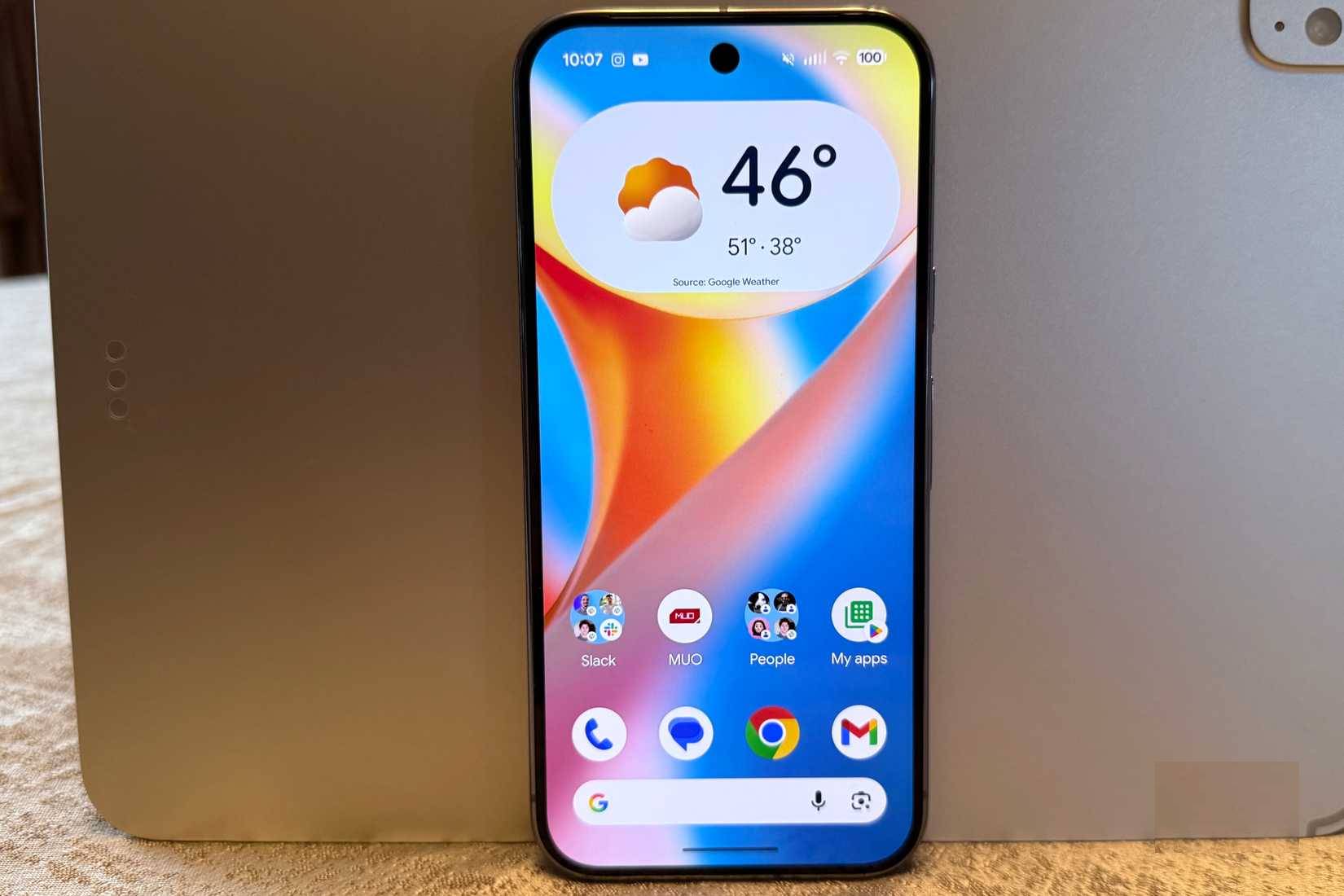
If you're planning on buying a new phone, purchasing a new Pixel 10 or any Samsung Galaxy S25 model (including the S25 Edge, which has been tested against the iPhone Air ) will guarantee you software updates for at least 7 years, as Google and Samsung have promised. In theory, that means 7 years of security updates and new Android versions, up to Android 23. Not only will that mean you get new software features and experiences, but choosing a new Pixel or Galaxy S also increases resale value.
Buy now: Any Apple computer with an Apple Silicon chip!
Performance + energy efficiency + high resale value
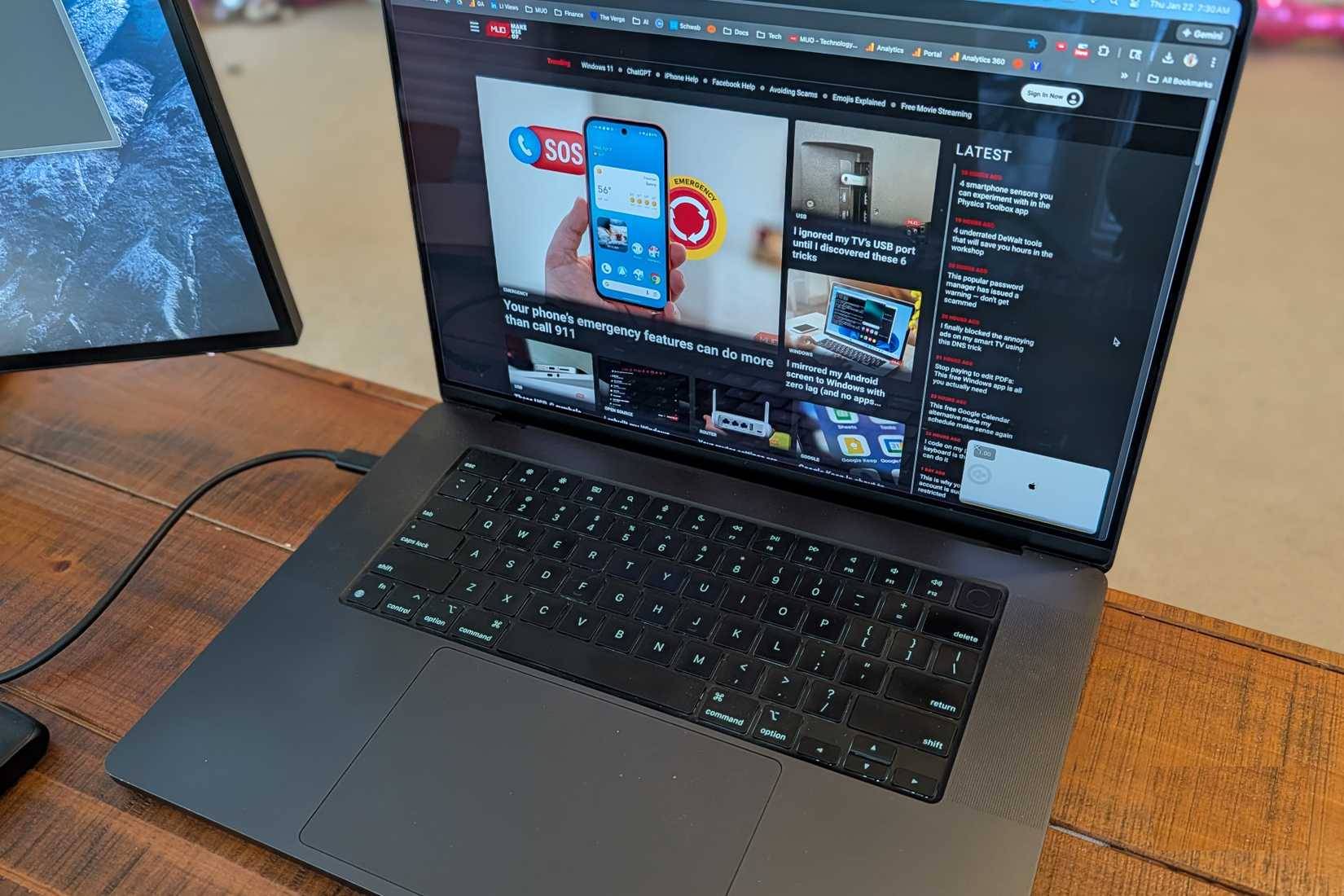
When Apple launched its first M-series processors in 2020, the response was overwhelmingly positive. Because Apple now controls the hardware, software, and silicon chips in its computers, it can optimize in ways no other manufacturer can. The performance and efficiency of the M-series chips have been outstanding. Best of all, choosing a computer with an Apple Silicon chip means you'll get at least seven years of software updates, plus the added benefit of very high resale value (like the latest Pixel and Galaxy S models, as mentioned above).
Just wait a little longer: AI devices!
It's too early to choose the best option
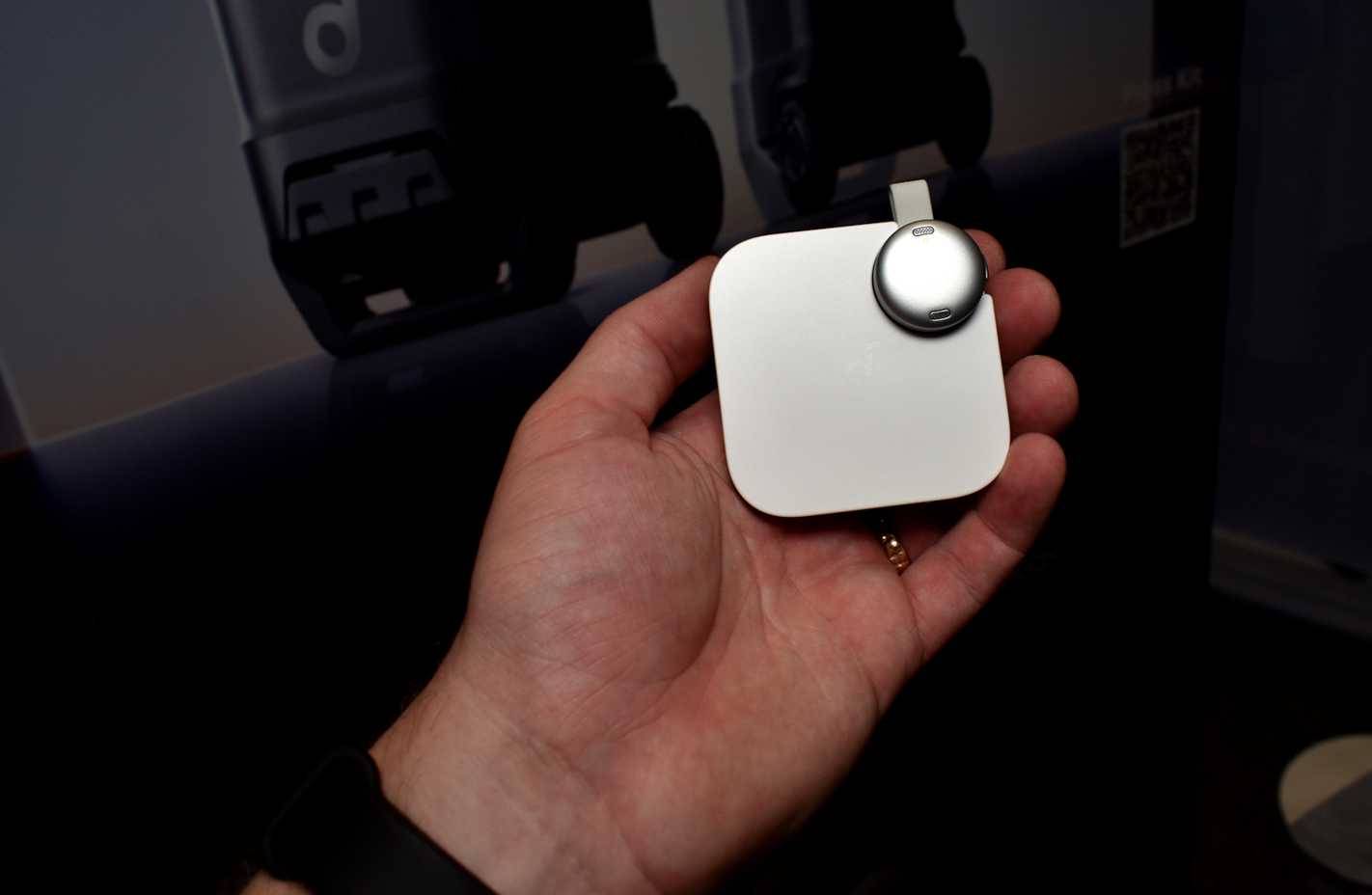
While AI is all the rage, don't rush to buy AI devices like the Humane AI Pin (now defunct) or the Rabbit R1, both of which have serious flaws and are touted as ushering in a screenless future with ubiquitous AI.
These early AI devices were simply worse approaches to AI than using a regular phone. They had poor battery life, frequently exhibited hallucinations, and were constrained by large language models (LLMs) that may or may not exist as the AI field matured – meaning you'd likely be left with a useless device if and when LLM technology changed. Not only that, these first-generation devices were expensive ($700 for the Humane AI Pin and $200 for the R1) and required monthly subscriptions or dedicated SIM cards and data plans for access.
However, that trend is changing. Devices like the Plaud Note and Soundcore Work, which we saw at IFA 2025, provide a clearer picture of the future of AI devices.
Just wait a little longer: 8K TVs!
The content is not currently available and will not be available for many years
Streaming 8K, with its ultra-high resolution of 7680 x 4320 pixels, is equivalent to 33 million pixels of data. That's four times the resolution of 4K, and it requires an internet connection of at least 100mbps to function because you'll be streaming 20-30GB of data per hour. So, except for YouTube (with its relatively small 8K content library, mostly birds and rivers), we're still years away from 8K content on Netflix or any other streaming platform. While it's possible to buy an 8K TV today, you'll pay almost 50% more, and you'll only get a very high-quality screen but virtually no content. So, don't buy an 8K TV right now unless you want to enjoy birdwatching videos on YouTube.
Just wait a little longer: Foldable phones!
Prices will drop significantly when Apple enters the market at the end of 2026
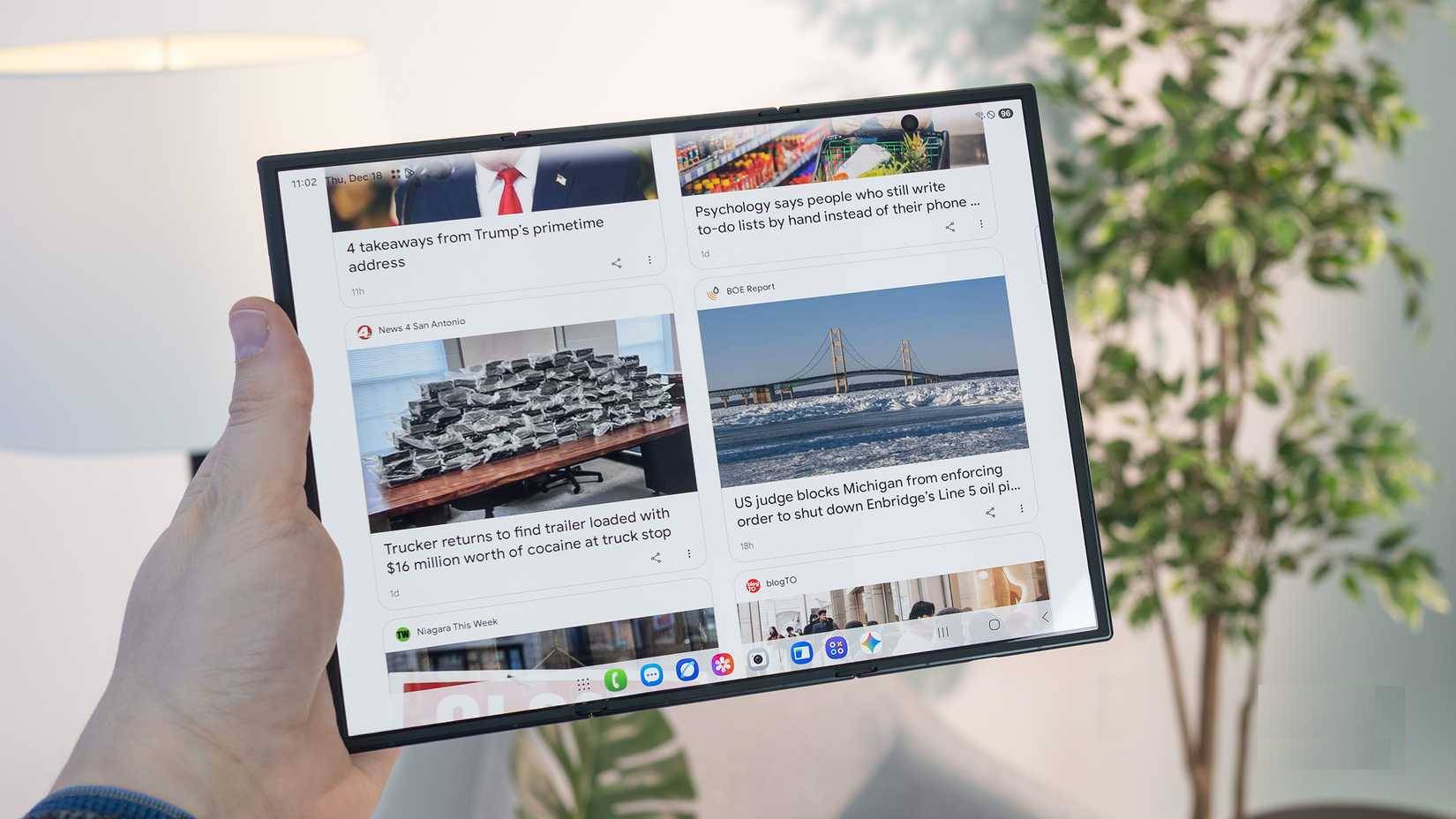
If you already own a foldable phone, you're probably quite happy with it. Foldable phones offer incredible versatility and are finally thin and light enough to feel like a regular phone when folded, and as spacious as a tablet when unfolded.
But if you're planning on buying a new foldable phone, you'd better wait. Apple is expected to announce its first foldable phone by the end of 2026. And we all know that when Apple does something (although Samsung has been making great foldable phones for the past 7 years), the competition will intensify and prices will drop.
Foldable phones are still very expensive (not to mention the Samsung Trifold, which is priced like a laptop and is expected to launch at CES 2026), and while it's still years before we see foldable phone prices drop to the level of a regular high-end phone, you'll likely see prices fall from late 2026 to 2027 as demand and competition for this new form factor increase with Apple's entry into the game. So, for now, don't buy a foldable phone!
Final Thoughts
Understanding which cutting-edge tech gadgets should you buy right now? which ones should you wait for makes it easier to evaluate the information and apply the most relevant recommendations. Focus on the key points above and verify details that may change over time.
FAQ
What is which cutting-edge tech gadgets should you buy right now? which ones should you wait for?
Explore which cutting-edge tech gadgets should you buy right now? which ones should.
What key points does this article cover?
The article focuses on Buy now: Any recent Google Pixel or Samsung Galaxy S phone!, Enjoy software support until 2032, Buy now: Any Apple computer with an Apple Silicon chip!, with practical explanations and examples.
How can you use this information in practice?
Use the explanations to compare options, verify important details, and make a more informed decision. Apply the recommendations that best match your goals and situation.
Related Articles
 5 Essential Tech Gadgets for Travel7 minutes read
 9 'Must-have' Tech Gadgets for Travel7 minutes read
 From ESIM to AI: Technology Makes Long Journeys More Comfortable and Safer9 minutes read
 Create Gadgets: Guide to Creating Gadgets in Windows 75 minutes read
 10 Must-Have Gadgets for the Modern Tech Enthusiast8 minutes read
 How to Remove Widgets Visible on the Edge Toolbar3 minutes read
Reader Comments 0
Sign in with email or Google to join the discussion.