Table of Contents
This updated guide compares little tech habits that will help you focus better and highlights the details that matter most. Many people blame technology for their lack of focus—until they realize the problem lies in how they use it. These 7 small habits will quietly reshape your habits and help you focus more than you ever thought possible.
- 7 Simple Tech Tweaks That Dramatically Improve Your Quality of Life
7. Turn Off Unnecessary Notifications
Every ping and buzz is a distraction. And you probably have dozens of apps installed on your phone. Allowing every app to send notifications means there's a constant stream of pings from apps that do not really need your attention.
Every few minutes, a notification flashes on your screen, each one pulling you away from whatever you're doing, even if only for a second. Eventually, you realize that these little distractions are adding up, distracting you and making it harder to focus.
To solve this problem, take a comprehensive look at your notification settings. For each app, ask yourself: Do I need this app to notify me in real time? If not, turn off notifications for that app.
Now, only the essential notifications appear—text messages, calls, calendar alerts, and maybe a few finance and work-related apps. This small change makes a big difference. Without constant interruptions, you can focus and stay focused for longer.
6. Take Advantage of Focus Mode and Do Not Disturb
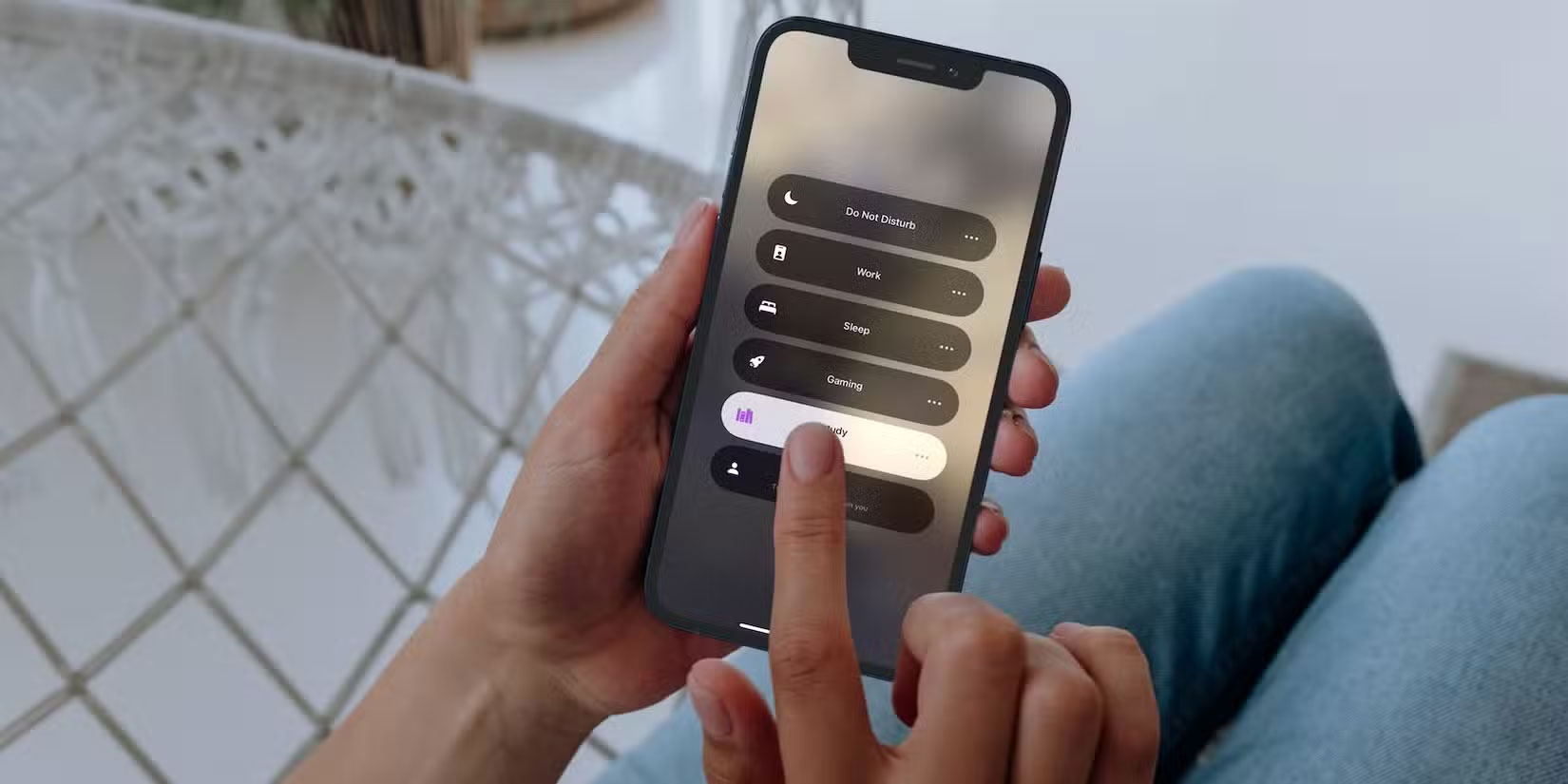
One of the most underrated features of modern devices is the ability to customize which contacts and apps can interrupt you and when. If you're not using Focus mode (iPhone) or Do Not Disturb (Android), you're missing out on one of the best tools for deep work. Even if you turn off notifications from non-essential apps, you'll still find yourself constantly interrupted.
Now set up Focus modes for different times of the day—programming, writing, and relaxing. Each mode mutes all apps except a few you specify and hides distracting notifications. It also limits who can reach you via phone call and restricts which home screens are visible. If you're looking for a reason to set up Focus mode on your iPhone, look no further.
Set a schedule for when the different Focus modes are activated, making them automatic. The great thing about this habit is that it trains both your brain and your environment to support focus.
When Focus mode is activated, it is like flipping a mental switch - it signals to you that it is time to focus. Over time, that consistency will help you settle into work quickly and stay there longer.
5. Play Background Music
Silence is the ultimate productivity hack, but the right background music can do wonders for concentration. Some genres help you focus more deeply, while others disrupt the process.
For tasks that require intense focus—like writing or programming—lean toward instrumental music, background noise, or lo-fi beats. These tracks create a non-distracting rhythm, allowing you to block out background noise and stabilize your state of focus.
No lyrics, no sudden changes - just a steady, soothing stream of sound that engages the mind without overwhelming it.
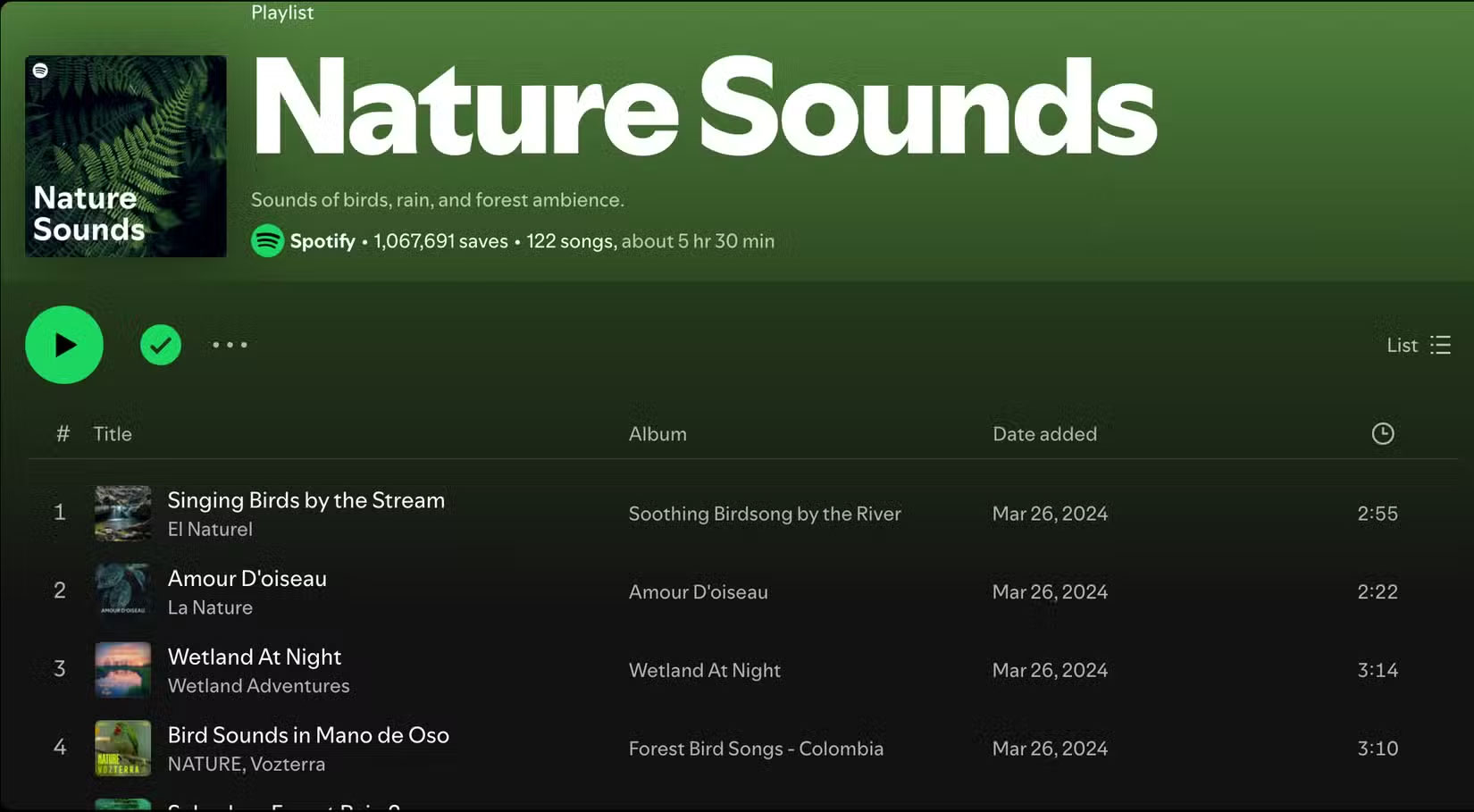
On the other hand, when doing more routine tasks, switch to something a little more upbeat but still relaxing enough to keep you calm. Background music has become an indispensable thing for many people.
Simply pressing play on a particular playlist signals to your brain that it is time to get to work. naturally, everyone's brain is a little different. Some people thrive on silence, others thrive on sound. Experiment to find what works best for you.
4. Set Clear Digital Boundaries
it is easy to let technology creep into every corner of your day—work messages creeping in during dinner, social media invading quiet moments, or emails demanding attention before you've had your morning coffee. Many people do not realize how much mental clutter this creates until they start setting clear digital boundaries.
One of the first changes is to designate 'no-phone zones' and 'no-scroll times.' for instance, even though you wake up at 5 a.m., do not check email before 2 p.m. or after 7 p.m. Instead, spend your mornings on tasks that require more effort. Avoid routine tasks that do not require full concentration, like checking email.
Also, keep your work and personal technology separate. That means using different browser profiles for work-related tasks and another profile for casual use. Keep your phone out of reach and sight during focus sessions, as adding a barrier helps you avoid the temptation to reach for your phone when you encounter a barrier.
These small changes create a clear boundary between work and rest. By creating this distinction, it is easier to check off your tasks, knowing that later, you'll have dedicated time to relax and do things you want to do, like check your social media feed.
3. Uninstall Distracting Apps
One of the boldest and most effective moves you can make to improve your ability to focus is to uninstall apps that drain your time and attention. it is not easy, but the difference is immediate once you get started. Willpower can only take you so far, so instead of relying on willpower alone, remove the source of distraction entirely.
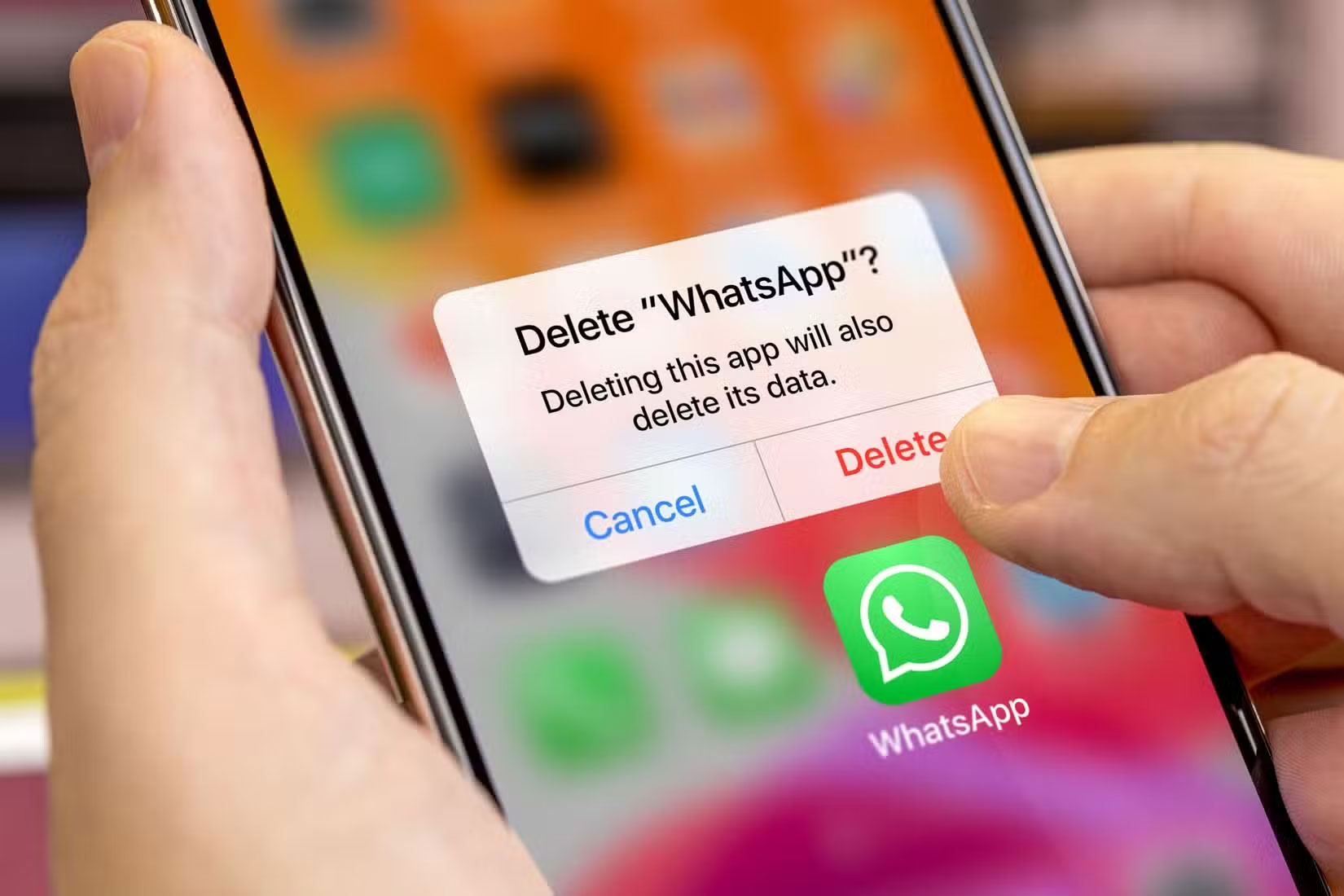
Start by identifying the biggest culprits. Many people find themselves opening apps like Instagram and X whenever they have a spare second or are stuck in whatever they're doing. Even when they're not in use, just having them on their phones creates temptation.
Uninstalling distracting apps helps you focus on the task at hand without feeling pulled into checking social media. If there's an app that is constantly pulling you away from what's important, try deleting it for a week. You'll be surprised at how much more focused you can be.
2. Enjoy Single - tasking
In today's world, it is common to want to get more done through multitasking. For years, people believed that multitasking was the ultimate productivity hack. You'd find yourself processing emails while listening to a podcast or watching the latest video from your favorite YouTuber while you worked. In doing so, you thought you were getting more done. In reality, you were dividing your attention.
Switching to single-tasking changed everything. Instead of trying to do five things at once, do one thing at a time. Whether it is writing an article, responding to a text message, or even just reading a document, you can now focus on one task before moving on to the next.
At first, you'll feel like you're slowing down, but over time, you'll start to see results: Your work improves, you make fewer mistakes, and you complete tasks more efficiently. Even better, you'll feel less exhausted at the end of the day. Doing one thing at a time motivates you, increases your focus, and helps you enter that elusive state of flow when everything clicks together.
1. Use the Pomodoro Technique
One of the few productivity techniques that works, the Pomodoro Technique has been a game changer. Before its discovery, many people's workdays were often endless, unfocused marathons. You'd sit down with the best of intentions, only to find yourself hours later with barely any progress on your to-do list. You weren't lazy, you just weren't managing your attention effectively.
The Pomodoro Technique helps you be more intentional with your time. it is simple: Work for 25 minutes, take a 5-minute break, and repeat. After 4 cycles, take a longer break. But for advanced users, set your focus time to an hour (or 90 minutes) with a 15-minute break.
Those hourly sprints force you to dive into a task without worrying about how long it will take. This structure not only improves productivity but also motivation. Knowing that a break is always just a few minutes away makes it easier to overcome resistance and stay on track.
Not every tip in someone's toolbox will work for you, so try them out to see what works and what does not.
FAQ
How were the little tech habits that will help you focus better options evaluated?
The comparison focuses on practical features, ease of use, limitations, compatibility, and the type of user each option is most likely to help.
Which option is best for beginners?
Beginners should prioritize a clear interface, useful documentation, reliable support, and the core features needed for their first project.
Should I choose a free or paid option?
Start with a free option when it covers your needs. A paid plan may be worthwhile when you need advanced tools, commercial rights, collaboration, or professional support.
Related Articles
 11 Bad Habits That Affect Health That We Need to Fix Right Away10 minutes read
 How to Use Your Phone's Focus Mode to Focus More on What You're Doing8 minutes read
 How to Use Firefox Focus: Private Browser6 minutes read
 Focus Friend Guide: Features, Uses, and Key Details6 minutes read
 Technology Habits: 10 Tech Habits You Should Have6 minutes read
 Focus Mode Is Ready with Many New Features Worth Experiencing3 minutes read
Reader Comments 0
Sign in with email or Google to join the discussion.