Table of Contents
A power bank is worth carrying when you use your phone for navigation, boarding passes or calls and may be away from a wall outlet. Match the bank to the phone and cable you already own. For occasional top-ups, a compact model is easier to carry than a high-capacity one.
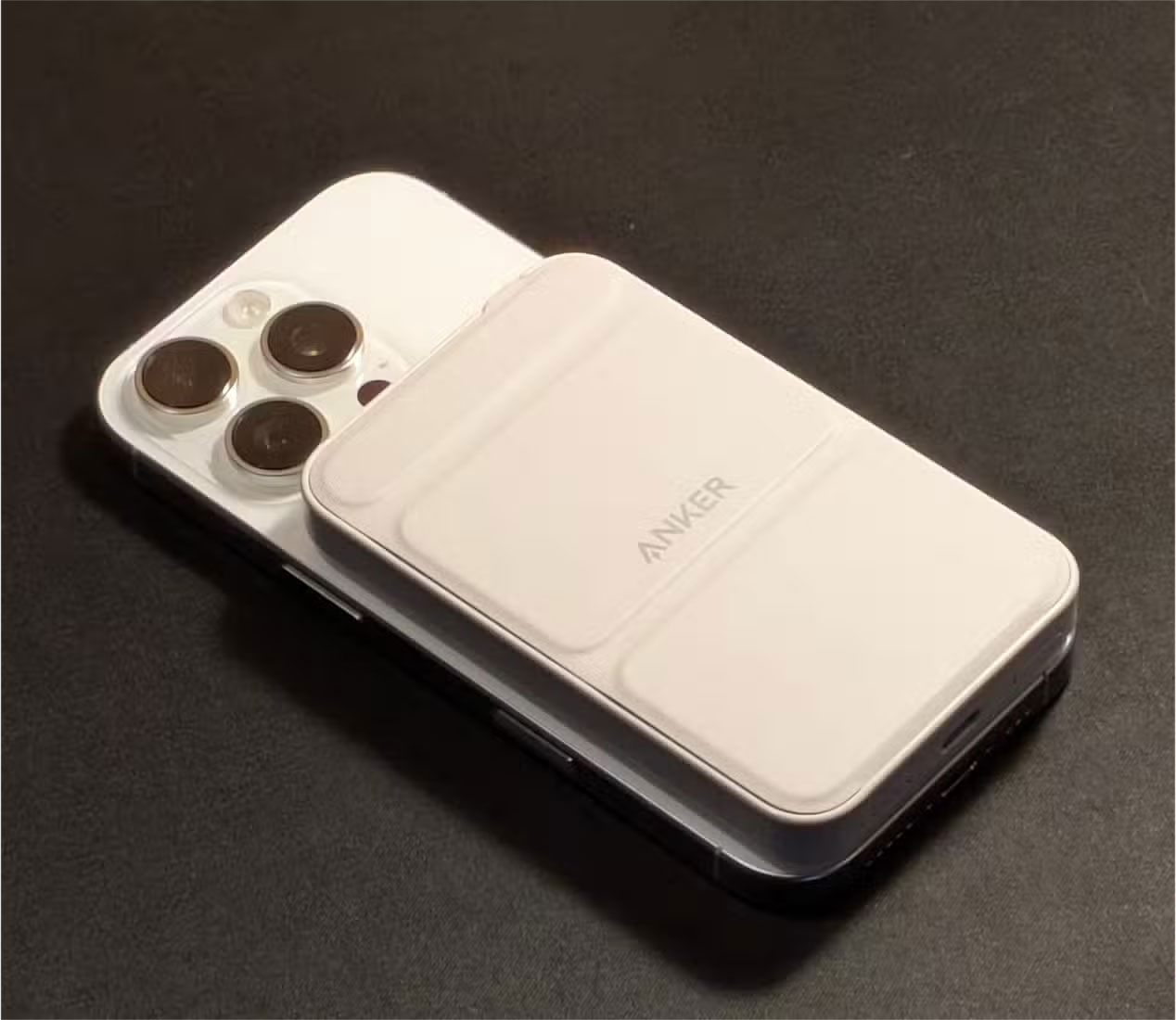
Decide when you need a backup
Think about how long you are away from power and what you use your phone for. Maps, photos and mobile data on a travel day can leave you with less charge than usual. Test the bank and cable at home before relying on them for a trip. Remember to recharge the power bank after using it.
Check capacity and charging speed separately
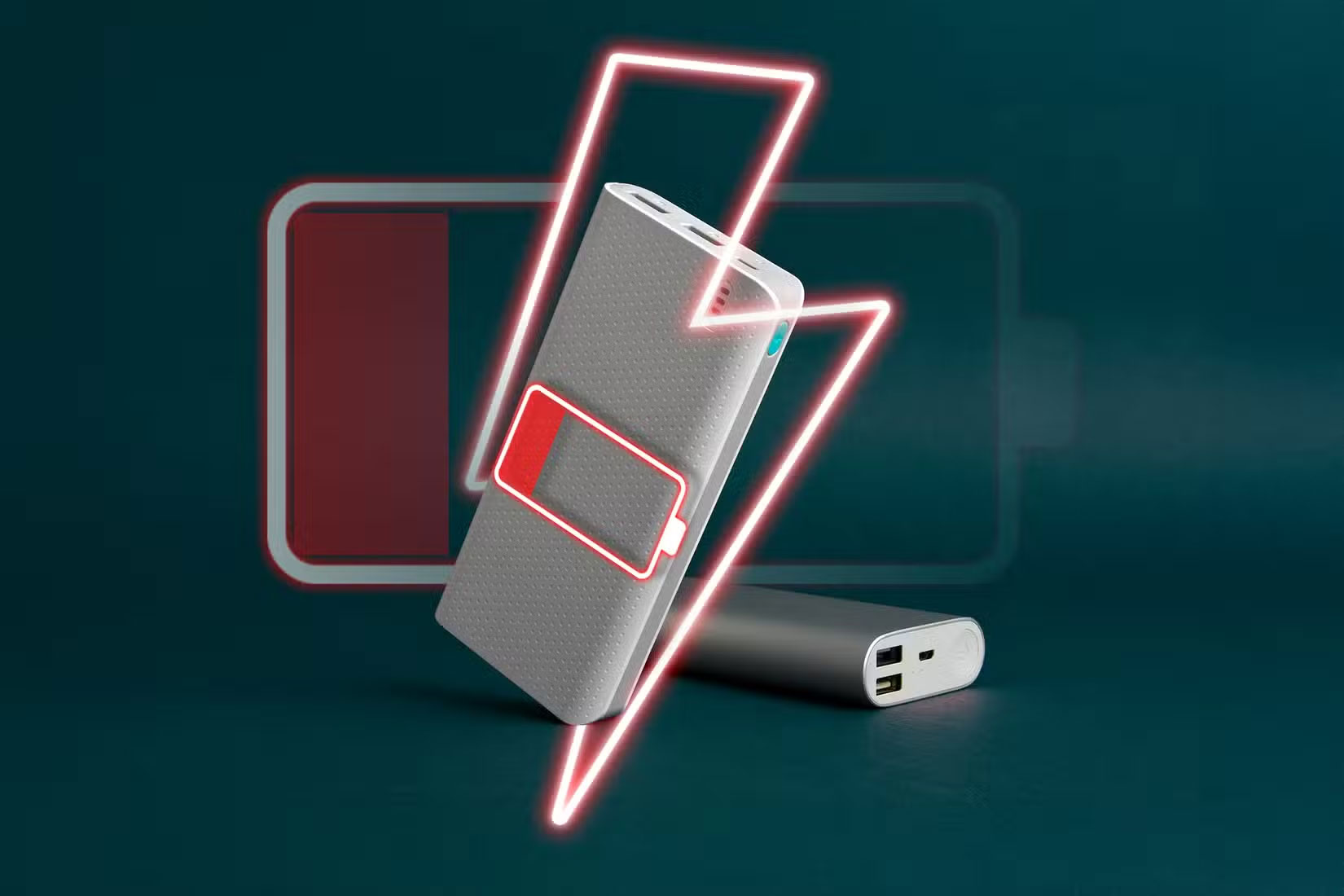
Capacity tells you how much energy the bank stores. Output wattage tells you how quickly it can supply power to a compatible device. You cannot divide the label’s milliamp-hour rating by your phone’s battery rating and expect that number of full charges. The ratings may refer to different voltages, and conversion uses some of the stored energy.
Check that a USB-C port is labeled as an output, and match the phone’s charging standard and the cable’s rating. If you charge two devices at once, check whether they share the rated power. See how to use your phone’s USB-C port.
Check carry-on rules if you fly
The U.S. FAA requires power banks in carry-on baggage. It generally allows up to 100 Wh without airline approval. Check your airline and route for any stricter limits or rules on using a power bank in flight. Look for a legible watt-hour rating on the unit.
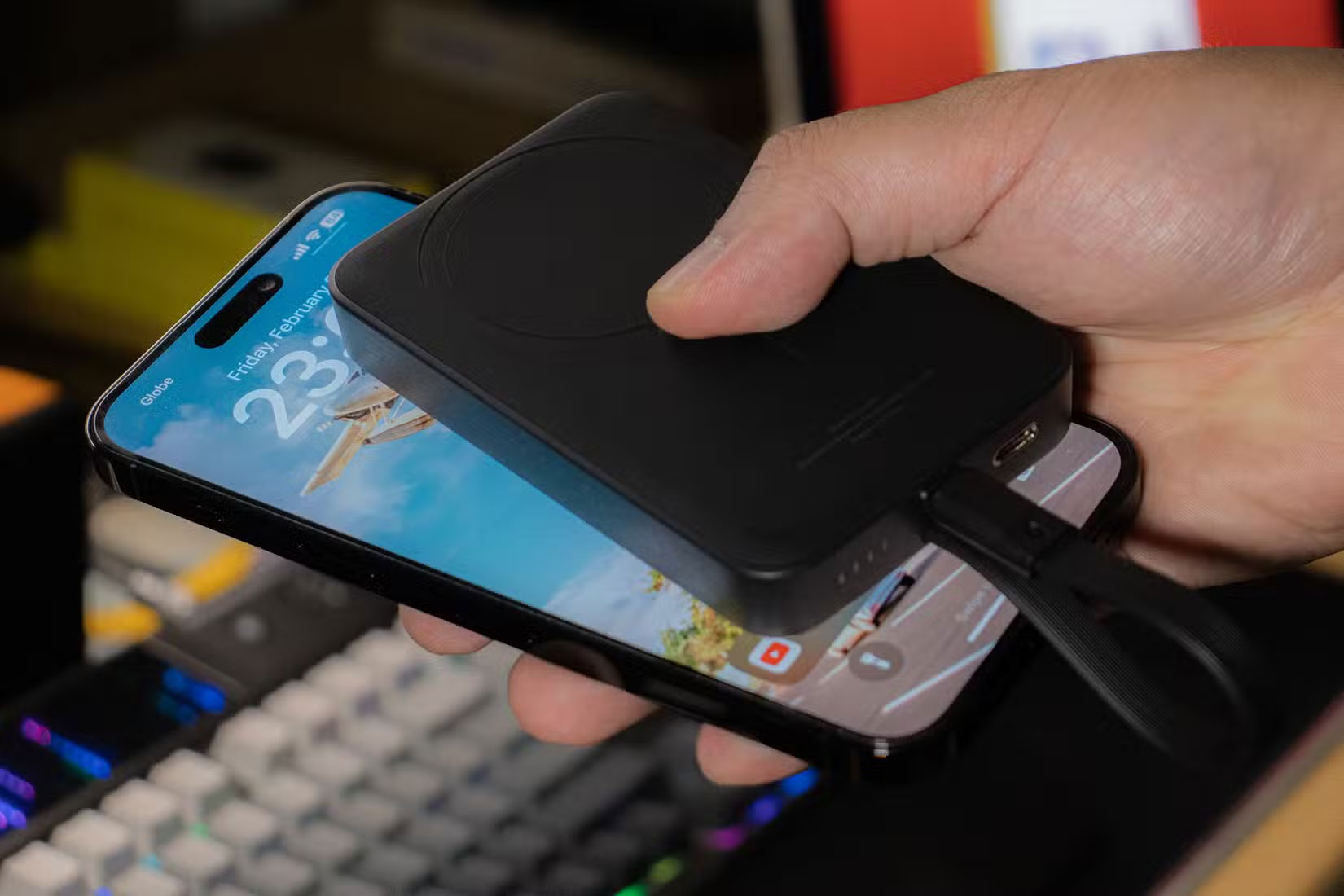
Consider how you will charge away from home
A power bank lets you charge without plugging into an unfamiliar public USB port. When you have a wall outlet, your own AC adapter and cable are another option. Retire a power bank that is swollen, damaged or overheating and follow local battery disposal guidance.
Related Articles
 Top 16 best backup chargers 2019
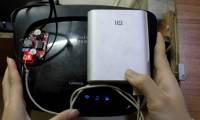 Power failure still surfs the face roaring thanks to homemade backup charger for Modem
 Cause backup battery charger explodes, causes fire and prevention
 How to choose to buy standard backup charger for iPhone
 Tips to fix the errors from the backup battery charger
 6 things that make backup chargers not last long
Reader Comments 0
Sign in with email or Google to join the discussion.