Table of Contents
Explore 5 cpus too old for gaming in 2025 (and why you should upgrade now).
If you're still using one of these 'ancient' CPUs, it might be time to think about upgrading.
AMD Zen 1 – The first generation of Ryzen is overdue
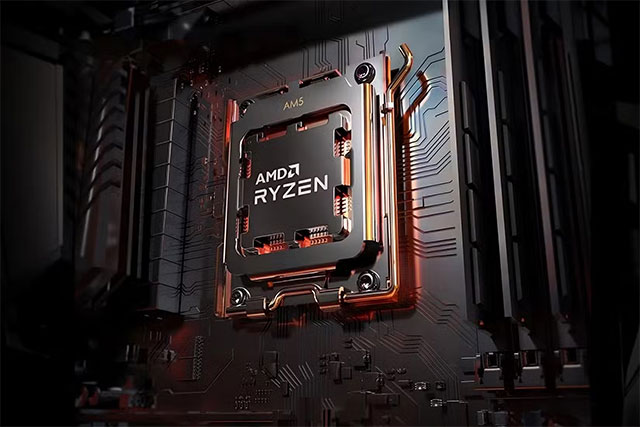
The first generation of Ryzen chips seems like yesterday, but they've actually been around since 2017. Zen 1 marked a strong comeback for AMD after years of being on the back foot, but the performance and features of this generation were far surpassed by the newer Zen architectures.
In particular, APUs with only 8 PCIe lanes for the GPU, like the Ryzen 3 2200G, cause a noticeable bottleneck when you upgrade your graphics card.
While Zen 1 still handles simple tasks like web browsing, there's no reason to hold on when AM4 has so many cheap, yet much more powerful upgrade options. Note that not all AM4 motherboards support all CPUs, so check the compatibility list and update your BIOS before swapping CPUs.
Even if you can't step up to the Ryzen 7 5700X3D, options like the Ryzen 5 3600 or Ryzen 7 2700X are still a huge leap over Zen 1.
Intel Core i5-6600K – The legendary Skylake is now behind
Before Ryzen, Skylake ruled the roost. The Core i5-6600K, with its 3.9GHz overclock and boost clock, was the CPU of choice for gamers. But its weakness was its 4 cores/4 threads—no longer enough to handle modern games that require a minimum of 6–8 cores.
Launched in 2015, the i5-6600K is now very old. If you want to improve performance without rebuilding your entire system, your only reasonable choice is the older i7-6700K—which is significantly more powerful and has 4 more threads.
Intel Core i5-4460 – Too old, too slow and no longer secure
Also 4 cores 4 threads like 6600K but i5-4460 is inferior in every way: older architecture, lower clock speed and cannot be overclocked. Sold in 2014, this chip is now only suitable for super cheap PCs under 200-300 USD.
You can upgrade to the i7-4790K, but the price is often unreasonable and the performance is no longer competitive. Worse, Intel stopped software support for Haswell in 2021, meaning you won't get new security patches. With a mid-range or higher GPU, this chip will definitely be a serious bottleneck.
Intel Core i7-2600K – The Sandy Bridge legend has come to retirement
When it was new, the i7-2600K (2011) was a top-of-the-line CPU, extremely popular among gamers and creators. But despite having 4 cores / 8 threads, it used a very old architecture and was manufactured on a 32nm process—no match for any modern CPU.
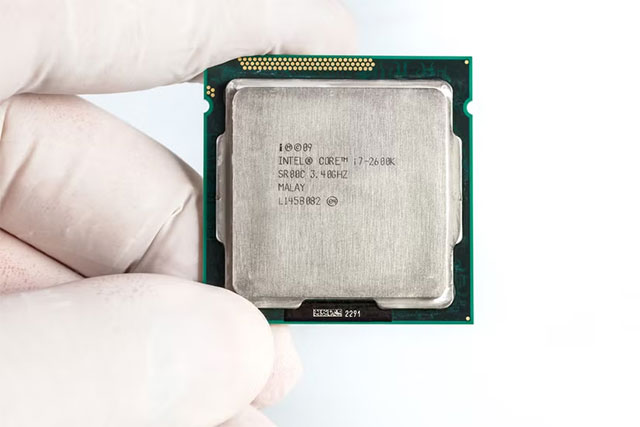
The i7-2600K and DDR3 RAM combo is now completely inadequate to run modern games: constant microstutter, slow resource loading, low FPS. Intel also stopped supporting it at the end of 2019. Even eSports or indie games can be slowed down by this CPU.
AMD FX-8350 – 8 cores 'on paper', real-world performance is too low
Before Ryzen, AMD was struggling, and the FX-8350 was the most popular choice. It had 8 cores, 4.0GHz base, 4.2GHz boost, and was overclockable. But it all looked good on paper.
The Piledriver architecture delivers low single-core performance, weak IPC, high memory latency, up to 125W TDP, and a lot of heat. Regardless of the GPU it's paired with, the FX-8350 struggles to run modern games. To the point where a mid-range laptop today offers a better experience.
Intel Core 2 (Core 2 Duo / Quad) – The Golden Age is Long Gone
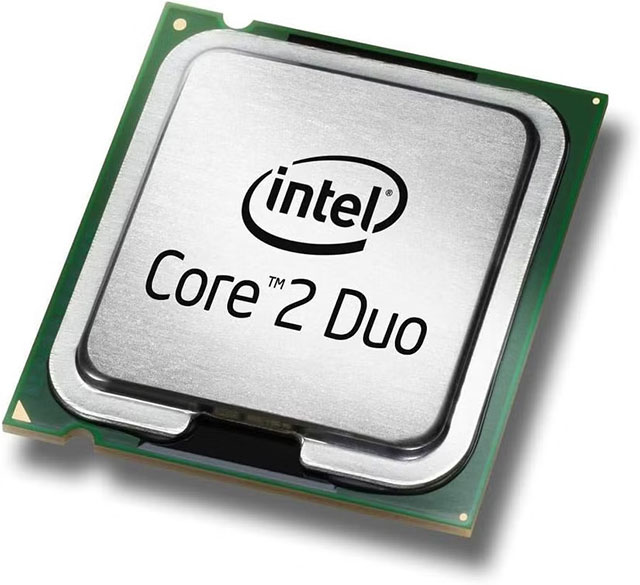
Many people used the Core 2 Quad Q6600 for its legendary overclocking tricks, but those days are long gone. These CPUs were introduced in 2006 and discontinued in 2012.
Performance is too low, security patches are no longer available, and are a serious risk if you still use them to connect to the internet. They should only exist on an offline retro machine to run old games.
If you're using an old CPU, it's time to upgrade
The CPUs on this list all have one thing in common: they're too slow, too old, and no longer supported. While they'll still run light tasks and some eSports games, they're not suitable for modern gaming.
A cheap CPU in 2025 will be miles more powerful than these chips, with full security and new features. Investing in a new CPU will completely transform your system.
Final Thoughts
Understanding 5 cpus too old for gaming in 2025 (and why you should upgrade now) makes it easier to evaluate the information and apply the most relevant recommendations. Focus on the key points above and verify details that may change over time.
FAQ
What is 5 cpus too old for gaming in 2025 (and why you should upgrade now)?
Explore 5 cpus too old for gaming in 2025 (and why you should upgrade now).
What key points does this article cover?
The article focuses on AMD Zen 1 – The first generation of Ryzen is overdue, Intel Core i5-6600K – The legendary Skylake is now behind, Intel Core i5-4460 – Too old, too slow and no longer secure, with practical explanations and examples.
How can you use this information in practice?
Use the explanations to compare options, verify important details, and make a more informed decision. Apply the recommendations that best match your goals and situation.
Related Articles
 Top Cheap Gaming CPUs Worth Buying in 2023: Main Insights9 minutes read
 A Few Notes When Upgrading for Computers6 minutes read
 8 Top Gaming Motherboards for Intel 12th and 13th Generation CPUs: Best Options8 minutes read
 Top 5 Best Amd Cpus 20196 minutes read
 Microsoft Announces Official Windows 11 Gaming PC Configurations for 20267 minutes read
 How to Fix Svchost.exe Error Permanently Using Multiple CPUs5 minutes read
Reader Comments 0
Sign in with email or Google to join the discussion.