Table of Contents
The shape, height, and curve of a keycap greatly affect the feel of your typing.
The shape, height, and curve of a keycap greatly affect the feel of your typing. Common keycap styles include OEM, Cherry, SA, XDA, DSA, and some variations like ASA, OSA. Each offers a different experience in terms of comfort, sound, and response speed.
Why keycap shape matters
The term 'keycap profile' refers to the shape, height, and curvature of the keycaps on a mechanical keyboard. Your hands come into direct contact with the keycaps, so even small changes in the angle or height of the key row can have a big impact on how you type.
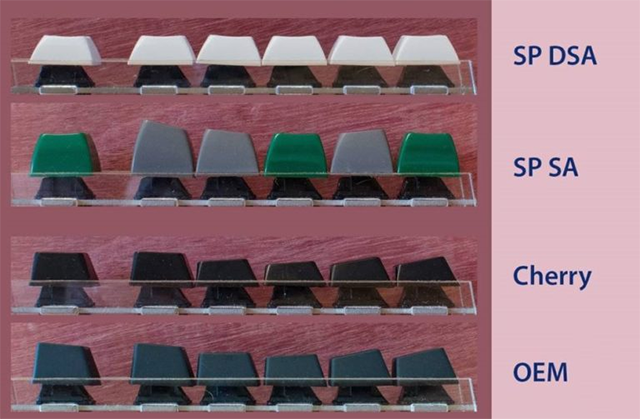
- OEM and Cherry : These are the two most popular styles. Both are 'sculpted' in rows (each row is different height and angle), allowing for a more natural hand position. Cherry is a little lower and is preferred by many for its comfort.
- SA: Higher, deep key tops, gives a 'retro' typing feel and thicker sound, but easily tiring without a wrist rest.
- XDA and DSA: Flat surface, the key rows are all the same height – like a laptop keyboard but higher. XDA has a slightly wider and flatter key surface.
Impact on typing and gaming
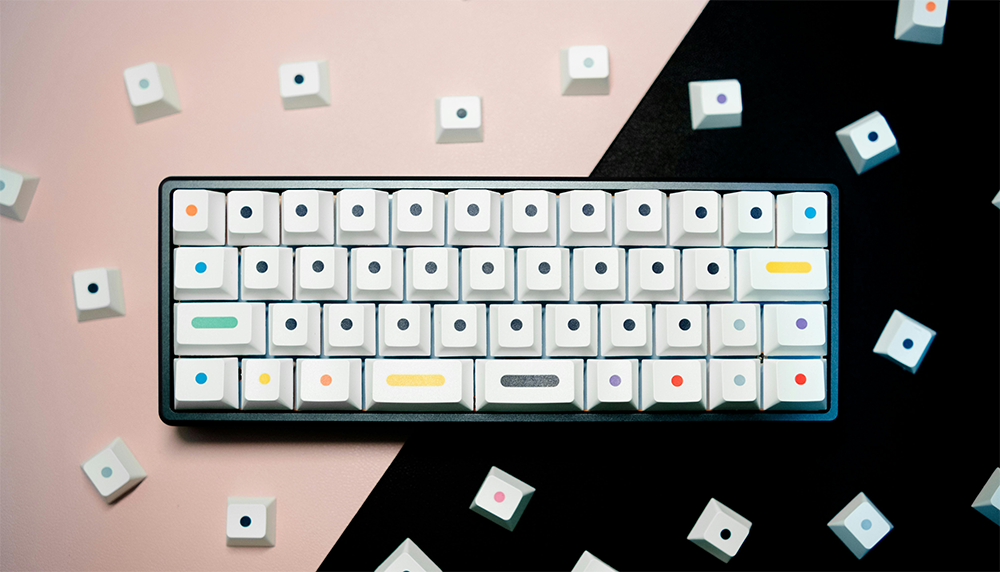
Keycaps with a 'sculpted' design make typing more natural, fast and accurate because the hand has less movement, which also makes gaming easier to control. In contrast, flat profiles like XDA, DSA feel uniform and neat, but can be tiring to type on for a long time and difficult to locate keys without looking.
About sound and pitch
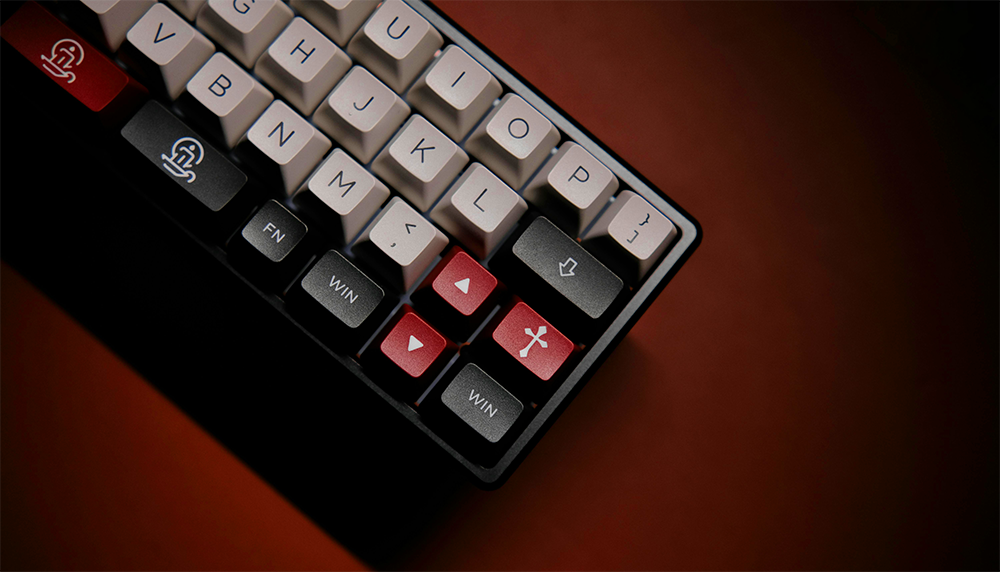
The higher the keycap, the 'thicker' and deeper the sound, however, high keycaps also make the wrist work harder, easily tiring if typing a lot. People who like the 'retro' feel often choose SA, while people who type for a long time often choose Cherry.
Choose the keycap that's right for you
Choosing keycaps is all about personal preference. You can try a variety of different types – most keycaps are compatible with standard MX shafts. Cheap PBT or ABS keycap sets, starting at just $10 to $40, are great for experimenting and changing your keyboard style.
If you find your keyboard uncomfortable, it may not be the switches that are to blame, but the shape of the keycaps themselves. Try changing profiles to find your ideal typing experience – comfortable, responsive, and to your liking.
FAQ
Why Is Keycap Shape So Important: Explained?
In practical terms, the shape, height, and curve of a keycap greatly affect the feel of your typing.
What factors are most important?
The article highlights that common keycap styles include OEM, Cherry, SA, XDA, DSA, and some variations like ASA, OSA.
What is the main takeaway?
The main takeaway is that why keycap shape matters The term 'keycap profile' refers to the shape, height, and curvature of the keycaps on a mechanical keyboard.
Related Articles
 Keycap Explained22 minutes read
 What Does Cherry MX Compatibility Mean?7 minutes read
 Flash CS4: Use Shape Hint5 minutes read
 How to Insert a Photo into a Shape in Photoshop10 minutes read
 Lesson 24: Working with Shapes: Word 20075 minutes read
 What Does the Body Shape Say About Your Health2 minutes read
Reader Comments 0
Sign in with email or Google to join the discussion.