Table of Contents
Not every device requires a monthly fee, but many connected products separate the hardware price from cloud storage, premium features, content, or supplies. To judge the real cost, identify what you own, which services are optional, and what stops working if you cancel.
The purchase price and the service price are different
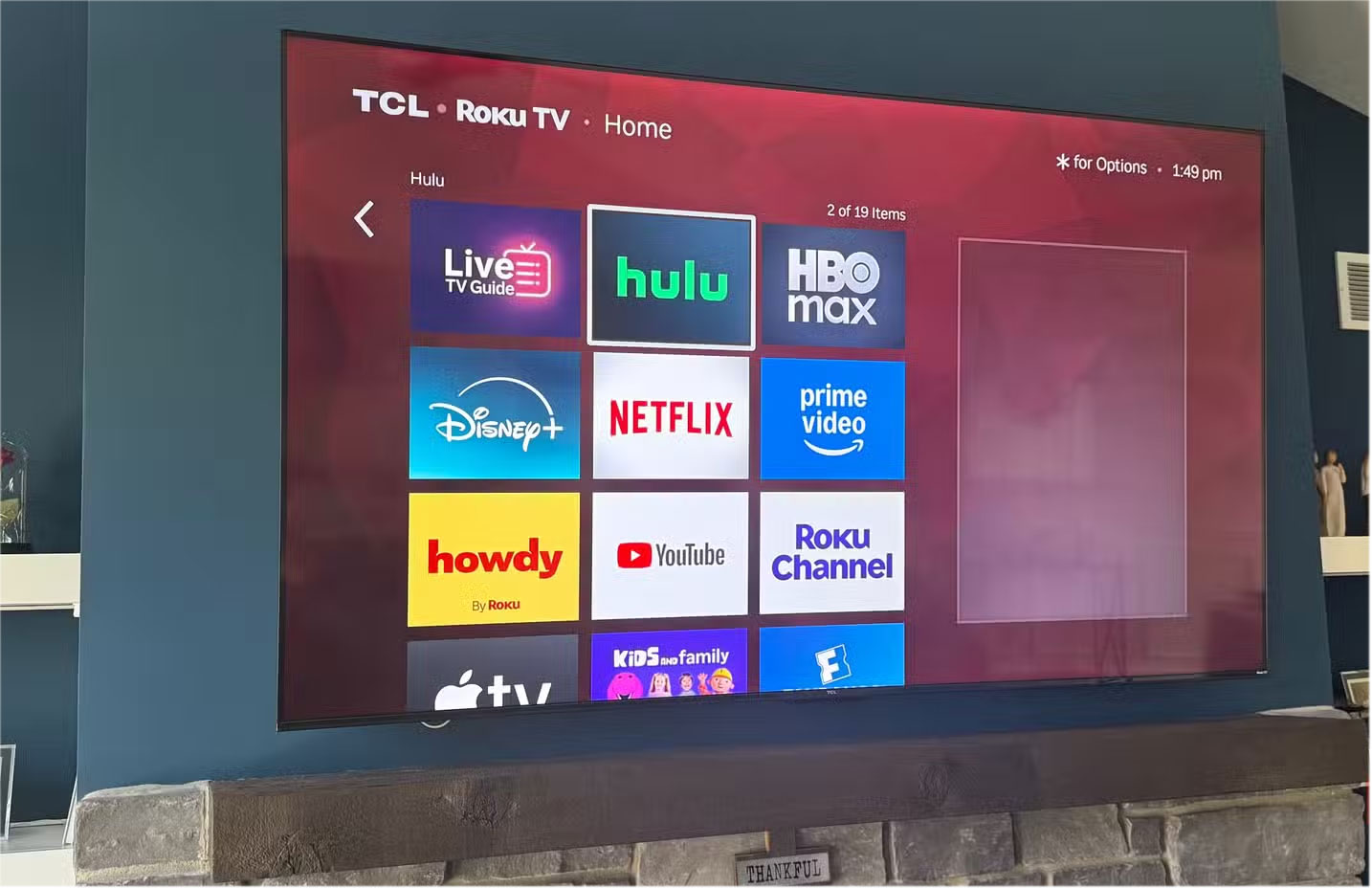
A television can display broadcasts, connected consoles, and supported local media without a streaming subscription. Paying for Netflix or another service buys access to a content catalog rather than unlocking the TV itself. That differs from a device feature that is already built into the hardware but requires a recurring payment.
Both affect your budget, but combining them into “every device charges a fee” hides the decision you actually need to make.
Connected devices can depend on paid cloud features
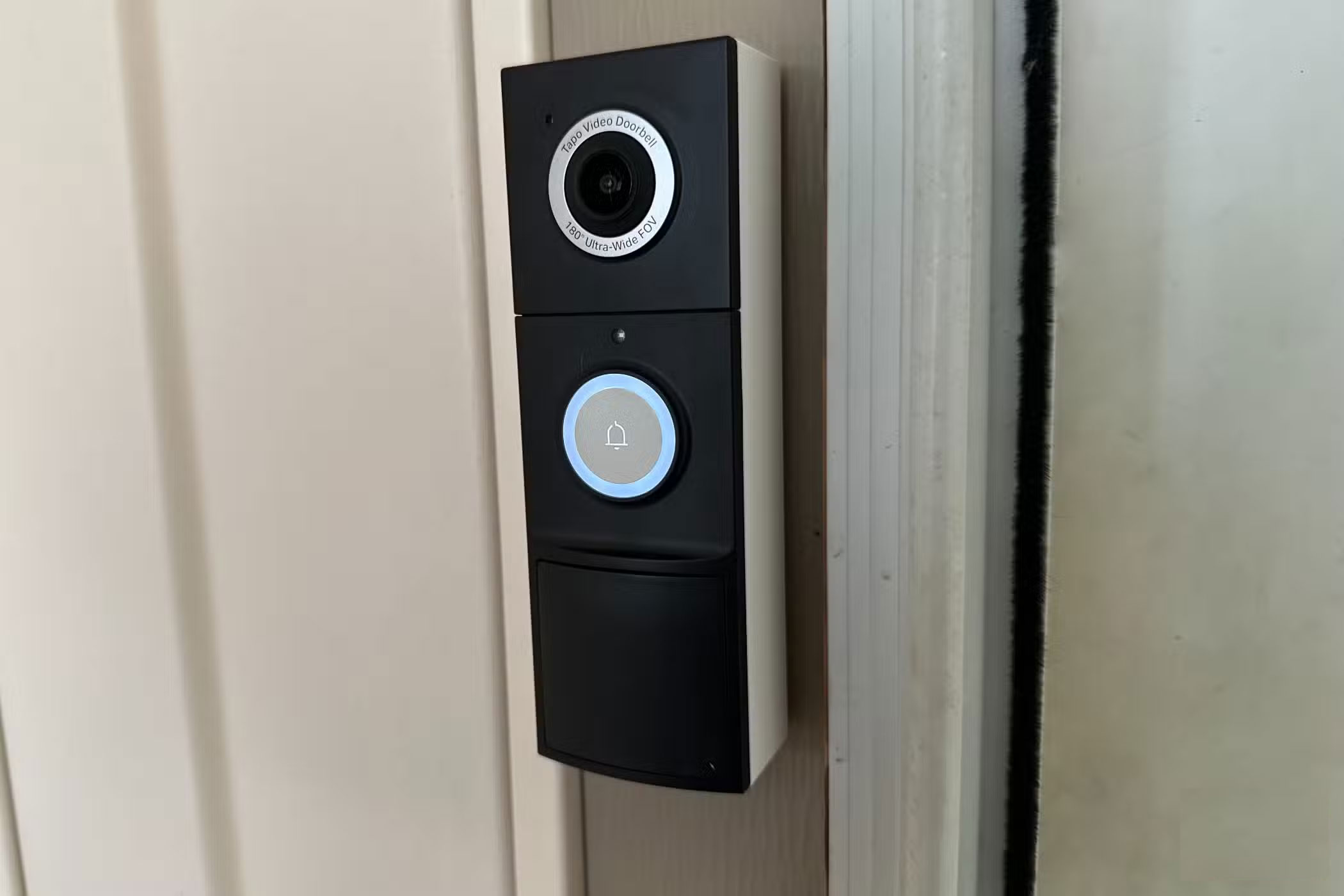
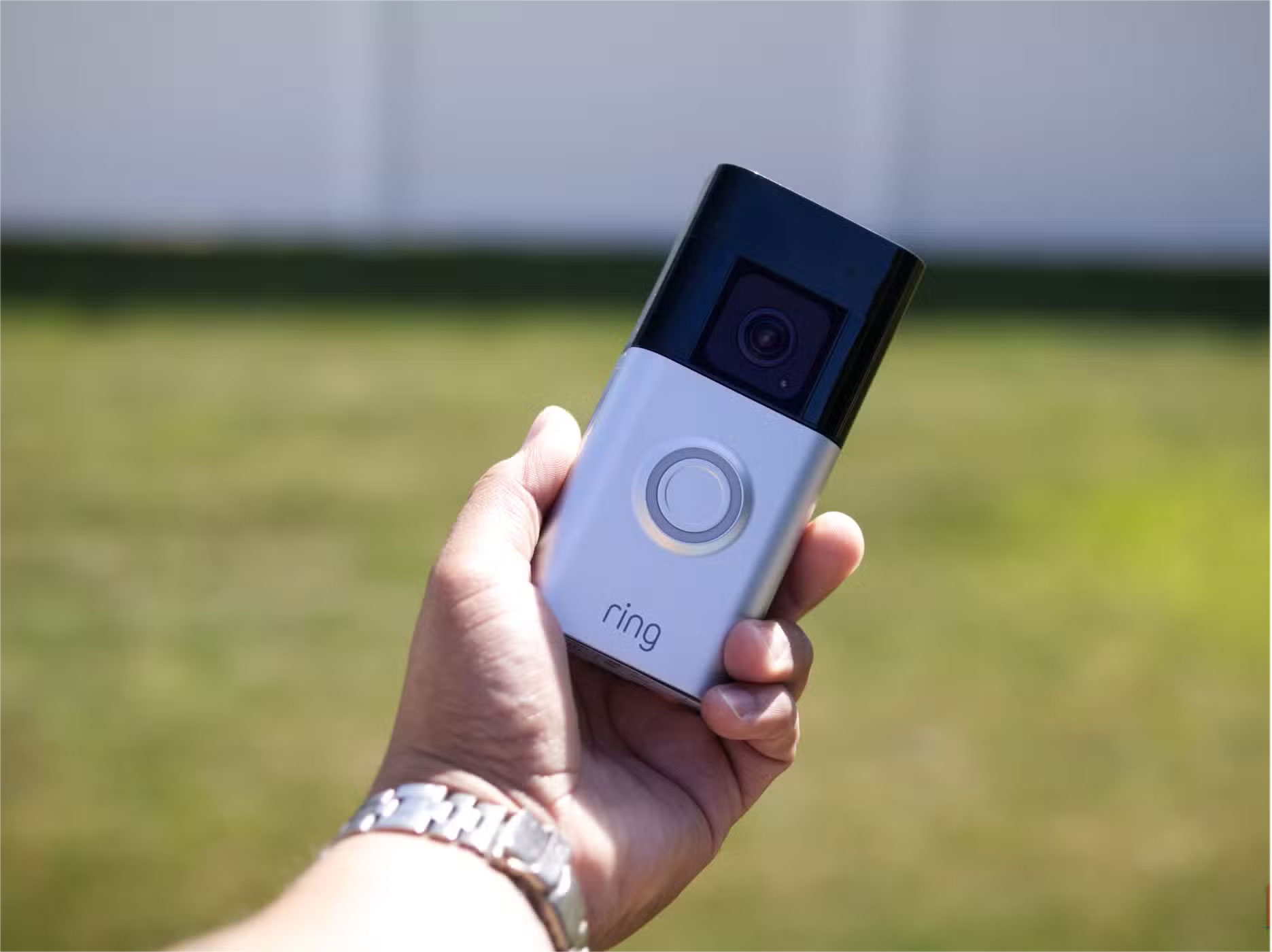
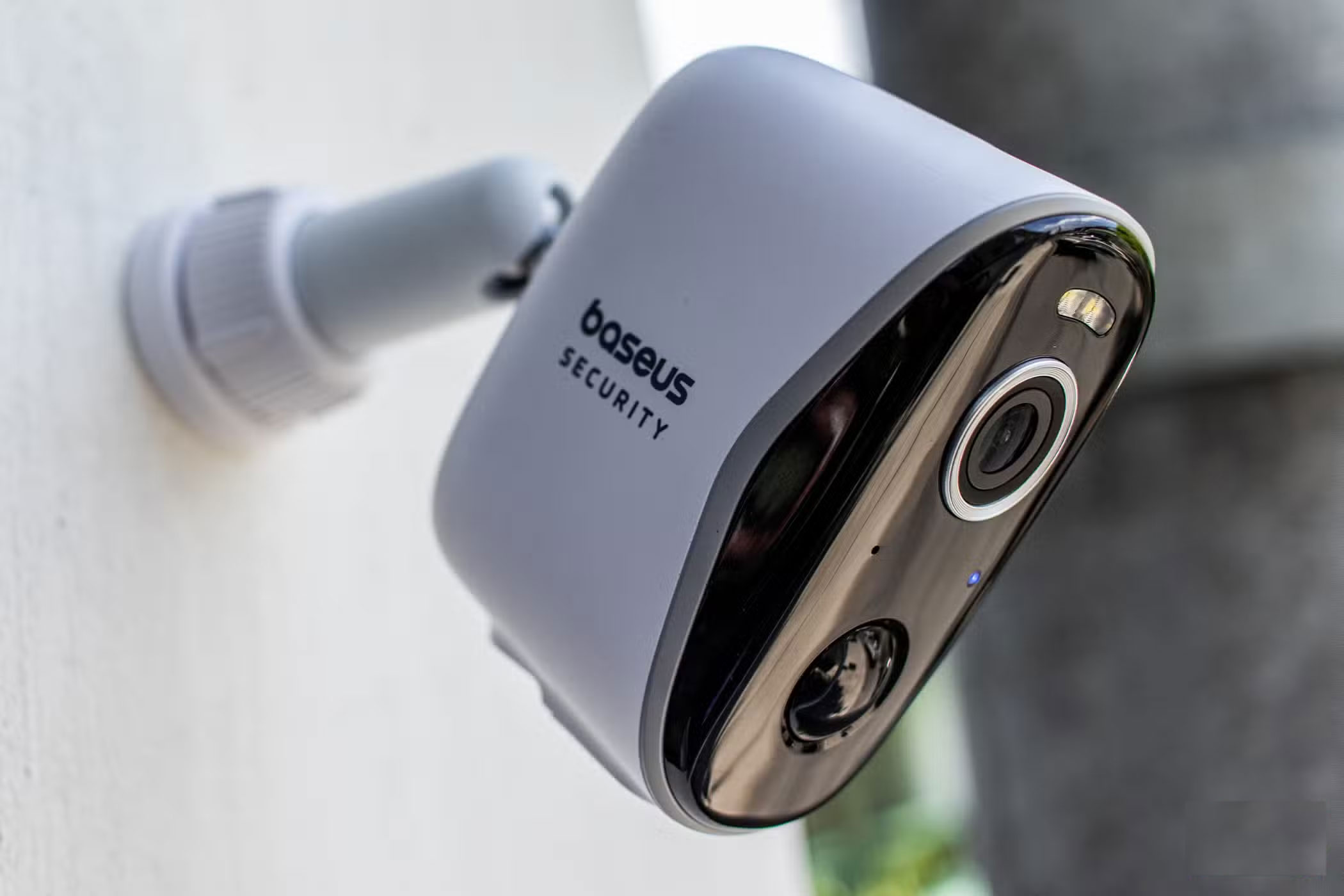
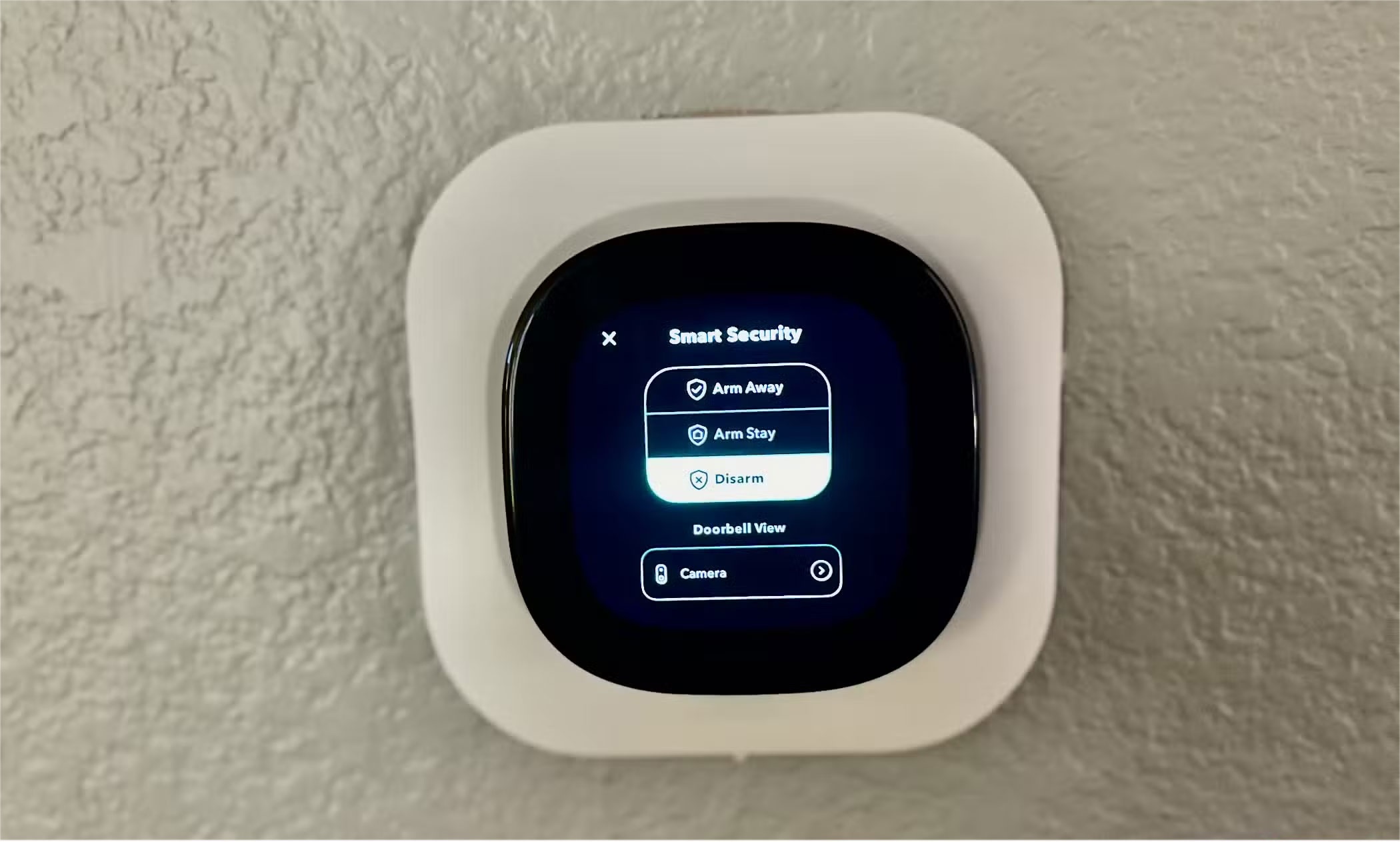
A security camera might include live view while charging for stored recordings or advanced event detection. Another model may record locally to a memory card or recorder. Before buying, check recording retention, remote access, alerts, and whether each requires an account or plan.
Local storage can reduce subscription dependence, but you still need to consider access, backup, and the risk that recordings disappear if the camera is stolen. For a concrete example of comparing storage options, see the Tapo C120 review; verify current model terms before purchase.
Supply subscriptions are another category

Ink, coffee, or replacement-head subscriptions can automate repeat purchases. They are not necessarily mandatory to operate the product, and their cancellation effects differ.
For example, HP’s Instant Ink cancellation guidance says subscription cartridges must be replaced with regular cartridges after the billing cycle ends to continue printing. That is different from saying cancellation permanently disables an owned printer. Check whether you are buying hardware, subscribing to supplies, or renting a device under a separate plan.
Why companies use subscriptions

Recurring payments can fund ongoing storage, computing, support, and service development. They also create predictable revenue and make it easier to sell extra features after the hardware purchase. A fee’s existence does not prove it is necessary or good value; evaluate the actual service provided.
Feature availability can change by model and market. Treat a discontinued experiment or an old monthly price as history rather than evidence that all current products follow the same model.
Calculate the cost before committing
- List the functions included without a subscription and after any trial ends.
- Add the plans, supplies, storage, and accessories you expect to need over your intended ownership period.
- Check renewal terms, cancellation, price-change provisions, and data export.
- Ask what works offline or if the manufacturer retires the service.
- Compare an alternative that provides the same essential function with fewer recurring dependencies.
As an illustrative calculation, a $5 monthly plan adds $180 over three years, before tax or price changes. Multiply that across several devices to see why small fees deserve attention.
Keeping an older device can also be an option when it remains supported and suitable; see ways to reuse an old Android phone. Choose subscriptions for a service you value, and assess the device’s usefulness without them before you buy.
Related Articles
 How to Create a Monthly Spending Tracker on Google Sheets
 Instructions for making devices turn on and turn off lights automatically when the light / dark is super simple with only 50,000 VND
 How to statistics monthly Spotify music listening
 How to Refinance an Auto Loan
 Instagram hits 3 billion monthly users
 How to save on your monthly internet bill
Reader Comments 0
Sign in with email or Google to join the discussion.