Table of Contents
Why Do People Still Use DSLR Cameras Even Though Smartphones Are Great is easier to approach with a clear overview and reliable steps. This guide organizes the essential information, highlights practical details, and explains what to check along the way.
Key Takeaways
- Review advantages of optical viewfinder.
- Explore wide lens compatibility.
- Understand wider third-party accessory support.
1. Advantages of Optical Viewfinder
One of the biggest advantages of using a DSLR over a smartphone is the optical viewfinder. While smartphones show you what you're shooting with many information and sometimes even apply filters or post-processing to the image, the optical viewfinder on a DSLR shows the image as the lens sees it. It's the most immediate and true-to-life view of what you're about to shoot.
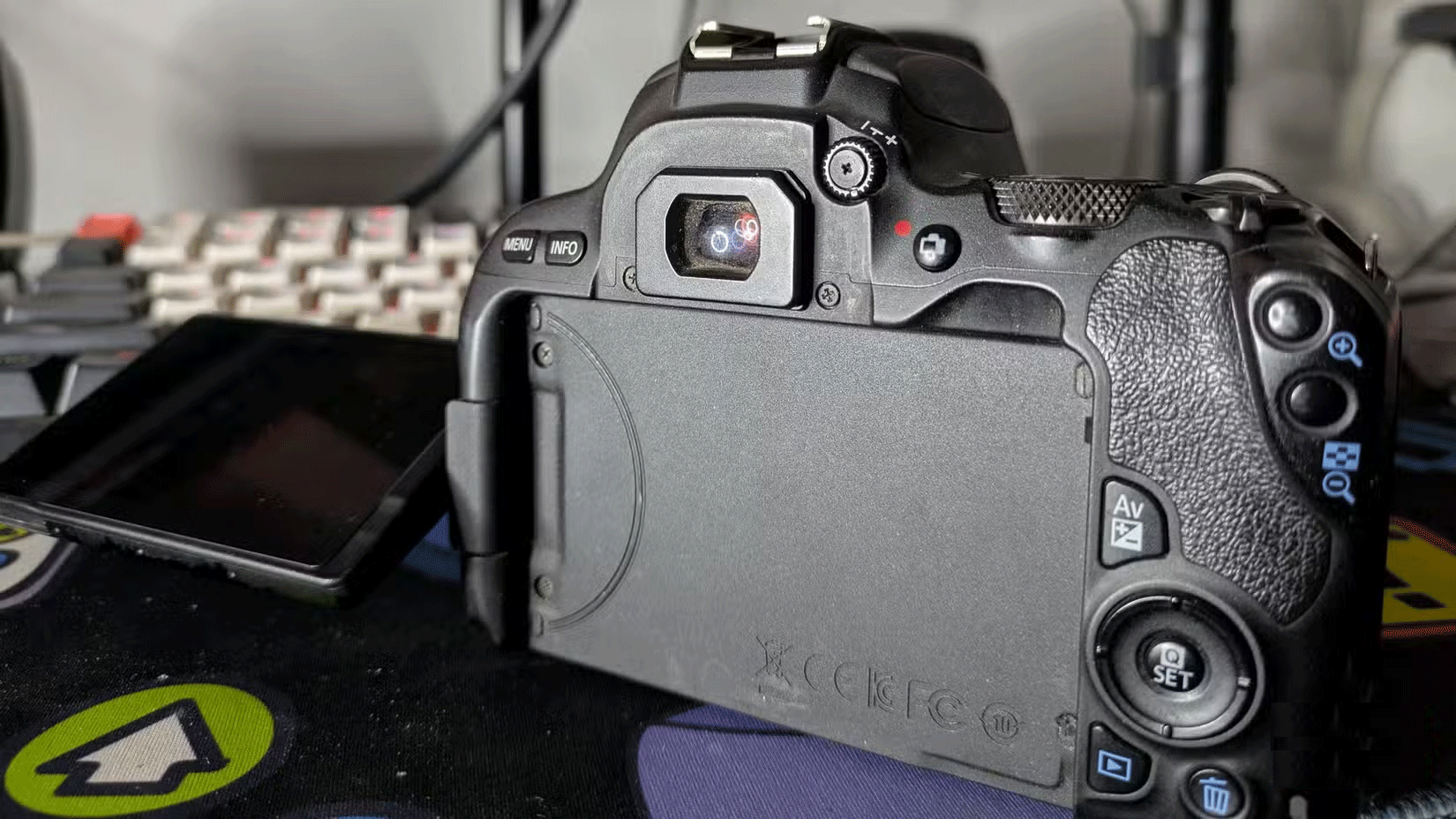
While it's certainly nice to have overlays on your images or know in advance what your ISO and other camera settings will look like, it can introduce lag into your images. That momentary lag can cost you a shot if you're shooting fast-moving subjects or sporting events. There are plenty of shots where a DSLR will outperform any smartphone.
Shooting through a viewfinder has other benefits, too. Holding the camera with both hands gives the camera body more support, which often results in steadier shots. Additionally, looking through the viewfinder allows you to focus all your attention on your subject and the frame.
There are other benefits to shooting through a viewfinder. Holding the camera with both hands gives the camera body more support, which often results in steadier shots. Additionally, looking through the viewfinder allows you to focus all your attention on your subject and the framing of your shot.
An optimal viewfinder can be so good that you may want to keep your DSLR even after upgrading to a mirrorless camera.
2. Wide Lens Compatibility
Whether you have a beginner DSLR from decades ago or a top-of-the-line Canon 1DX, there are hundreds of first- and third-party lenses you can choose from to change the look of your photos. With smartphones, you're pretty much limited to the lenses the manufacturer decides to put on the phone.
Switching lenses on your DSLR or even mirrorless camera can completely change the way you shoot.
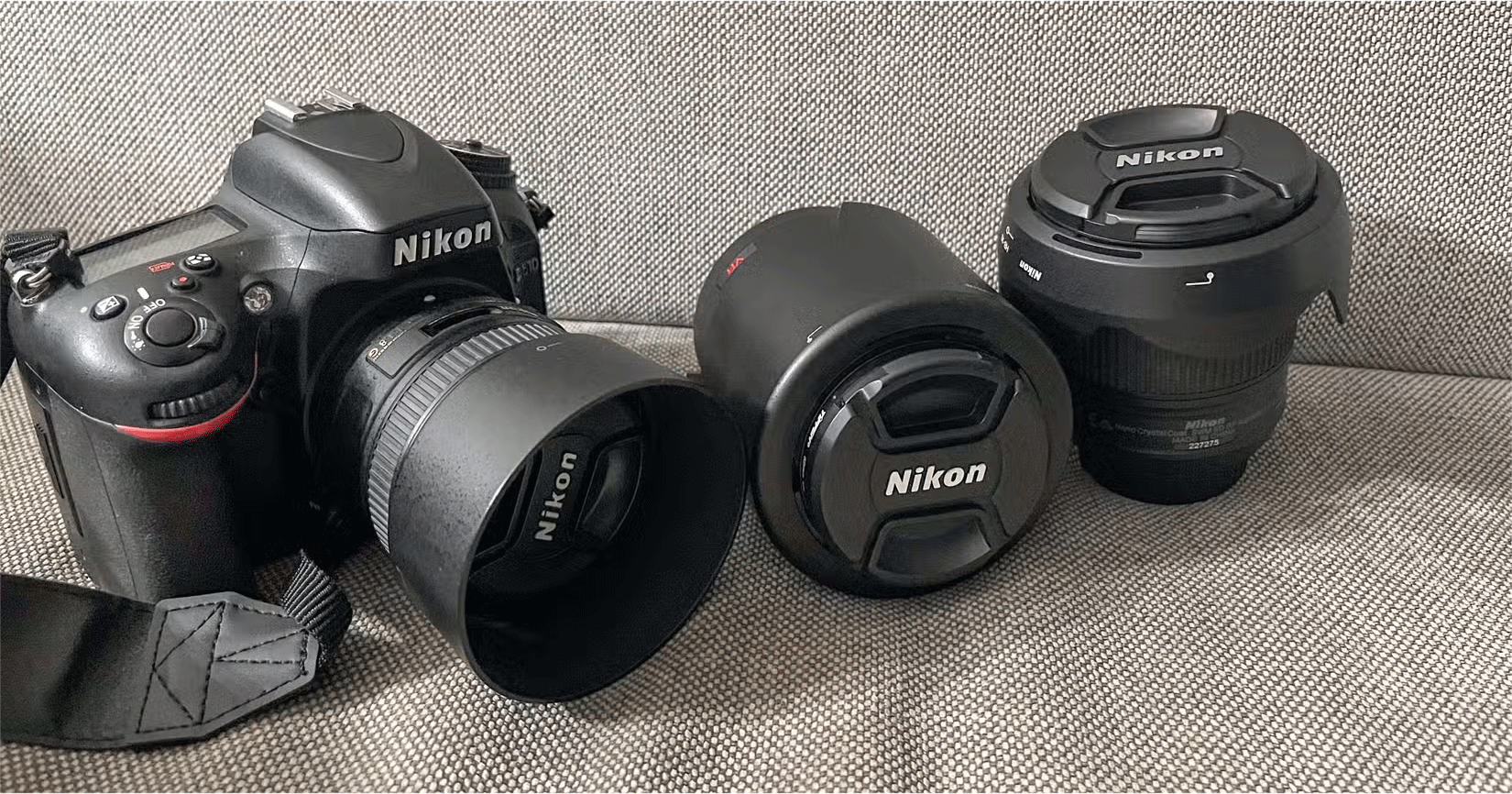
Want to shoot wildlife or night sky photography? Check out the official lenses available for DSLRs from many brands if you need a good all-rounder. There are plenty of wide-aperture telephoto lenses that will serve your needs well. And if the official Canon and Nikon lenses are too expensive for you, you can always opt for a cheaper third-party alternative.
For instance, the Yongnuo 50mm prime lens for the Canon 200D costs around $55, which is almost half the $113 price of the official Canon lens. The Yongnuo isn't as sharp as the Canon lens, and it has a fairly slow autofocus, but it's still an accessible option for learning how to handle shallow depth of field and working with prime lenses for 3 years of use.
3. Wider Third-party Accessory Support
Options for enhancing your DSLR camera aren't limited to lenses. Like any piece of older technology, you'll find a wide variety of third-party cases, covers, lenses, ND and UV filters, batteries, chargers, and more.
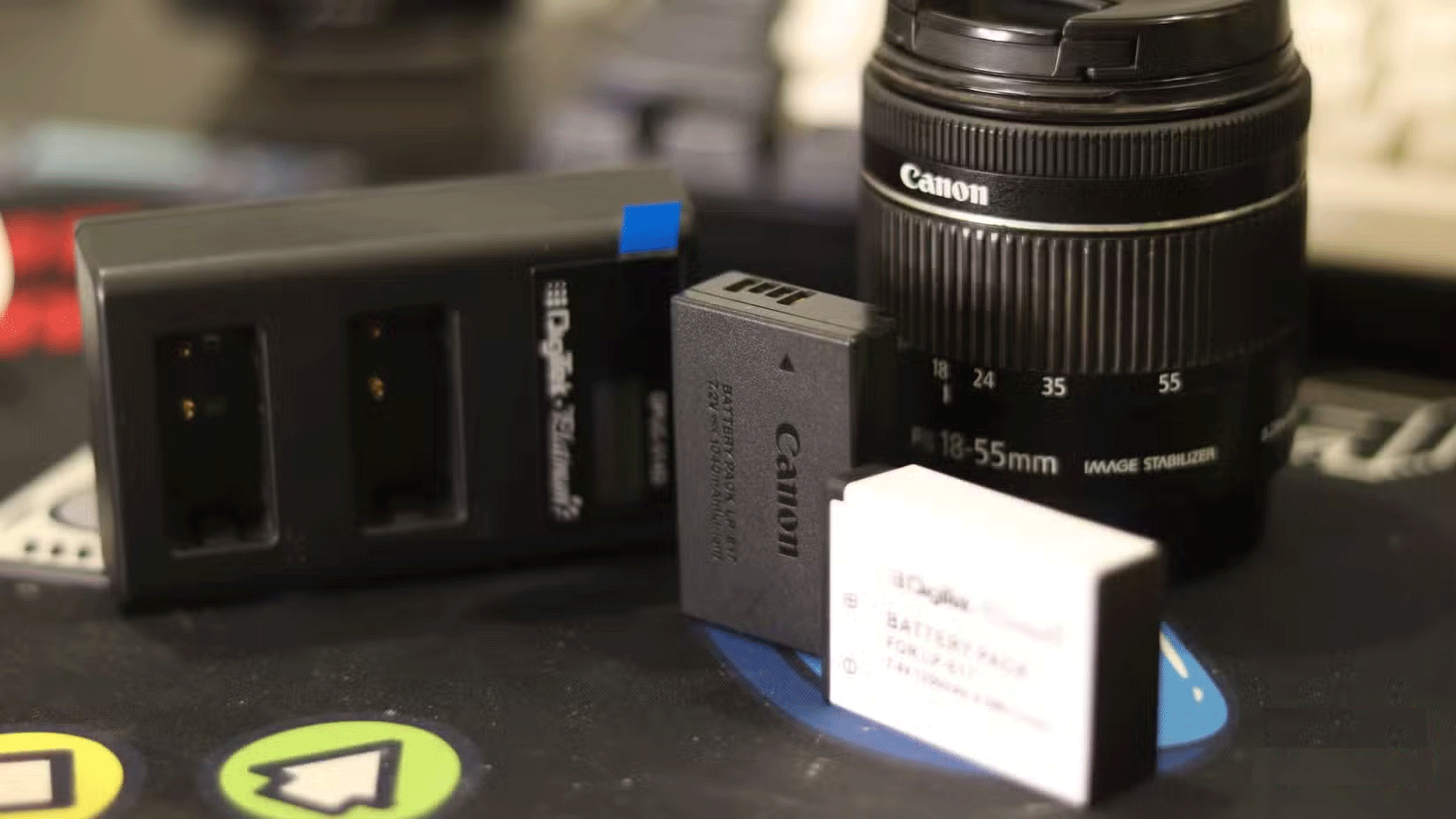
You can find tripods, gorilla pods, and even fully automated gimbals at a wide range of prices, making good photography or filmmaking gear accessible to everyone. Even if your lens fogs up in cold conditions, you can buy a lens warmer to fix the problem.
And accessories aren't just limited to cameras. You'll find hundreds of different strap options depending on how you want to carry your camera, as well as backpacks and lens bags to carry your gear.
4. Durability
Despite new screen technologies, materials, and water and dust resistance, smartphones aren't the most durable devices available. DSLRs are designed to handle the wear and tear that a professional photographer might encounter when using their camera to its full potential. Their build quality is often top-notch for the price, making them more suited to harsh conditions.
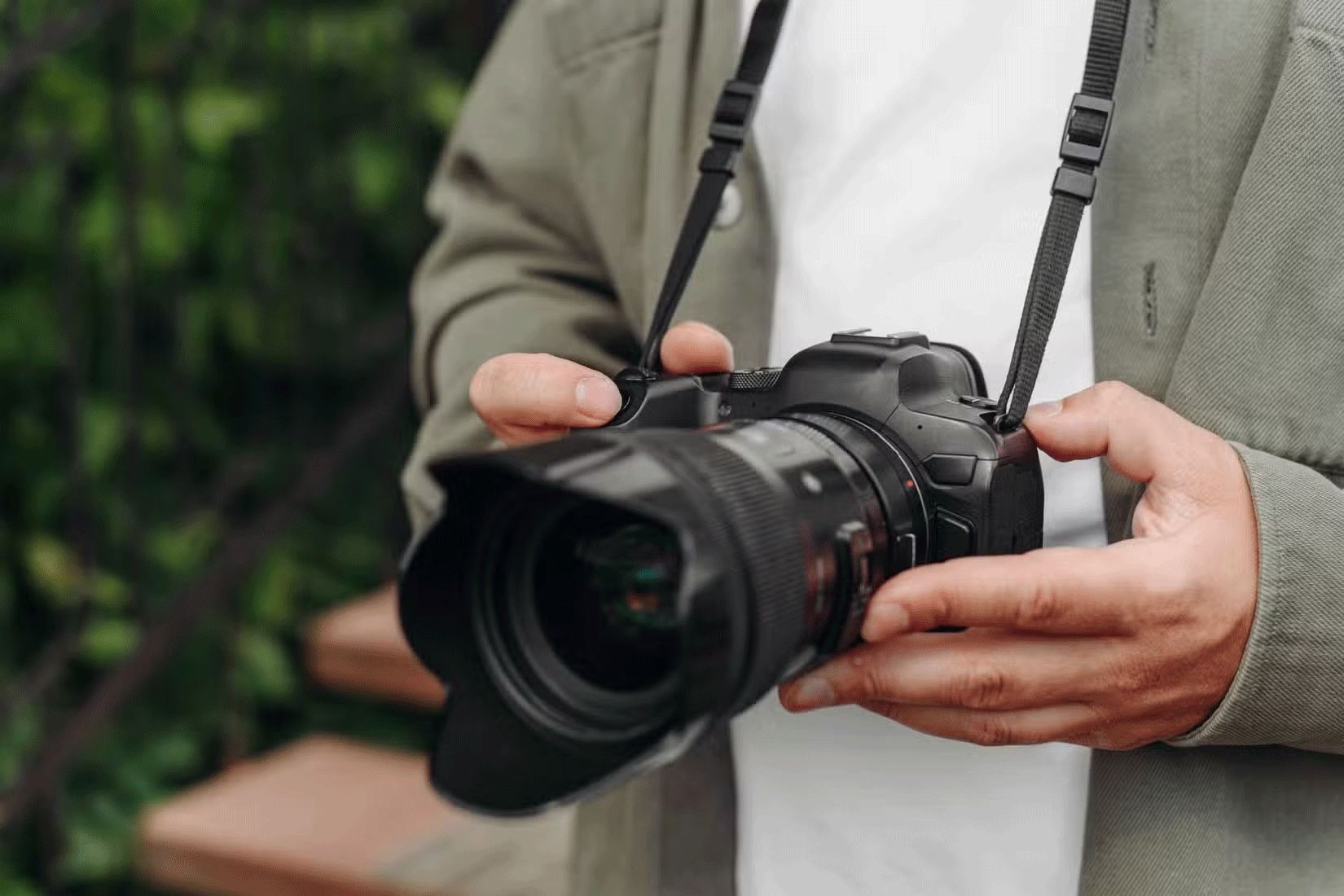
Durability also includes how well the camera will hold up to heavy use by the photographer. Whether you're shooting sports or time-lapses of the night sky, a DSLR will always perform better, especially when you consider battery life and storage capacity. You may not feel comfortable leaving your phone out overnight to shoot time-lapses of the sky, but your DSLR is designed to handle that type of photography.
DSLRs can still break, and dropping or bumping the camera can damage its internal mechanisms, but the impact would have to be significant for the camera to break. This helps you be clear. Everyday wear and tear, as well as extreme temperatures, are generally fine.
5. Good Performance for the Price
If you're only interested in photography, buying a cheap phone and then adding a DSLR camera might be a better investment than buying a $1,000 flagship smartphone. You'll have to spend many money just to get quality photos on your phone if you compare a smartphone to a DSLR.
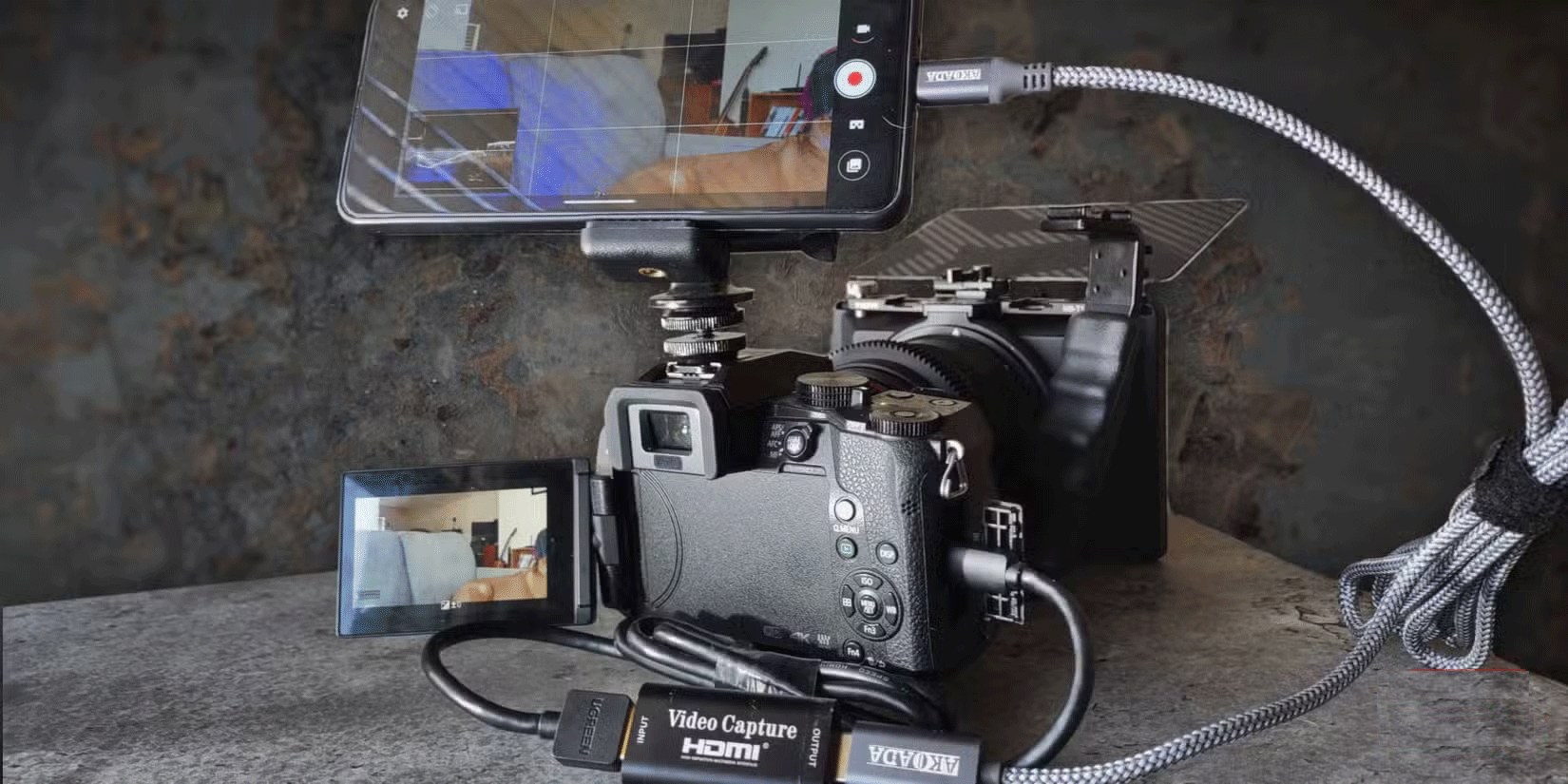
You can find good DSLRs that, when paired with the right lens, can take great photos for as little as $500. Even most entry-level DSLRs will take better photos than high-end smartphones, especially in good light.
You can make smartphone photos look like DSLRs with some editing techniques, but there's only so much you can do with editing software.
The gap between smartphones and DSLRs becomes even greater if you're working with video. Most budget and even mid-range smartphones struggle to shoot video. On a DSLR, however, you can quickly mount the lens you want, maybe add a UV or ND filter or a polarizer, and you'll have near-film-like footage in no time.
6. DSLR Cameras Still Have Many Potential to Exploit
Another reason why many people haven't given up on their DSLRs is simply because there's still so much to learn with them. Playing around with different camera settings, lighting, lenses, and shooting techniques can produce completely different results. You'll be shooting and improving for years before you hit the limits of the device if you pick up any DSLR today.
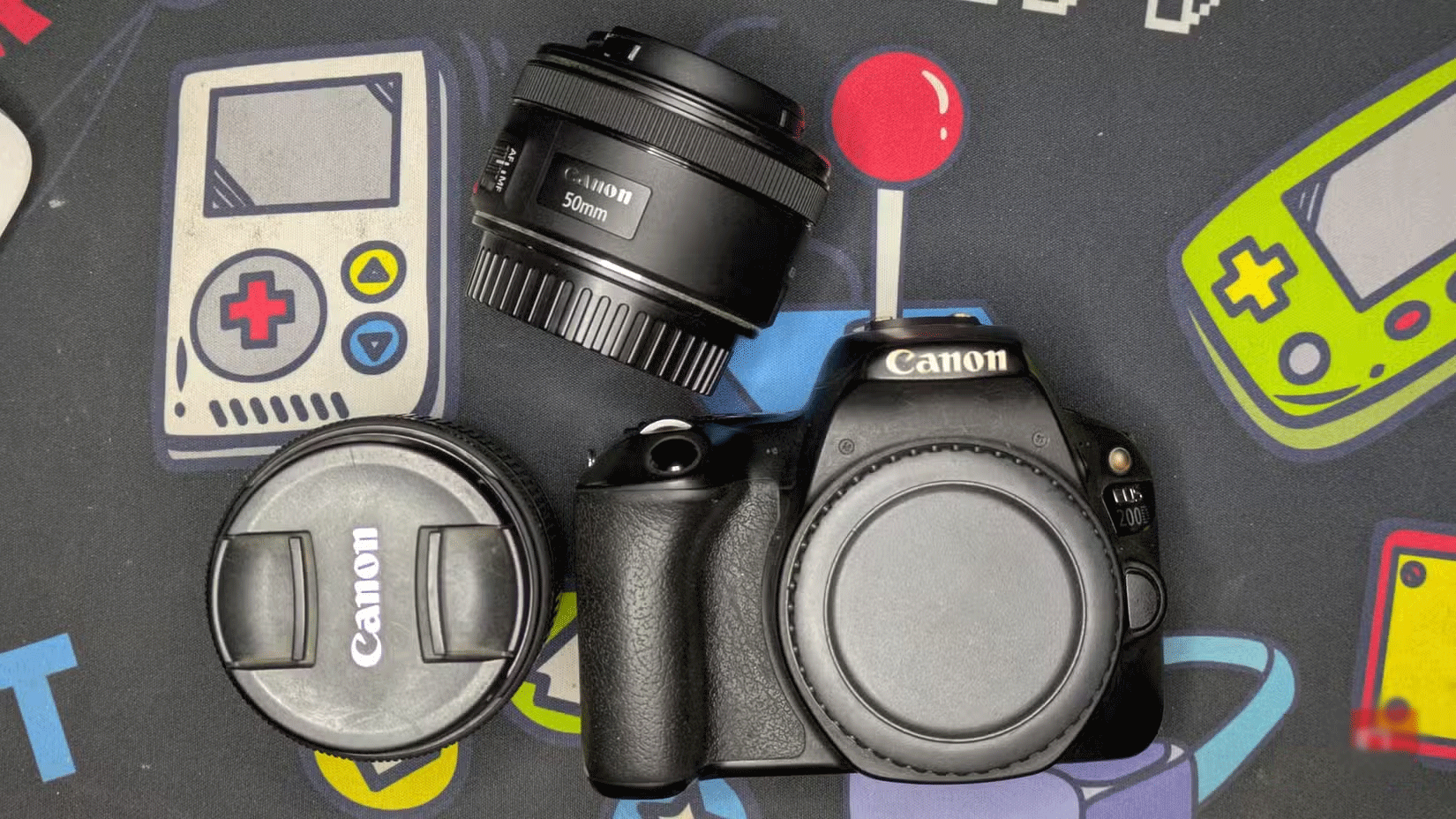
Smartphones are great all-rounders and are a necessity these days. You can also get great photos from cheaper smartphones. However, when it comes to photography, only the top-of-the-line smartphones can compete with professional equipment. However, if you are serious about photography or filmmaking, a DSLR will produce better photos and videos for a significantly lower cost and with a huge range of options, from lenses to filters.
Final Thoughts
The most reliable way to handle why do people still use DSLR cameras even though smartphones are great is to follow the process in order, verify each important setting, and test the result before moving on. Use the guidance above as a practical reference, then adjust the details for your device, software version, or specific goal.
FAQ
What should I know first about Why Do People Still Use DSLR Cameras Even Though Smartphones Are Great?
Taking a photo these days is as simple as tapping a few buttons on your smartphone.
How do I get the best results with Why Do People Still Use DSLR Cameras Even Though Smartphones Are Great?
Use current software or equipment, follow the steps in order, review the recommended settings, and test one change at a time so you can identify what improves the result.
What should I do if Why Do People Still Use DSLR Cameras Even Though Smartphones Are Great doesn't work as expected?
Check compatibility, permissions, connectivity, and version-specific settings. Restart the relevant device or app, then repeat the process carefully before trying a more advanced fix.
Related Articles
 Smartphone Cameras Will Gradually Replace DSLR Cameras Completely9 minutes read
 Types of Photography That Should Be Taken with a DSLR Camera7 minutes read
 Dslr Cameras for Beginners16 minutes read
 Top 5 Best Cheap DSLR Cameras of 20247 minutes read
 Why Is Street Photography with a Smartphone Better Than a DSLR Camera: Explained6 minutes read
 5 Genres of Smartphone Photography That Outperform DSLR Cameras6 minutes read
Reader Comments 0
Sign in with email or Google to join the discussion.