Table of Contents
Explore ways solar storms could destroy life on earth, including the key concepts, practical examples, important considerations, and useful guidance.
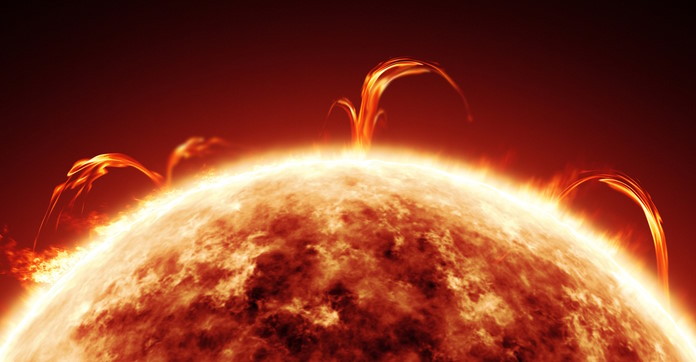
The consequences of a solar storm will be swift and devastating, affecting everything from communication networks to daily transportation. Entire cities could be plunged into darkness in seconds, and restoration could take months or even years.
Here are some things that could happen if a solar storm hit Earth.
Sudden disruption of communications and power
A solar storm begins when magnetic activity on the Sun creates sunspots, regions of intense magnetic activity. These turbulent magnetic fields can suddenly break apart and release a massive amount of energy in the form of solar flares. If a flare is directed toward Earth, it can arrive within minutes.
Initially, you might notice the stunning auroras in places where they've never been seen before. But what happens afterward is far more serious. Radio signals will be lost, satellites will stop working, and mobile phone networks may disappear. GPS and internet services could become useless. Even the power grid could be paralyzed, plunging entire areas into darkness.
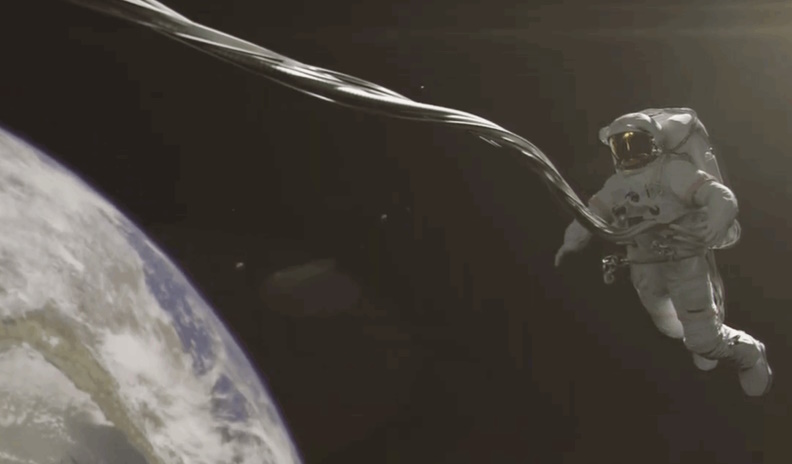
Astronauts in space will face life-threatening radiation
Solar storms don't just affect us on the ground. Astronauts on the International Space Station or other missions are exposed to high levels of radiation. Without proper shielding, they could become radiation-induced sick or develop serious long-term health problems.
A powerful solar storm could also cut off communication between them and Earth, putting their missions at extreme risk. Navigation systems could malfunction, life support systems could be disrupted, and astronauts could be completely isolated during one of the most perilous moments of their journey.
A coronal mass ejection could destroy power infrastructure
A few days after the first solar storm, a massive wave of energy known as a coronal mass ejection can occur. This plasma explosion and electromagnetic force can unleash a geomagnetic storm powerful enough to destroy power transformers and cause a complete grid failure.
Unlike short-term power outages, this damage will take weeks or even months to repair. Critical systems such as water treatment plants, air traffic control, and hospitals will cease functioning. Everyday activities like using credit cards or calling loved ones will be impossible.
Transportation systems could collapse worldwide
With satellites down and communication networks collapsing, navigation would be paralyzed. Airplanes could lose connection with ground control stations. Subways and trams could suddenly cease operation. In extreme cases, this could lead to accidents and chaos across the entire transport network. Millions of people could be stranded or unable to reach safety.
Traffic lights will stop working, emergency response systems may be delayed, and GPS-based services like ride-hailing or delivery apps will become useless. A sudden breakdown of transportation infrastructure could paralyze cities and cause widespread panic.

The Earth will enter a long and difficult recovery phase
Even after the solar storm ends, the damage will remain. Rebuilding power lines, replacing destroyed equipment, and restoring global communications could take months. During this time, supply chains will be disrupted, and global trade could grind to a halt. Entire nations may struggle to distribute food, medicine, and fuel.
The longer the recovery process drags on, the more serious the consequences. Social unrest may increase, and governments will be forced to manage not only physical recovery but also a humanitarian crisis.
Final Thoughts
Understanding ways solar storms could destroy life on earth makes it easier to evaluate the information and apply the most relevant recommendations. Focus on the key points above and verify details that may change over time.
FAQ
What is ways solar storms could destroy life on earth?
Explore ways solar storms could destroy life on earth, including the key concepts, practical examples, important considerations, and useful guidance.
What key points does this article cover?
The article focuses on Sudden disruption of communications and power, Astronauts in space will face life-threatening radiation, A coronal mass ejection could destroy power infrastructure, with practical explanations and examples.
How can you use this information in practice?
Use the explanations to compare options, verify important details, and make a more informed decision. Apply the recommendations that best match your goals and situation.
Related Articles
 What Is Solar Storm? How Solar Storm Affects the Earth4 minutes read
 Here's How Solar Storms Help Develop Life on Alien Planets: Complete Guide6 minutes read
 Breakthrough Solar Panels That Can Withstand Even the Biggest Storms3 minutes read
 Maybe the Solar System 2.0 Is Not the Cradle of Nurturing Life3 minutes read
 Listen to the Strange Sound Obtained from Planets in the Solar3 minutes read
 Solar Storms Could Bring Down the Global Internet System7 minutes read
Reader Comments 0
Sign in with email or Google to join the discussion.