Table of Contents
Explore over 100 new natural satellites discovered in the solar system.
1. Saturn: The Rise of the "Satellite Kingdom"
According to a report from New Scientist , Saturn has solidified its position as the planet with the most moons in the Solar System.
- New number: 128 new satellites have been identified.
- Total size: This brings the total number of satellites of this giant gas planet to an impressive 274.
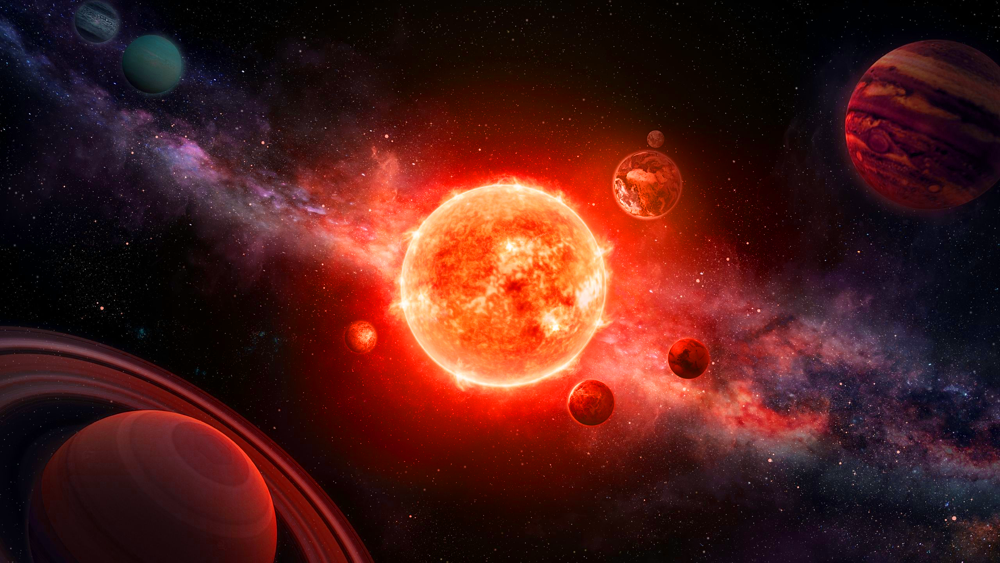
To achieve this result, experts used image stacking techniques from data from the Canada-France-Hawaii Telescope. By combining multiple long-exposure images, scientists were able to detect extremely low-light objects (faint objects) that are often obscured in deep space.
Edward Ashton, the lead researcher, shared: "This is an exciting moment, a true scientific milestone as we begin to rely on numbers instead of mythical names to identify things."
2. Uranus and the mysterious satellite S/2025 U1
One of the most notable highlights is the discovery of a new satellite of Uranus, provisionally designated S/2025 U1.
- Detection instrument: James Webb Space Telescope (JWST).
- Characteristics: This is a small object with low light reflectivity, making it extremely difficult to observe using traditional optical methods.
Using Webb's far-infrared observational capabilities, astronomers have increased the total number of the planet's moons to 29. Traditionally, Uranus' moons are named after characters from Shakespearean works (such as Titania or Oberon), and S/2025 U1 will soon be given a fitting name.
3. Dynamics and Implications in Planetary Evolution
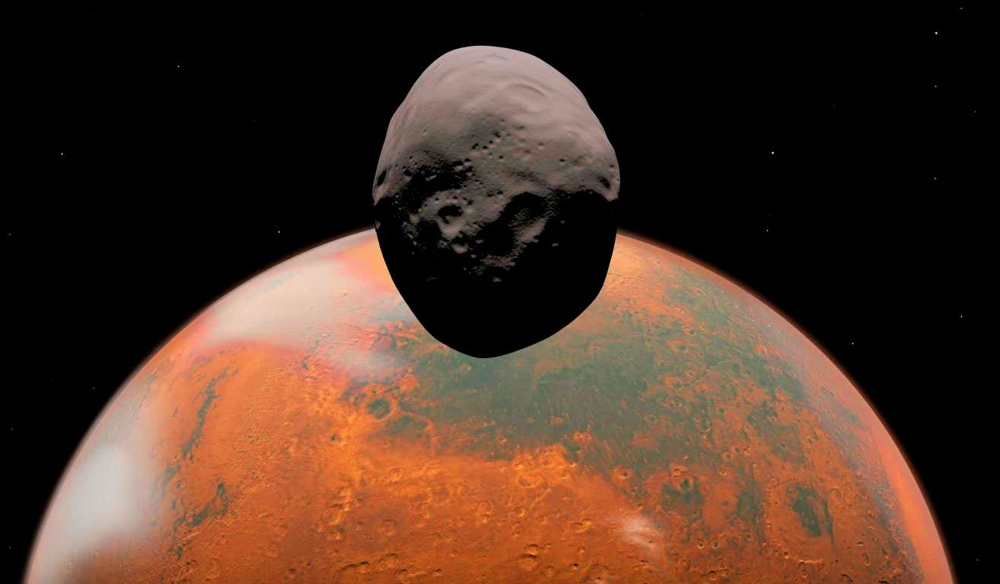
The discovery of these satellites goes beyond simply "collecting data." Professor Nigel Mason from the University of Kent emphasizes that their diversity in shape, size, and orbit raises fundamental questions about the universe:
- Formation mechanism: Are these satellites formed from accretion disks in situ, or are they "captured" by the host planet through gravitational interaction?
- Tidal interactions: The relationship between small satellites and their host planets helps scientists fine-tune models of tidal forces and orbital dynamics.
- System history: Each satellite is a "space fossil," preserving traces of collisions and upheavals in the Solar System billions of years ago.
4. Breakthrough technology: The key to new discoveries
The explosion of discoveries in 2025 is a testament to the combination of advanced image processing algorithms and cutting-edge remote sensing technology. The James Webb Telescope, with its ability to penetrate cosmic dust, and high-resolution ground-based observatories are helping humanity see into the most remote corners of our planetary system.
The discovery of over 100 new satellites is not just a number on an astronomical map; it represents humanity's ever-deepening understanding of our shared home – the Solar System. These discoveries further confirm that the universe still holds countless mysteries awaiting further technological advancements to uncover.
Final Thoughts
Understanding over 100 new natural satellites discovered in the solar system makes it easier to evaluate the information and apply the most relevant recommendations. Focus on the key points above and verify details that may change over time.
FAQ
What is over 100 new natural satellites discovered in the solar system?
Explore over 100 new natural satellites discovered in the solar system.
What key points does this article cover?
The article focuses on 1. Saturn: The Rise of the "Satellite Kingdom", 2. Uranus and the mysterious satellite S/2025 U1, 3. Dynamics and Implications in Planetary Evolution, with practical explanations and examples.
How can you use this information in practice?
Use the explanations to compare options, verify important details, and make a more informed decision. Apply the recommendations that best match your goals and situation.
Related Articles
 Discovered Evidence That 'solar System 2.0' Has Water3 minutes read
 Detecting the Tremors of the Twin Brothers of the Solar System,3 minutes read
 AI Can Now Predict Space Weather with Unprecedented Accuracy4 minutes read
 The Best Solar System Simulation Software4 minutes read
 Faraway Places in the Solar System7 minutes read
 How Long Does It Take to Get up to 7 Life-capable Planets - Has2 minutes read
Reader Comments 0
Sign in with email or Google to join the discussion.