Table of Contents
Plastic bins may seem like the perfect solution for storing just about anything. Because they are waterproof, they can be perfect for protecting your favorite items from flooding, moisture, and pests. However, there are some things you should never store in plastic bins.
So before you stuff everything into a plastic bin, take a look at this list of items you definitely shouldn't store in there .
Leathering
Leather should not be stored in plastic containers as this can trap moisture and damage the leather. If your leather gets wet, the material can crack and peel over time.
Image
Heat and humidity can cause photos to stick together, fade, or become damaged if stored in plastic containers. Your best bet is to look for containers designed for archival photography, and choose ones labeled "archival quality" - as they don't contain acids and other chemicals that can degrade the quality of your photos.
Electronics
A plastic box in a tightly controlled environment (like a bedroom closet) may be suitable for storing sensitive electronics. However, a plastic box stored in a place with fluctuating temperatures and humidity (like an attic or basement) can cause damage to your electronics.
If you decide to store electronics in plastic containers, add a few silica gel packets to reduce the risk of damage to your devices due to moisture.
Clothing and fabrics
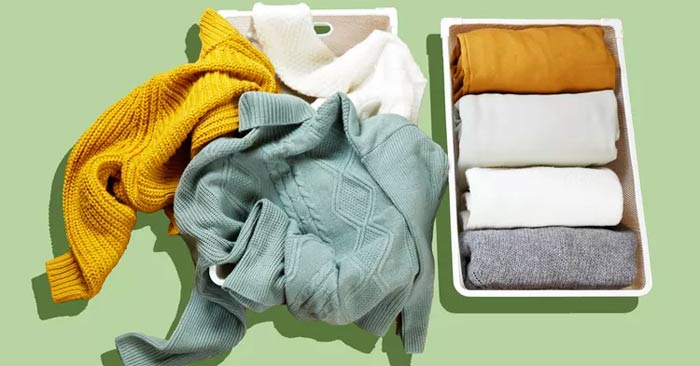
Plastic bins may seem like they were designed specifically for storing out-of-season clothing, but they're not the best idea — especially for delicate fabrics like cashmere or silk. Again, the potential for heat and moisture to build up in a plastic bin puts your favorite pieces at risk of mold, odor, or even stains.
Important documents
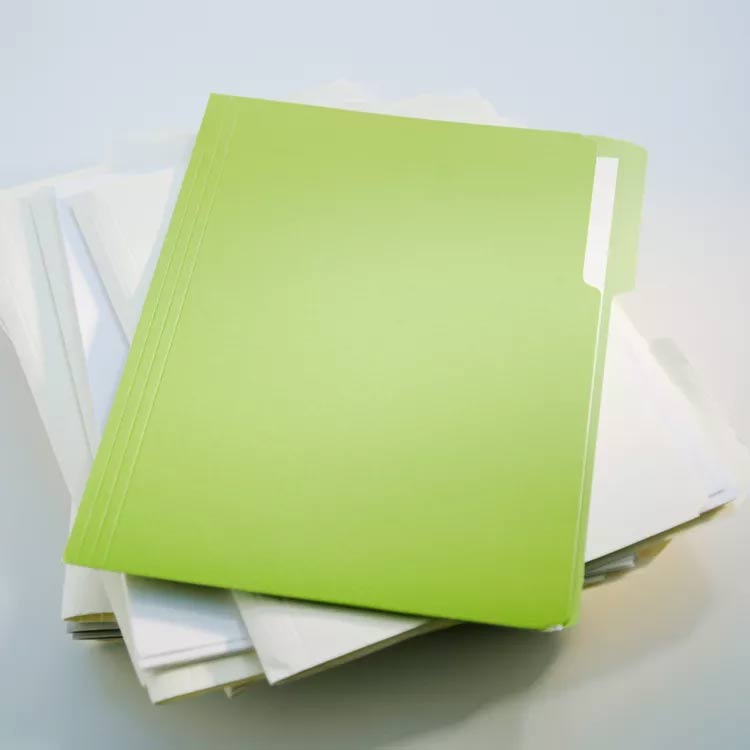
If it's an essential document, you don't want to leave it exposed to sunlight in a clear plastic container. Choose more breathable options like fabric, wood, or canvas containers.
Chemical
Storing chemicals in plastic containers can cause problems if the container is located in an area subject to temperature fluctuations, or if one or more chemicals leak, potentially causing a dangerous reaction.
Leftover food
Using plastic to store food — whether for leftovers or to store in the pantry — can be a potential problem, especially if you reuse plastic takeout containers or reheat leftovers in plastic containers. High temperatures can cause chemicals in the plastic to leach into the food, especially when the food is reheated.
If you want to use plastic containers to store food, choose ones that are labeled microwave-safe. Also, check to see if the plastic food storage containers are designed to be reused, not just used once.
Pet food
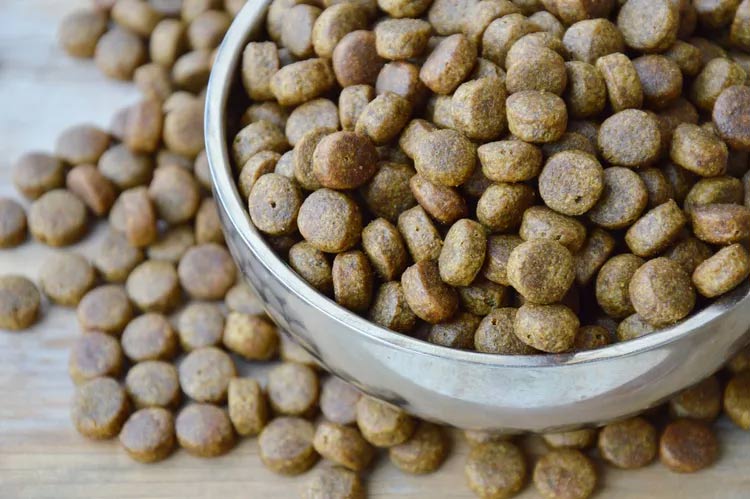
Just like human food, pet food stored in plastic containers may contain small amounts of plastic in the food itself. Upgrade to food-safe metal containers to reduce the risk.
Anything wet or damp
Anything wet or damp should not be stored in a plastic container with a lid, as this will trap moisture and create mold. Allow damp or wet items to dry before storing them, or choose a container material that is breathable.
Battery
The problem isn't just the plastic container. Storing batteries in a way that makes them susceptible to falling out creates the risk of them coming into contact with each other or another metal object, and starting a short circuit. This will cause the battery to lose power, and in the worst case, can pose a fire hazard, especially if the plastic container melts.
Final Thoughts
The best choice depends on your needs, compatibility requirements, and the trade-offs described above. Use the listed criteria to compare the options rather than relying on a single feature or headline.
FAQ
What should you consider when reviewing Things You Should Not Store in Plastic Containers?
Focus on compatibility, practical value, limitations, and the specific needs described in the article. Plastic bins may seem like the perfect solution for storing just about anything. Because they are waterproof, they can be perfect for protecting your favorite items from flooding, moisture, and pests.
What should you know about Leathering?
Leather should not be stored in plastic containers as this can trap moisture and damage the leather. If your leather gets wet, the material can crack and peel over time.
How should you use this comparison or list?
Use it as a starting point, then verify current specifications, availability, safety guidance, and pricing when those details affect your choice.
Related Articles
 Deodorize Plastic Containers Easily with 7 Simple Tips3 minutes read
 Ways to Use Zipper Plastic Bags4 minutes read
 Surprising Facts About Plastic That Make Us Think7 minutes read
 Things to Know When Using Food Plastic: Plastic Box4 minutes read
 What Is Abs Plastic? Applications of Abs Plastic in Life4 minutes read
 How Dangerous Chemicals Are in Plastic Consumer Products10 minutes read
Reader Comments 0
Sign in with email or Google to join the discussion.