Table of Contents
Explore the following common products can be major sources of microplastics.
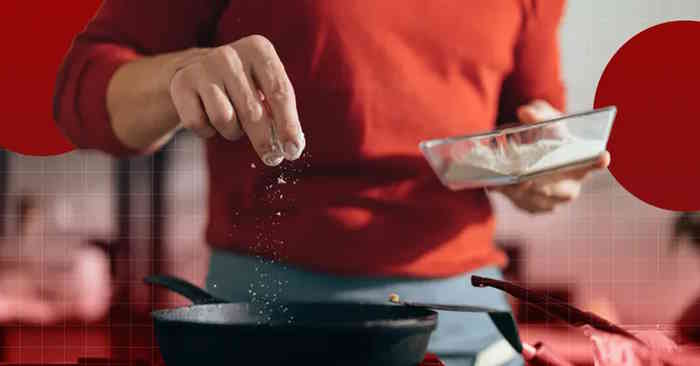
Over the past few years, these tiny plastic particles have sparked growing concern and anxiety, especially when it comes to food and human health.
But do microplastics actually penetrate the body, or even the brain? And if so, what does that mean for our health?
What are microplastics?
Microplastics are defined as " small pieces of plastic, less than 5 mm (0.2 inch) in length, that appear in the environment due to plastic pollution ." The U.S. Food and Drug Administration (FDA) states that while some foods may contain microplastics due to where they are grown or how they are packaged, " current scientific evidence does not demonstrate that the levels of microplastics or nanoplastics detected in food pose a risk to human health ."
The science of microplastics is nothing new, according to chemist Chris DeArmitt. DeArmitt argues that plastic is so prevalent that it's even present in the dust we breathe. In his view, completely avoiding plastic is impractical. However, the potential health effects of microplastic exposure remain a subject of debate.
A study suggests a potential link between microplastic levels in the brain and dementia diagnosis. However, DeArmitt questions the study's methodology, particularly how plastic residues are detected. According to science and the FDA, exposure levels are extremely low and non-toxic. However, minimizing exposure to a level that offers peace of mind is not difficult. Here are some unexpected sources of microplastics, along with simple ways to avoid them.
Paper cups and takeout containers
You might think you're avoiding microplastics by choosing paper cups at your local coffee shop or bringing home leftovers in paper containers. But in reality, many paper containers are lined with polyethylene and other plastic-based coatings to prevent leaks and maintain their structure. When temperatures rise—for example, from a sizzling cup of coffee or hot leftovers—these coatings can leach plastic particles into the food or drink.
Whenever heat is applied to plastic, it increases the release of microplastics and other potentially harmful chemicals from the plastic. Therefore, using reusable cups made from food-safe stainless steel, glass, and ceramic is a great alternative. The same is true for foods you plan to eat again later, especially if you'll be reheating them in the storage container.
Tea bags
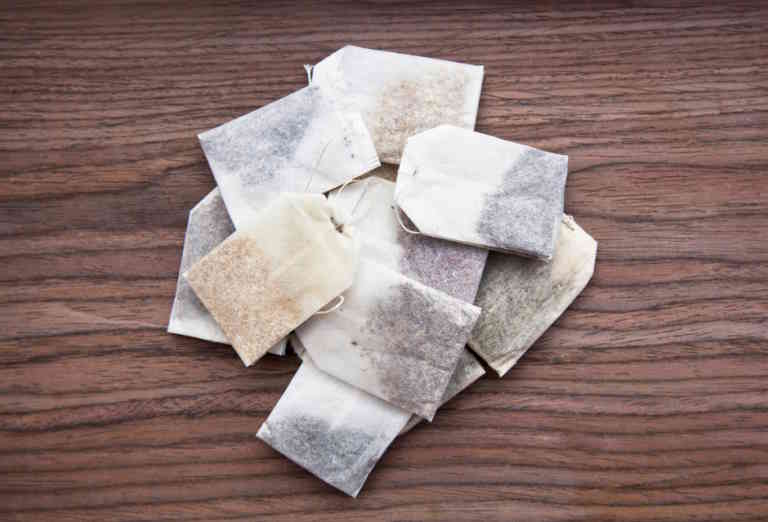
A healthy cup of tea seems like a natural way to relax after a long day, but how you brew your tea can make all the difference. According to one study, a single tea bag can release up to 11.6 billion microplastic particles. Many tea bags are made from fabrics like nylon or plastic. Even those that look like paper are often sealed or wrapped in plastic.
If you occasionally use tea bags when traveling and there's no way to buy loose-leaf tea, that's fine. But at home, everyone should use old-fashioned teapots or stainless steel tea balls to minimize the risk of exposure.
Toothpaste & toothbrush
Some types of toothpaste still contain microplastic particles. And it's not just toothpaste – research shows that toothbrushes, dental floss, and even orthodontic appliances can contribute to microplastic exposure in the mouth.
While some brands now offer microplastic-free options, such as toothpaste tablets and powder, you can also try making your own. Simply mix baking soda and water to form a paste, which you can customize with essential oils like peppermint for a refreshing flavor. However, remember to consult your dentist to ensure this option is right for you.
Seafood
Microplastic particles from the ocean accumulate in marine life, which is then consumed by humans. A famous 2024 study found that 180 of 182 seafood samples collected off the Pacific coast of Oregon—including black grouper, black snapper, Chinook salmon, Pacific herring, Pacific lamprey, and pink shrimp—tested positive for plastic contamination. What's the best way to avoid plastic contamination? Limit your seafood consumption.
However, seafood remains a rich source of nutrients with proven health benefits, including anti-inflammatory omega-3 fatty acids. While researchers are still learning about the long-term effects of microplastics on health—especially from food sources like seafood—there is still much we don't know. If you are concerned about microplastic exposure, consider talking to a nutritionist for personalized advice.
Salt
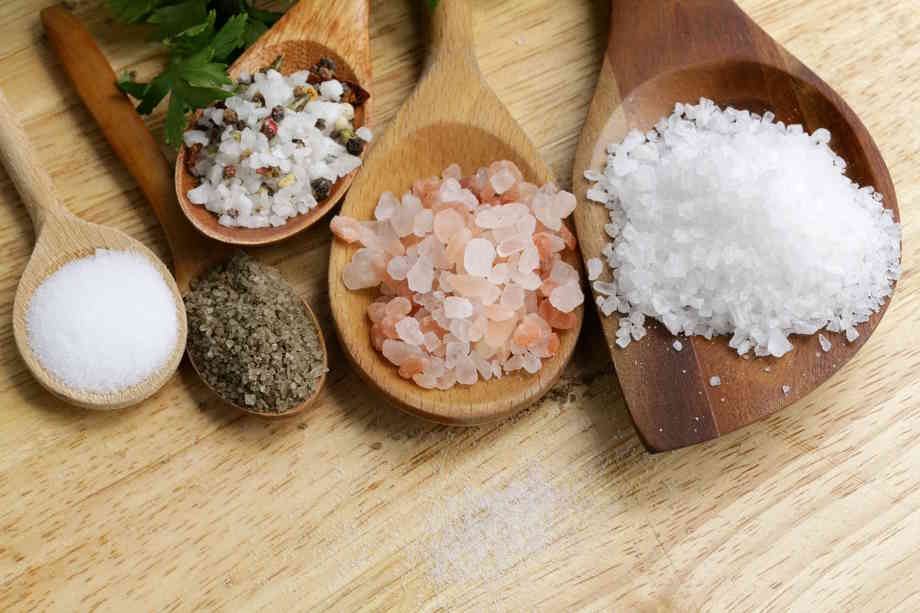
Given research on seafood, the discovery of microplastics in sea salt is perhaps not surprising. However, they are not limited to products of ocean origin. They are also found in other types of salt, even table salt and Himalayan salt. In fact, one study found that Himalayan pink salt had the highest percentage of microplastics among all the salts tested. Black salt came in second, meaning that land-based salts actually have higher microplastic content than sea salt.
Excessive sodium intake—from salt or other sources—can increase the risk of high blood pressure. Therefore, to minimize exposure and support a healthier heart, try to limit your consumption. Herbs and spices are excellent alternatives for enhancing flavor.
Final Thoughts
Understanding the following common products can be major sources of microplastics makes it easier to evaluate the information and apply the most relevant recommendations. Focus on the key points above and verify details that may change over time.
FAQ
What is the following common products can be major sources of microplastics?
Explore the following common products can be major sources of microplastics.
What key points does this article cover?
The article focuses on What are microplastics?, Paper cups and takeout containers, Tea bags, with practical explanations and examples.
How can you use this information in practice?
Use the explanations to compare options, verify important details, and make a more informed decision. Apply the recommendations that best match your goals and situation.
Related Articles
 Everyday Foods Containing Microplastics: Complete Guide5 minutes read
 Microplastic Particles Found in Antarctic Snow for the First Time4 minutes read
 The Silent Impacts That Microplastics Can Have on the Brain5 minutes read
 7 Common Malware Sources and How to Avoid Them8 minutes read
 How to Write an Argumentative Research Paper29 minutes read
 Common Problems on iOS 13 and How to Fix Them16 minutes read
Reader Comments 0
Sign in with email or Google to join the discussion.