Table of Contents
When most people think of scary places, outer space is the first thing that comes to mind. After all, it's a vacuum with extreme temperatures, high radiation, and deadly pressures. But what if Earth's oceans were even more dangerous than space?
From mysterious phenomena to deadly creatures, the ocean is full of life-threatening dangers. These dangers are not only unpredictable but also constant, lurking just beneath the waves. Unlike the galaxy, which is far away and mostly uninhabited, the ocean directly impacts human life and activities. Here are some of the ocean's scariest things in the universe.
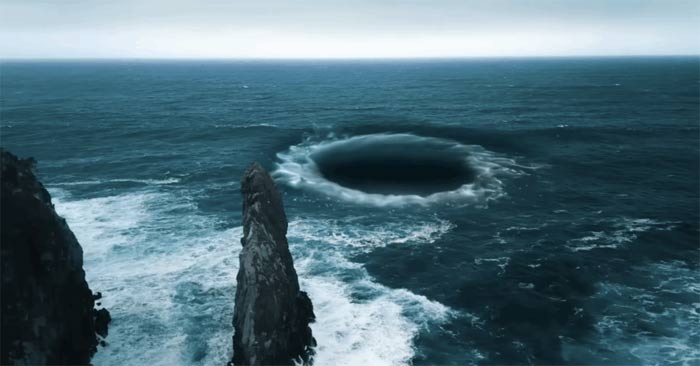
Black hole under the ocean
You may not know it, but the ocean has black holes. Called whirlpools, these whirlpools look like black holes in space. They are so powerful that nothing can escape their pull. Some whirlpools are up to 150 kilometers in diameter. They form through a combination of water temperature, wind patterns, and the Earth's rotation.
Once created, they can survive for months or even years, making them a constant hazard on the high seas. Sailors and researchers must study them closely, as these giants of the ocean floor can disrupt shipping lanes and marine ecosystems. Their enormous size and unpredictable movements make them a stark reminder of the ocean's immense power.
Scary sea creatures
The ocean is home to creatures that seem like they belong in a science fiction movie. From sharks and killer whales to red octopuses and tentacle worms, these animals are often dangerous and ready to attack. Unlike outer space, which is virtually lifeless, the ocean is teeming with creatures that can actively harm humans.
Even small, seemingly harmless creatures can bite or sting people to death. Many deep-sea creatures have evolved strange ways to survive the extreme pressures of the darkness, giving them an alien-like appearance. The diversity of life in the ocean means that danger can be found anywhere, from shallow reefs to the deepest trenches.
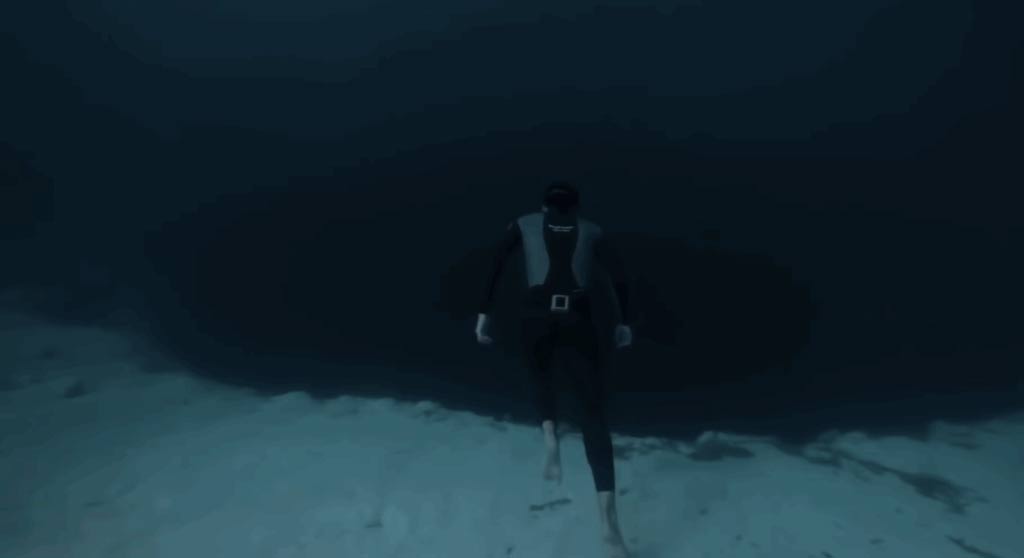
The Unexplored Depths
Much of the ocean remains unexplored, and the deeper you go, the stranger it gets. Scientists know more about the surface of Mars or the Moon than they do about the ocean floor. NASA is slowly mapping this depth to learn more about Earth's oceans and test space exploration technology. The mystery of what lies at the bottom of the ocean adds to the fear, as unseen dangers may lurk miles below.
Deep-sea trenches may harbor unknown species or geological phenomena that challenge our understanding of life and the planet. Every expedition into the abyss carries significant risks, from equipment failure to sudden changes in the environment.
Harsh ocean conditions
Outer space and the deep ocean have more in common than you might think. Both have extreme pressures, a lack of breathable air, and extreme temperatures. But while space passively threatens us, the ocean actively threatens us.
Strong currents, extreme depths, and sudden temperature changes can harm or kill even experienced divers. Hydrothermal vents, underwater volcanoes, and shifting tectonic plates add to the dangers, making the environment even more hostile. Surviving in the ocean requires constant vigilance and preparation, unlike in space, where astronauts rely on tightly controlled conditions.
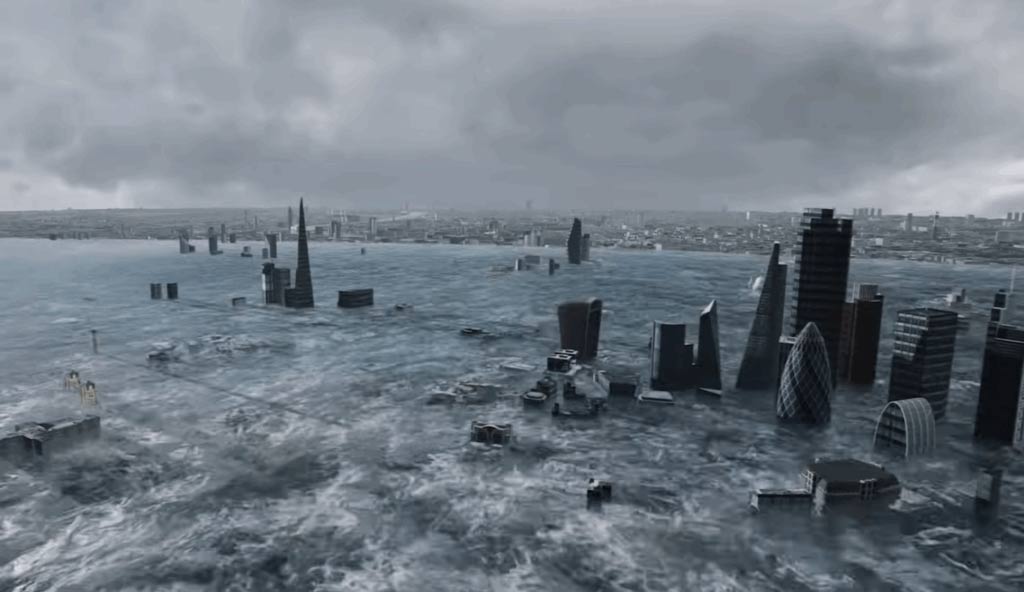
Rising sea levels
Climate change is turning the ocean into a slow but deadly threat. Sea levels could rise more than two metres by 2100, flooding cities like Venice, Bangkok and New York. Unlike a rare asteroid impact, this threat is ongoing and unstoppable. Communities face displacement, homelessness and economic devastation, proving that the ocean can be a much more immediate danger than threats from distant space.
Coastal ecosystems would also be severely affected, with saltwater intrusion destroying agricultural land and freshwater supplies. Rising sea levels could displace millions of people, potentially triggering a global humanitarian crisis as well as a natural disaster.
Final Thoughts
The best choice depends on your needs, compatibility requirements, and the trade-offs described above. Use the listed criteria to compare the options rather than relying on a single feature or headline.
FAQ
What should you consider when reviewing Things About the Ocean That Are Scarier Than Space?
Focus on compatibility, practical value, limitations, and the specific needs described in the article. When most people think of scary places, outer space is the first thing that comes to mind. After all, it's a vacuum with extreme temperatures, high radiation, and deadly pressures. But what if Earth's oceans were even more dangerous than space?
What should you know about Black hole under the ocean?
You may not know it, but the ocean has black holes. Called whirlpools, these whirlpools look like black holes in space. They are so powerful that nothing can escape their pull. Some whirlpools are up to 150 kilometers in diameter.
How should you use this comparison or list?
Use it as a starting point, then verify current specifications, availability, safety guidance, and pricing when those details affect your choice.
Related Articles
 Surprise with the Facts About the Ocean5 minutes read
 10 Photos Showing How Small People Are in the Ocean6 minutes read
 Interesting Facts About the Pacific Ocean That Not Everyone Knows6 minutes read
 NASA Will Reveal New Discoveries About Extraterrestrial Ocean4 minutes read
 Ocean Acidification Changes California's Shell Structure3 minutes read
 The Ocean's Most Dangerous Predators: Explained6 minutes read
Reader Comments 0
Sign in with email or Google to join the discussion.