Table of Contents
Explore a mysterious ecosystem has been discovered at a depth of over 3km beneath.
Discover the mysterious "Frozen Coral Reef" at the bottom of the Arctic Ocean
Deep beneath the Arctic Ocean , life thrives in incredibly strange ways. It's often assumed that at extreme depths, the dark, icy waters would be impenetrable to all living things – but a recent discovery has reminded us that the reality is quite the opposite.
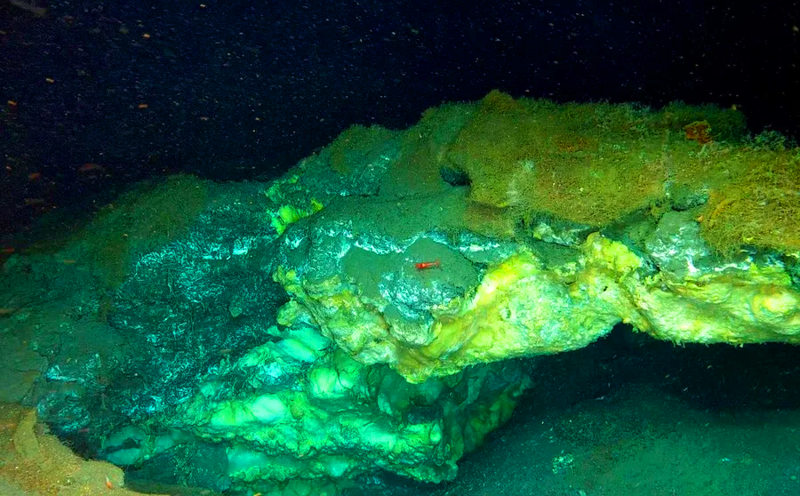
In the waters off Greenland, the deep seabed is dotted with towering mounds formed from crystallized methane and other gases. Known as Freya hydrate mounds , these structures function like a 'frozen coral reef ,' providing shelter for organisms that have evolved to adapt to this unique environment on Earth.
New records were set
In a new study published in the journal Nature Communications , scientists have documented the deepest mounds ever found, located at a depth of 3,640 meters (approximately 2.26 miles) below sea level. This discovery is part of the Ocean Census Arctic Deep–EXTREME24 expedition, which studies the Arctic environment and records marine life using advanced tools such as underwater robots.
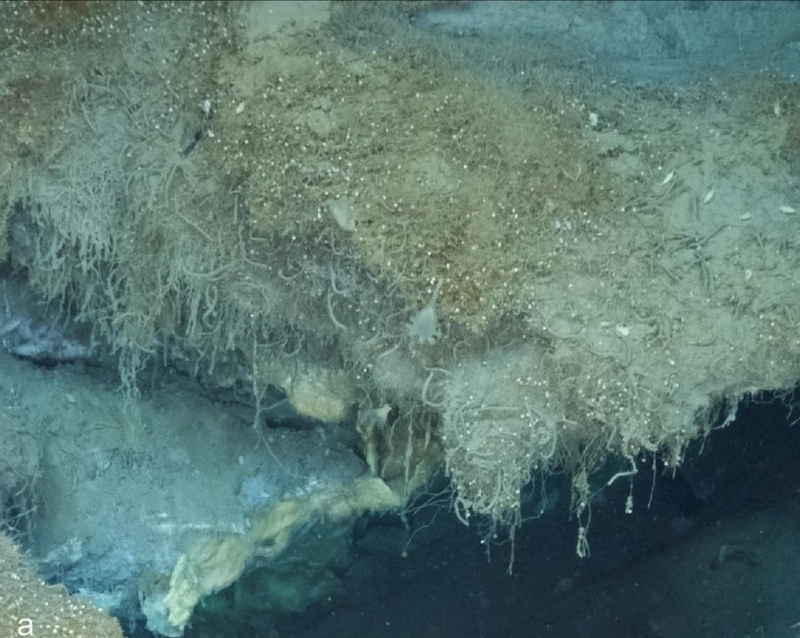
Remarkably, these mounds (also known as gas hydrate cold seeps) release plumes of methane gas up to 3,300 meters into the water—the tallest plumes ever recorded. Over time, these mounds collapse and reform, a constant process that helps researchers gain a deeper understanding of the diverse ecosystems of the Arctic.
An ecosystem that doesn't need light
Professor Giuliana Panieri from the Arctic University of Norway emphasizes that these are not static deposits, but rather "living" geological features that react directly to tectonic movements, deep heat flows, and environmental changes.
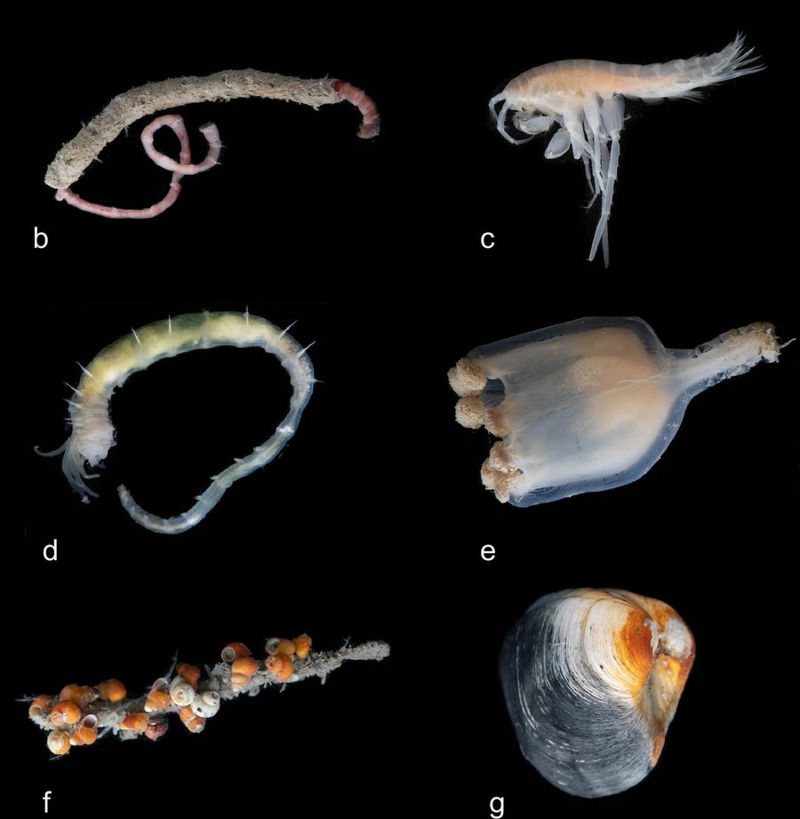
Gathered around these mounds are chemosynthetic organisms— life forms that have evolved to rely on chemical reactions to produce food, rather than on photosynthesis from sunlight. Some of the organisms at Freya mounds are also found in hydrothermal vents (fissures in the seabed that spew out streams of hot, chemically charged water), suggesting these ecosystems are more closely interconnected than previously thought.
A call for conservation
Professor Jon Copley from the University of Southampton (UK) said: 'The link between life in this seepage and hydrothermal vents in the Arctic suggests that isolated deep-sea habitats need to be protected from any future impacts of deep-sea mining in the region.'
Final Thoughts
Understanding a mysterious ecosystem has been discovered at a depth of over 3km beneath the arctic ocean makes it easier to evaluate the information and apply the most relevant recommendations. Focus on the key points above and verify details that may change over time.
FAQ
What is a mysterious ecosystem has been discovered at a depth of over 3km beneath the arctic ocean?
Explore a mysterious ecosystem has been discovered at a depth of over 3km beneath.
What key points does this article cover?
The article focuses on Discover the mysterious "Frozen Coral Reef" at the bottom of the Arctic Ocean, New records were set, An ecosystem that doesn't need light, with practical explanations and examples.
How can you use this information in practice?
Use the explanations to compare options, verify important details, and make a more informed decision. Apply the recommendations that best match your goals and situation.
Related Articles
 The Largest Depth in the Ocean Detected Living Organisms1 minutes read
 Surprise with the Facts About the Ocean5 minutes read
 Acid in the Arctic Ocean Increases Rapidly with Climate Change3 minutes read
 The First Images of the Mysterious Ghost Shark at a Depth of 2,000m4 minutes read
 Facts About Arctic Foxes You May Not Know4 minutes read
 Mysterious Island Inhabited by the Stranger-eating Tribe3 minutes read
Reader Comments 0
Sign in with email or Google to join the discussion.