Table of Contents
Scientists at the University of California San Diego developed the experimental drug ION224, which inhibits the enzyme DGAT2, helping to reduce fat and liver inflammation in MASH.
A new experimental treatment targets the root cause of a dangerous liver disease linked to obesity and diabetes, offering hope to millions of patients.
Scientists at the University of California, San Diego (UCSD) School of Medicine have developed an experimental drug that could offer a new treatment for metabolic syndrome-associated steatohepatitis (MASH), a severe form of fatty liver disease often associated with obesity and type 2 diabetes that can progress to cirrhosis, liver failure, or even liver cancer.
Research published in The Lancet found that the drug, called ION224, works by inhibiting an enzyme in the liver called DGAT2, which plays a key role in fat production and storage. Inhibiting this enzyme reduces fat accumulation and inflammation, two key causes of liver damage in MASH.
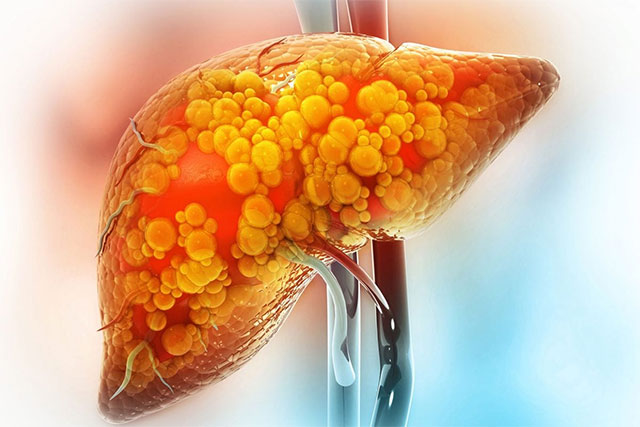
Stops fat accumulation and inflammation
'This is a groundbreaking advance in the fight against MASH,' said study leader Dr. Rohit Loomba, chief of the Division of Gastroenterology & Hepatology at UCSD. 'By inhibiting DGAT2, we have interrupted the disease process at its source, preventing fat accumulation and inflammation in the liver.'
A phase IIb clinical trial was conducted at multiple medical centers across the United States, involving 160 MASH patients with early to moderate cirrhosis. For one year, patients received monthly injections of ION224 at various doses or a placebo.
The results showed that at the highest dose, 60% of patients had significant improvements in liver health compared to the placebo group. Notably, this effect was independent of changes in weight, suggesting that the drug could be flexibly combined with other therapies. At the same time, the study also noted no serious side effects related to the drug.
MASH (formerly known as NASH – non-alcoholic steatohepatitis) is common in people who are obese and have type 2 diabetes. It is a 'silent' disease because it can progress for many years without obvious symptoms.
According to the CDC, more than 100 million Americans have some form of fatty liver disease, and globally, 1 in 4 adults are at risk. Without treatment, MASH can progress to liver failure, requiring a liver transplant.
Hope for future treatments
This is the first drug to show clear biological effects in MASH. If the results are confirmed in phase III trials, the medical profession may soon have a targeted therapy that can prevent, or even reverse, liver damage before it reaches a dangerous stage.
Loomba, who is now director of the Metabolic Fatty Liver Disease (MASLD) Center at UCSD, said the findings offer great hope for patients and their families. Early intervention with new therapies could also help reduce the burden on the health care system and prevent severe, costly cases later on.
The next step will be a larger clinical trial to get closer to bringing this treatment to market.
FAQ
What is new about new drug for treating fatty liver MASH?
In practical terms, scientists at the University of California San Diego developed the experimental drug ION224, which inhibits the enzyme DGAT2, helping to reduce fat and liver inflammation in MASH.
Why does this update matter?
The article highlights that scientists at the University of California, San Diego (UCSD) School of Medicine have developed an experimental drug that could offer a new treatment for metabolic syndrome-associated steatohepatitis (MASH), a severe.
Is the change available to everyone?
Availability may depend on the product version, region, account, or rollout stage described in the article.
Related Articles
 What Is Fatty Liver? Is Fatty Liver Disease Dangerous?7 minutes read
 If You Want to Maintain Liver and Cure, You Should Strengthen4 minutes read
 High-protein Diets Can Reduce Liver Fat2 minutes read
 Want to Prevent Liver Cancer, Just Do 3 Things Well8 minutes read
 Signs to Identify Your Liver Early3 minutes read
 Just Raising Your Feet for 15 Minutes Every Night Can Detoxify Your6 minutes read
Reader Comments 0
Sign in with email or Google to join the discussion.