Table of Contents
No drink has been established as a way to “cleanse” the liver or reverse liver disease. Water, tea, and flavored water can be reasonable everyday choices, but their value should not be confused with a treatment for liver damage.
The liver processes many substances as part of its normal function. If it is damaged, the appropriate response depends on the cause—not on following a juice or herbal detox routine. NCCIH reports no compelling research supporting detox diets for eliminating toxins.

Water and unsweetened tea: ordinary drinks, not a cleanse
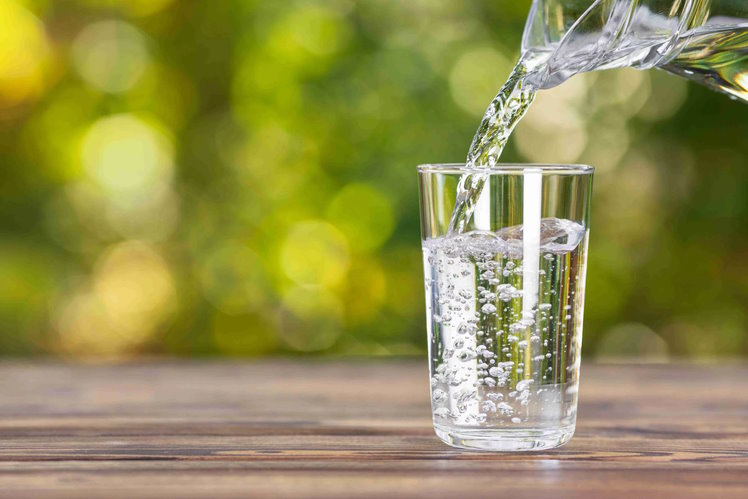
Water
Water supports normal hydration. Your needs vary with activity, weather, diet, and health conditions, so an automatic prescription of eight to ten glasses is not suitable for everyone.
Do not force large amounts of water to “flush” your liver. If you have a prescribed fluid limit because of liver, kidney, or heart disease, follow your healthcare team’s instructions.
Tea
Unsweetened tea can replace a sugary drink if you enjoy it. Lemon-ginger, peppermint, and green tea should not be described as proven ways to prevent liver disease or remove toxins.
A normal cup of tea and a concentrated herbal extract are different products. Check the ingredients of blends marketed as “detox” teas, and avoid using them as a substitute for meals or prescribed treatment.
Fruit drinks: watch the sugar and medicine interactions
Lemon water and lemonade
A little lemon can make water more appealing. It does not stimulate a special liver-cleansing process, and there is no established daily lemon-juice dose for preventing liver disease.
Sweetened lemonade can contain substantial added sugar. If your goal is an everyday alternative to soda, use water with a small amount of lemon and little or no added sugar.
Grapefruit juice
Grapefruit is a food, not a liver treatment. More importantly, it can change the effects of certain prescription and nonprescription medicines. A small daily serving is not a universal guarantee of safety.
Ask a pharmacist whether your specific medicine interacts with grapefruit, and follow its label. The FDA explains that grapefruit can increase or decrease medicine levels, depending on the drug. Do not stop prescribed medicine to make room for grapefruit juice.
Turmeric and ginger: avoid treating food ingredients as medicine
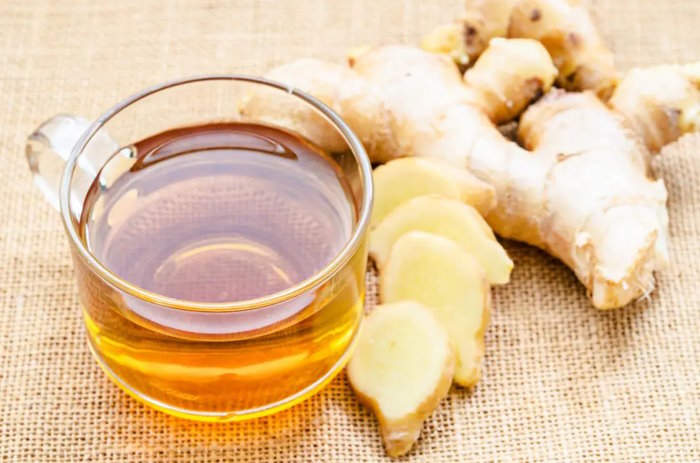
Turmeric and ginger can be used for flavor in food or drinks. That does not establish a therapeutic dose for liver detoxification. Recommendations to drink a certain number of grams daily for several months should not be followed as a liver treatment.
Concentrated products need particular care. NCCIH notes reports of liver damage from some highly bioavailable curcumin products, and evidence is insufficient to conclude that turmeric reliably benefits liver conditions.
Before using herbal supplements, review them with a clinician or pharmacist, especially if you take medicines or already have liver disease. TipsMake’s supplement-buying checklist covers common marketing and label concerns.
What matters more for liver health
A balanced diet, regular physical activity, and management of conditions such as diabetes are more useful than a cleanse. For metabolic fatty liver disease, the NIDDK recommends dietary changes and weight management when appropriate, including limiting sugary drinks. People with liver disease should discuss alcohol use with their clinician; those with cirrhosis should avoid it.
Arrange medical assessment for yellowing of the skin or eyes, dark urine, pale stools, persistent swelling, or unexplained symptoms. These signs can have several causes and should not be self-diagnosed or treated with detox drinks. Liver damage is not always reversible through lifestyle changes alone.
Related Articles
 Just raising your feet for 15 minutes every night can detoxify your liver, kidneys, improve digestion, have you tried it?
 What is good for the liver, effective cooling of liver and acne?
 If you want to maintain liver and cure, you should strengthen the following 5 foods
 Signs to identify your liver early
 Liver surgery is rare in newborns
 Simple ways to keep your liver healthy
Reader Comments 0
Sign in with email or Google to join the discussion.