Table of Contents
A low price does not prove that a household item is unsafe, and a high price does not guarantee quality. For products used around food, skin, and cleaning, the better test is whether you can identify the product, understand its intended use, and maintain it properly.

1. Kitchen towels: choose something you can wash and dry
Look for absorbent fabric, sound stitching, and clear washing instructions. Keep towels used for hands, dishes, and dirty spills separate where practical, and replace or wash a towel when it is soiled rather than continuing to spread residue around the kitchen.
Recycled material is not automatically contaminated. A towel's price cannot tell you its bacterial content; handling and cleaning matter after purchase too.
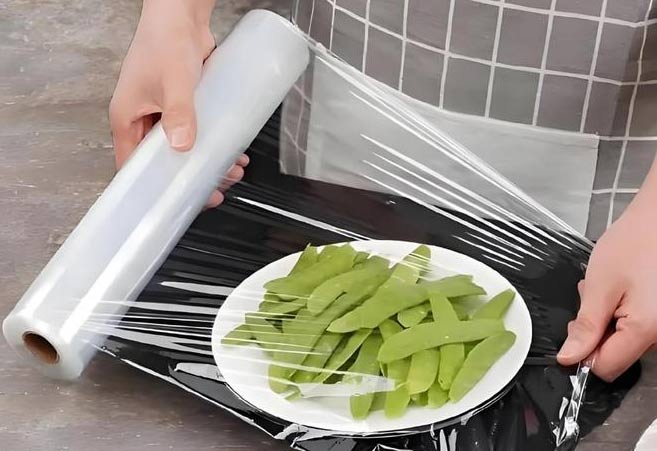
2. Food wrap: match it to the temperature and food
Choose wrap clearly sold for food contact and read its restrictions. Refrigeration, freezer use, microwave use, and direct contact with hot food are different conditions.
Do not infer safety from the plastic's name or cost alone. For heating, use only a product suitable for that purpose and follow both the wrap and appliance instructions. A suitable reusable lid or container may be easier to use correctly. The FDA's food-contact packaging overview explains why intended conditions of use matter.
3. Waste bins: check stability and cleanability
Choose a bin that fits its location, holds the intended load, and is easy to empty and clean. Check for sharp edges, weak hinges, leaks, and a lid or pedal that works reliably.
A strong unexplained odor or damaged surface is a reason to ask questions or choose another product. It is not evidence that all inexpensive or recycled-plastic bins release toxins.
4. Laundry detergent: prioritize a traceable product
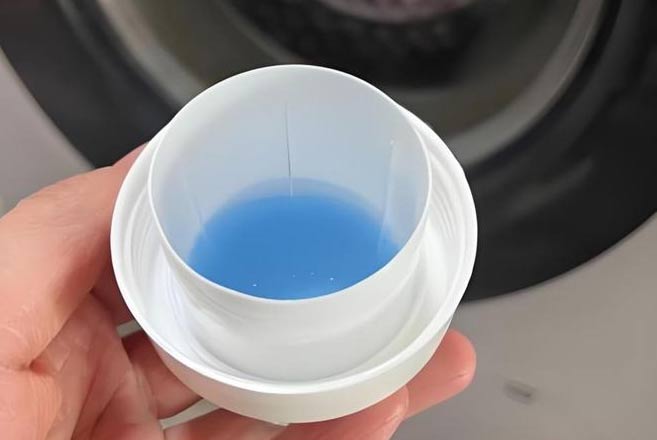
Buy a clearly labeled product from an identifiable seller. Check that it suits your washing machine, follow the dose, and keep the original packaging so instructions remain available.
Detergents can irritate the skin or eyes, but a blanket claim that cheap powder causes skin cancer is unsupported. Keep laundry products out of children's sight and reach and in their original containers, as Poison Control advises.
5. Cutlery: confirm it is intended for eating
Choose tableware with a clear manufacturer or seller, smooth edges, secure handles, and appropriate care instructions. Inspect for damage or corrosion and avoid using an item for food when its intended purpose is unknown.
“Stainless steel” is not a complete assessment of a product, and price alone does not establish its composition or compliance.
6. Tissues and paper towels: check the stated purpose
Choose intact, clean packaging and a product suited to the job. A facial tissue, cleaning towel, and paper intended for food contact may have different uses. Recycled fiber or the presence of processing steps does not by itself prove that the finished product is harmful.
Compare unit prices only after checking suitability. Clear instructions and a product you can use correctly are more useful than a rule that everything inexpensive should be avoided.






Reader Comments 0
Sign in with email or Google to join the discussion.