Table of Contents
This guide provides a clear, practical overview of "Signs That Your Body Is Silently Calling for Help". It organizes the most useful details, explains important considerations, and highlights the steps or choices that matter most.
Instead of going silent, your body sends you subtle signals to let you know something is wrong. These signs can help you identify potential problems early and take the necessary steps to bring your body back into balance.
Dry and frizzy hair, poor moisture absorption
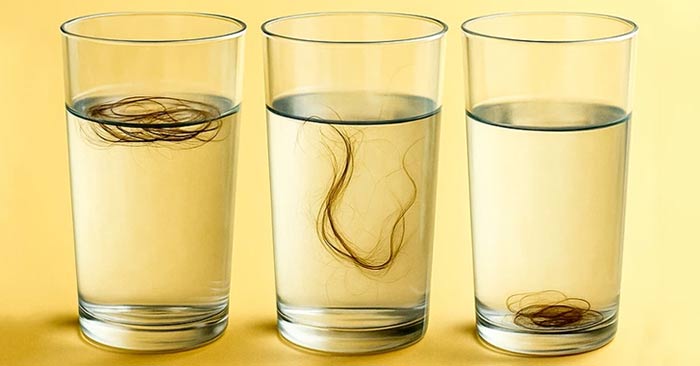
Wondering how dry your hair is? Here's a quick test:
Drop a strand of clean, dry hair into a cup of water. If it sinks quickly to the bottom, your hair probably has high porosity—meaning it absorbs water and product quickly, dries quickly, but often feels dry, rough, or frizzy.
To care for high porosity hair, use occlusive products like oils and butters. These heavier ingredients help seal in moisture. Adding a deep conditioning treatment once a week can also help strengthen hair and improve softness and manageability.
Horizontal line on neck
Deep wrinkles can be more than just a cosmetic concern; they can also be a sign of something going on beneath the surface. In postmenopausal women, reduced estrogen levels can weaken bones over time. A surprising early sign of reduced bone density and increased risk of fractures is the appearance of pronounced neck wrinkles. To help maintain bone strength and prevent osteoporosis, doctors often recommend calcium and vitamin D supplements.
These wrinkles can also indicate an underactive thyroid. When thyroid function slows down, it can cause subtle changes in the skin, including increased wrinkles and dryness. Thyroid hormones also play a role in the production of collagen, which is essential for firm, youthful skin.
Paying attention to these early signs and consulting with a healthcare provider can help detect and treat potential problems before they become more serious.
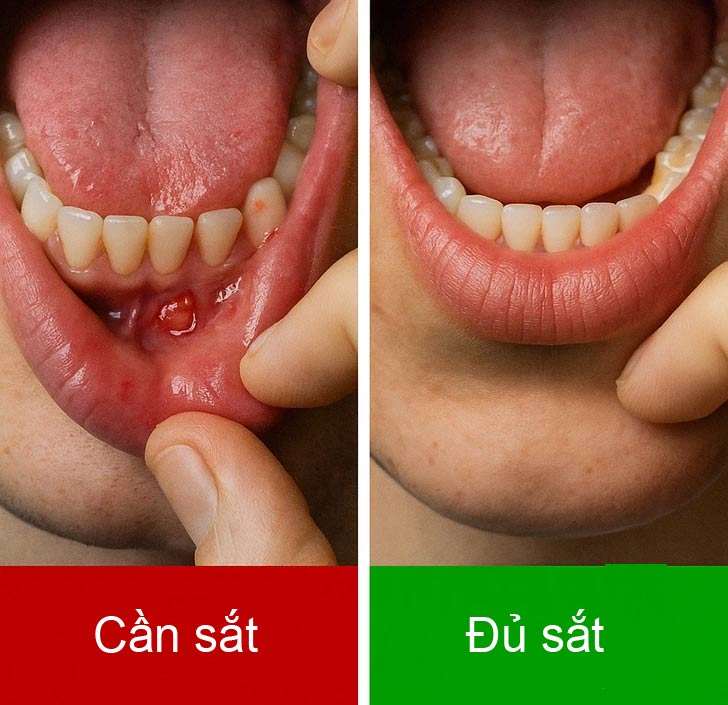
Mouth and tongue ulcers
Mouth ulcers are often caused by everyday triggers like smoking, allergies, accidentally biting your tongue, or inflammation. But if none of these are the cause, the root cause may be a deficiency in vitamin B12, iron, or folate—nutrients essential for red blood cell production and tissue repair. These deficiencies tend to develop slowly over time, making them easy to overlook.
Additional signs to watch for include fatigue, dizziness, muscle weakness, and irregular heartbeat. If you notice these symptoms along with recurring ulcers, it is important to adjust your diet and consider supplements to help restore balance and support overall health. Consult your doctor for appropriate advice.
White dot on nail
Peeling nails and dry cuticles are often a sign of iron deficiency or dehydration.
If left untreated, iron deficiency can lead to anemia, which can cause more serious symptoms such as fatigue, shortness of breath, or even chest pain. Other possible causes of weak or unhealthy nails include hypothyroidism, lung disease, or kidney disease.
To support nail health at home, focus on an iron-rich diet (like green leafy vegetables, beans, and red meat) and keep your nails well moisturized with oils or creams.
Spots that appear on the nails can be due to:
- Allergic reaction (e.g. to nail polish)
- Minor injury
- Fungal infection
- Mineral deficiencies, especially zinc or calcium deficiency
If nutritional causes are suspected, a simple blood test can help identify deficiencies so you can supplement or adjust your diet accordingly.
Cracked heels
Cracked heels are often caused by dry skin, cold weather, or standing for long periods of time. But in some cases, they can indicate underlying health conditions such as eczema, hypothyroidism, or diabetes. If left untreated, severe cracks can lead to pain, bleeding, or infection.
To treat cracked heels at home, soak your feet in warm soapy water for 15–20 minutes, gently exfoliate, and apply a thick moisturizer containing ingredients such as lactic acid, jojoba oil, or shea butter.
If you don't see any improvement with home care for your cracked heels, consult a professional or see your doctor.
To prevent this condition, adopt a simple foot care routine: inspect your feet daily, wash and moisturize regularly, and wear well-fitting, supportive shoes to protect the skin from further damage.
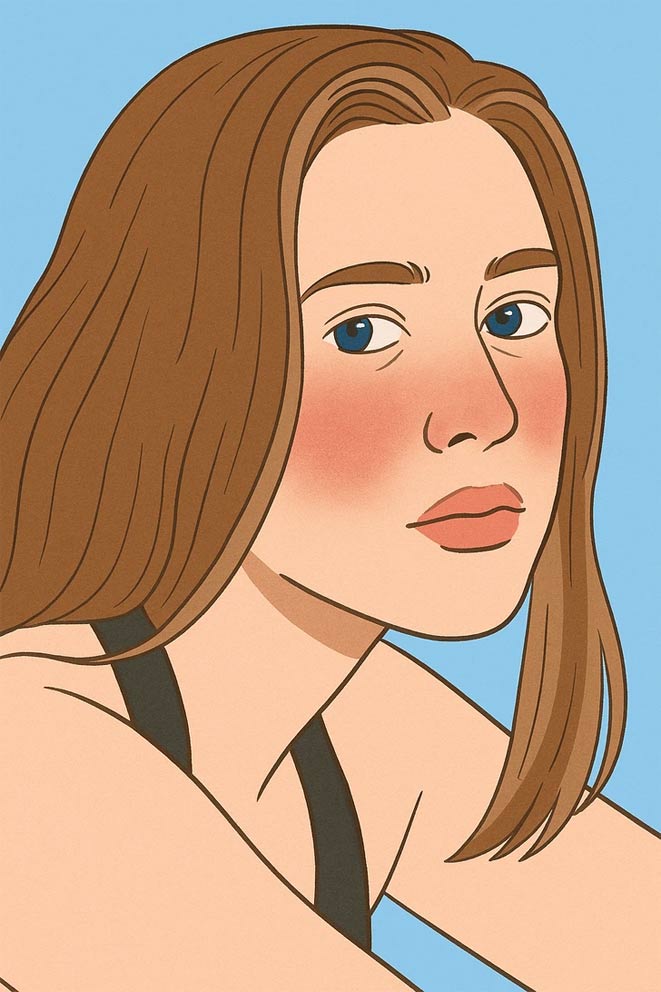
Redness around the nose, cheeks and forehead
Rosacea - A fairly common skin condition that usually occurs in adults over 30, especially those with fair skin, and is rarely seen in children.
The most recognizable symptoms include facial flushing, persistent redness, acne-like bumps, and visible blood vessels. In some cases, rosacea can also cause eye irritation, thickened skin, or facial swelling.
Treatment usually involves topical or oral medications prescribed by a dermatologist to reduce inflammation and control flare-ups. For more severe cases, laser therapy may be recommended to reduce visible blood vessels and improve the overall texture and appearance of the skin. Early diagnosis and ongoing care are key to controlling symptoms.
FAQ
What should you know about dry and frizzy hair, poor moisture absorption?
Wondering how dry your hair is? Here's a quick test:
What should you know about horizontal line on neck?
Deep wrinkles can be more than just a cosmetic concern; they can also be a sign of something going on beneath the surface. In postmenopausal women, reduced estrogen levels can weaken bones over time. A surprising early sign of reduced bone density and increased risk of fractures is the appearance of pronounced neck wrinkles. To.
What should you know about mouth and tongue ulcers?
Mouth ulcers are often caused by everyday triggers like smoking, allergies, accidentally biting your tongue, or inflammation. But if none of these are the cause, the root cause may be a deficiency in vitamin B12, iron, or folate—nutrients essential for red blood cell production and tissue repair. These deficiencies tend to.
What should you know about white dot on nail?
Peeling nails and dry cuticles are often a sign of iron deficiency or dehydration.
Related Articles
 7 Warning Signs Your Body Is Calling for Help4 minutes read
 Your Body Warning Signs Need to Be Released Immediately5 minutes read
 9 Abnormal Signs in the Legs Warning the Body Is Having Health4 minutes read
 10 Signs Appear on the Body of Health Warning You Should Not Be4 minutes read
 If Your Body Has These 12 Signs, You Are Eating Too Much Sugar7 minutes read
 To Know if Your Body Is Healthy, Rely on the Following Signs5 minutes read
Reader Comments 0
Sign in with email or Google to join the discussion.