Table of Contents
A useful bedtime skin-care routine does not need an expensive device or a collagen drink. Start with a manageable routine and a moisturizer suited to your skin. Hydrated skin can look smoother, but that is different from permanently tightening loose skin or rebuilding collagen overnight.
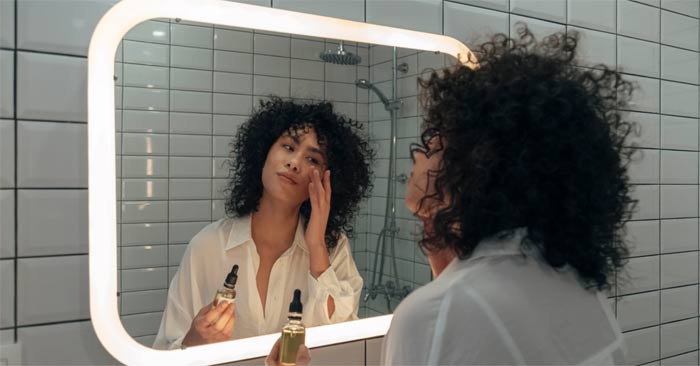
Make moisturizer the practical starting point
Apply a moisturizer according to its directions after your usual evening cleansing and any treatment prescribed for you. Choose a formula you tolerate rather than adding several new products at once.
The American Academy of Dermatology explains that moisturizing can reduce the appearance of some fine lines by trapping water in the skin. Its wrinkle-care guidance also recommends limiting products and stopping non-prescribed products that sting or burn.

Peptides are short chains of amino acids used in some skin-care formulas. Their presence on an ingredient list does not prove that a particular cream will lift the face or deliver a specific result. Formulation, tolerability, and the concern being treated matter more than a broad “peptide-rich” promise.
Treat LED and microcurrent devices as optional

LED masks and microcurrent tools are different technologies and should not be treated as interchangeable. Red-light LED devices have some evidence for improving signs of aging, but results depend on the device and treatment protocol.
The AAD's red-light therapy overview notes limitations in the evidence for home devices. A home mask is not equivalent to an in-office treatment, and using it longer or more often is not automatically better.
For either type of device, follow its instructions, eye-protection guidance, and contraindications. Ask a dermatologist whether it is appropriate for your skin and health circumstances before buying one for a specific concern. Do not rely on a claim that microcurrent is simply a “workout for the face.”
Do not make collagen drinks a bedtime requirement
A collagen latte or cocoa is not an established requirement for firmer skin or better sleep. Early or product-specific research does not justify promising either outcome to everyone.
Supplements can have side effects or interact with medicines. The AAD recommends meeting nutrient needs through food for otherwise healthy adults and discussing supplements with a clinician when needed. See its skin-supplement guidance before adding a product for cosmetic claims.
Keep expectations realistic
Consistency with a tolerable routine is more useful than repeatedly adding products. Nighttime care also does not replace daytime sun protection. For the broader routine, see daily habits that support skin health.
Persistent irritation, a new skin change, or concerns about wrinkles and laxity deserve an individual assessment. A dermatologist can help separate dryness from conditions or cosmetic concerns that require a different approach.






Reader Comments 0
Sign in with email or Google to join the discussion.