Table of Contents
Air conditioning is an indispensable device in the summer. However, if you do not regularly check and maintain it, it is very possible that the air conditioner is silently causing you illness. Below are specific signs to recognize.
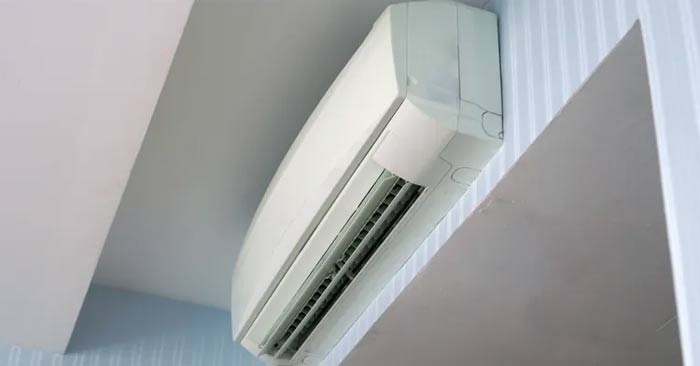
' Mold in air conditioners can be quite common if they're not properly maintained ,' says Michael Rubino, mold and air quality expert and founder of HomeCleanse. So if it's been a while since you've had your AC checked, here's why you should — and what to do if you find something undesirable growing in it.
Causes of air conditioner infection
Anything that can be airborne or adhered to a surface can be sucked into and blown out of an air conditioner. And if it's organic material, it can easily grow inside the unit.
' Moisture and organic matter are the two main ingredients needed for bacterial growth ,' Rubino says. So pet dander, mold spores, bacteria, or other organic material can grow on air conditioning coils, where the cold coils create condensation as they cool, while also removing moisture from the air. ' If a mold spore gets on [the coils], it will take root and grow into a viable colony ,' Rubino says.
Unfortunately, it takes most of us a while to realize this, since the coils are often hidden. While any HVAC unit can become contaminated, window air conditioners are at the highest risk. They are left unattended for long periods of time during the winter, so they often have drainage problems. Additionally, not all home air conditioners are properly installed and regularly cleaned.
Signs that air conditioning is harming your health
You can see mold
You may see mold when you turn on your air conditioner or check your filters. Mold can appear in a variety of colors, including white, green, blue, pink, gray, black, brown, and everything in between. It can also have different textures, such as powdery, slimy, or fluffy.
Air conditioner smells earthy or musty while running
You may smell something before you see mold, because it has a distinct odor. Mold releases gases called microbial volatile organic compounds (MVOCs), which give off a familiar musty, damp, or earthy odor.
You may feel uncomfortable
Exposure to these bacteria can cause a variety of symptoms, including brain fog, fatigue, nasal congestion, coughing, and headaches. If these symptoms seem to flare up when you're at home, you may want to check your air conditioning.
What to do if you find mold in your air conditioner
If you've dealt with mold in your home before, you know that cleaning an air conditioner properly is no easy task. Experts say that you should never install a window-mounted air conditioner. You can try cleaning it, but there's no guarantee that all the dust particles will be removed, which can lead to long-term exposure or mold growth. You should disinfect the area where the air conditioner is located to remove any remaining mold. If necessary, don't hesitate to buy a new one.
For a window air conditioner with light mold, you can remove the unit from the window and take it outside to clean. Remove and clean the grille and filter, then use an anti-mold cleaner to clean the coils. Let the air conditioner dry for 24 hours before reinstalling, and make sure it is installed properly so that moisture can escape and not accumulate inside the unit.
For split-system or central air conditioners, call a professional to assess the situation and perform a thorough cleaning. A professional can inspect internal components such as the evaporator coils and drain pans, check for moisture buildup, and assess for bacterial growth. Their findings can help you determine what to do with your current air conditioner.
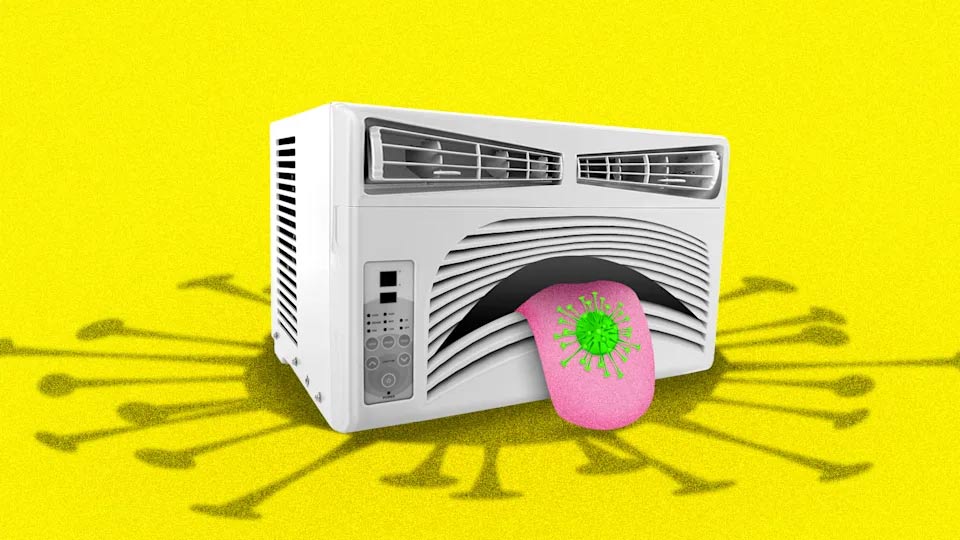
How to Prevent Mold or Other Contaminants from Growing in Your Air Conditioner
Proper maintenance of your air conditioner may not prevent fungal infections completely, but it can help you spot problems sooner. You should clean and check your filters weekly - this will help remove dirt and bacteria before they become a problem.
Final Thoughts
The best choice depends on your needs, compatibility requirements, and the trade-offs described above. Use the listed criteria to compare the options rather than relying on a single feature or headline.
FAQ
What should you consider when reviewing Signs That Your Air Conditioner Is Secretly Making You Sick?
Focus on compatibility, practical value, limitations, and the specific needs described in the article. Air conditioning is an indispensable device in the summer. However, if you do not regularly check and maintain it, it is very possible that the air conditioner is silently causing you illness. Below are specific signs to recognize.
What should you know about Causes of air conditioner infection?
Anything that can be airborne or adhered to a surface can be sucked into and blown out of an air conditioner. And if it's organic material, it can easily grow inside the unit.
How should you use this comparison or list?
Use it as a starting point, then verify current specifications, availability, safety guidance, and pricing when those details affect your choice.
Related Articles
 How to Make Your Own Home Air Conditioner Is Simple and Inexpensive4 minutes read
 Panasonic Air Conditioner Error Code, Air Conditioner: How to6 minutes read
 The Best Way to Hang the Air Conditioner Heater6 minutes read
 Air Conditioner, Air Conditioner Not Cool, Not Cold, Cause9 minutes read
 Certain Locations Must Be Avoided When Installing Air Conditioners6 minutes read
 Why Does Air Conditioner Blow Out Heat?6 minutes read
Reader Comments 0
Sign in with email or Google to join the discussion.