Table of Contents
Explore skyrocketing ram prices are just the beginning –– 3 other pc components are.
RAM-pocalypse is just the tip of the iceberg
DDR5 RAM used to be affordable, but that seems like a thing of the past. In recent months, the price of standard DDR5 RAM kits has more than doubled. PC Part Picker notes that a 32GB Corsair Vengeance DDR5-6000 kit was $98 in August and is now $409.
The reason is a persistent DRAM shortage, largely due to the explosive demand of the AI industry. Data centers need more and more DRAM, but individual users are increasingly unable to access it because the profit margins from the enterprise market are much more attractive.
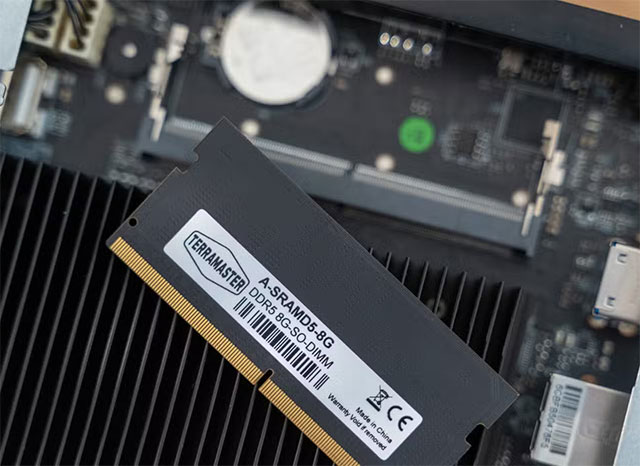
Experts predict the situation will get worse before it gets better. The latest estimates suggest the DRAM shortage could last until at least 2027, or even 2028. The two giants, Samsung and SK Hynix, which together account for 70% of the global DRAM market, are prioritizing profits. Maximizing DRAM production now could lead to a supply glut in the next few years, so Samsung is taking a safer approach: balancing demand and prices. The company is also avoiding long-term contracts because it expects DRAM prices to continue rising.
Even Samsung's Mobile division only gets DRAM on a quarterly basis, and that DRAM is used for the Galaxy line – which is enough to show how serious the situation is. Meanwhile, Micron plans to discontinue the Crucial consumer brand by 2026 to focus entirely on enterprise customers.
In short, the RAM market is extremely bleak – and this is just the beginning of a chain reaction.
RAM shortage will have a domino effect on the GPU market
GPUs have been expensive all year, though now—after months of waiting—is a rare time when GPU prices are relatively 'affordable'. But this period of calm won't last long, as the DRAM shortage will eventually affect VRAM. In fact, it's already begun.
Memory accounts for a large portion of GPU component costs, and Nvidia and AMD are looking to counter that. According to UDN, AMD has informed its motherboard manufacturing partners that it will be raising GPU prices by about 10%, and the increase will soon be reflected in retailers.
Meanwhile, rumors suggest Nvidia may go the other way: stop bundling VRAM with GPUs. This would force AIBs to negotiate their own VRAM contracts, and the added cost could be passed directly onto retail prices.
In other words, now may be the last chance to buy GPUs at a still-affordable price before the market enters a prolonged bull run.
SSDs are also rising in price – and will continue to do so
SSDs are next. According to TrendForce, NAND wafer supply is tightening sharply. NAND wafer prices are rising due to high demand and limited supply, affecting all types of SSDs, including TLC and QLC. In just one month, wafer prices have increased by 20% to 60%.
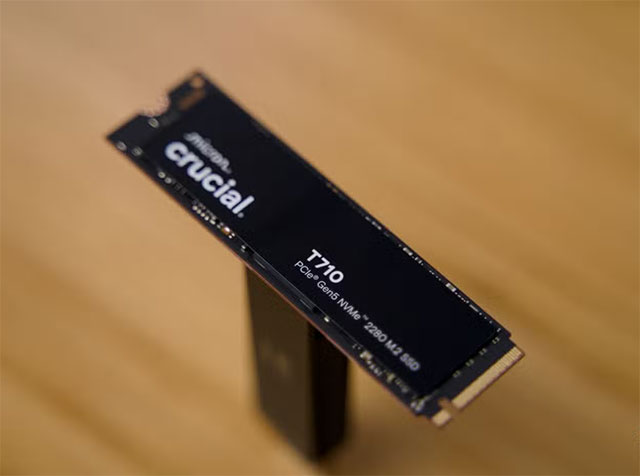
Although it's still early days, SSD prices have already started to creep up. PC Part Picker notes a clear upward trend for most PCIe Gen 4 and Gen 5 SSDs, including the Kingston NV3 and Samsung 990 Pro. The Crucial P310 1TB has climbed from $62 in September to $100 today.
There's no need to buy a top-of-the-line SSD, but anyone thinking about upgrading their storage should do so soon to avoid paying a much higher price in the coming months.
Pre-built PCs are fine – but who knows for how long?
Buying a pre-built PC is often a way to avoid the impact of component shortages, as manufacturers buy components months in advance. As a result, pre-built PC prices have generally not been affected much at the moment.
However, if the DRAM shortage continues to worsen, pre-built PC prices will inevitably increase. Maingear CEO Wallace Santos said DRAM prices will continue to rise, leading to limited supply and longer delivery times as component inventories dwindle. CyberPowerPC even announced a price increase in December due to market conditions.
If even pre-builders have to shoulder higher component costs, the end buyer will definitely suffer.
Overall, pre-built PCs are still a viable option right now, but not for much longer. If you're thinking about buying a new machine, you might want to get yours before prices go up — and avoid the common pitfalls of buying a pre-built PC.
The cost of building or upgrading your own PC is getting more and more expensive as component shortages continue. The current situation is a 'now or never' situation: buy now while prices are still affordable, or wait a few years for the market to stabilize. There is a high chance that prices will increase sharply in the coming months.
Final Thoughts
Understanding skyrocketing ram prices are just the beginning –– 3 other pc components are about to enter a 'price storm' period makes it easier to evaluate the information and apply the most relevant recommendations. Focus on the key points above and verify details that may change over time.
FAQ
What is skyrocketing ram prices are just the beginning –– 3 other pc components are about to enter a 'price storm' period?
Explore skyrocketing ram prices are just the beginning –– 3 other pc components are.
What key points does this article cover?
The article focuses on RAM-pocalypse is just the tip of the iceberg, RAM shortage will have a domino effect on the GPU market, SSDs are also rising in price – and will continue to do so, with practical explanations and examples.
How can you use this information in practice?
Use the explanations to compare options, verify important details, and make a more informed decision. Apply the recommendations that best match your goals and situation.
Related Articles
 RAM Prices Are Skyrocketing: Tips for Running a Smooth PC Without Upgrading8 minutes read
 Today's Bitcoin Price, Bitcoin Price Update Every Minute2 minutes read
 Price List of New Iphones, Current Latest Iphone Prices7 minutes read
 The Price of RAM Is Very Low, This Is a Reasonable Time for You5 minutes read
 Storm Worm Gave Christmas Gifts with Malicious Code1 minutes read
 Prices of DRAM and NAND Flash Have Skyrocketed5 minutes read
Reader Comments 0
Sign in with email or Google to join the discussion.