How to Format a Drive in Windows Safely
Format a non-system volume with Disk Management or File Explorer, choose the right file system, and understand what Quick Format erases—and what it does not.
Fix Windows problems, troubleshoot devices, understand AI, secure your accounts and get more from your technology with tested step-by-step guides.

Format a non-system volume with Disk Management or File Explorer, choose the right file system, and understand what Quick Format erases—and what it does not.

Download Hard Disk Sentinel from its official site, verify the installer, complete setup, and interpret the first HDD or SSD health report without treating it as a backup.

Shrink an existing volume, create a new partition from unallocated space, review the pending layout, and apply the changes safely in EaseUS Partition Master.

Recognize unreadable-sector symptoms, preserve data before testing, distinguish file-system errors from hardware failure, and decide when a drive must be replaced.
Remove a data volume's drive letter with Disk Management or DiskPart, then assign a letter again when you want it visible in File Explorer.

Use Disk Management to shrink an existing NTFS volume and create a labeled partition, with practical sizing, backup, BitLocker, and unallocated-space guidance.

Review SMART attributes with CrystalDiskInfo, query Windows storage reliability counters, and run file-system plus manufacturer diagnostics without confusing SFC with disk health.

Check a new, used, or unstable laptop's display, battery, storage, memory, CPU, GPU, ports, and firmware with a safe test order and clear failure signs.

Use the laptop's lights, fan, screen, and startup behavior to separate a power failure from a black display or Windows boot problem before seeking repair.

Download Firefox from Mozilla, distinguish a SmartScreen reputation warning from a malware detection, verify the Windows signature, and avoid disabling Defender.
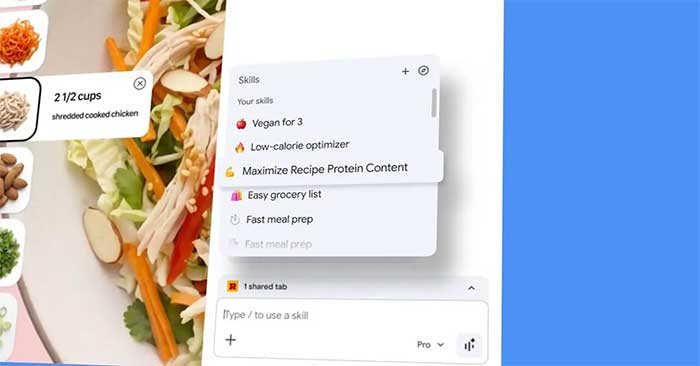
Turn a repeatable Gemini in Chrome prompt into a named Skill, run it on the active page or selected tabs, and design safer outputs with clear constraints.

Understand how studio headphones differ from consumer models, when to choose closed-back, open-back, or in-ear monitors, and what impedance can—and cannot—tell you.
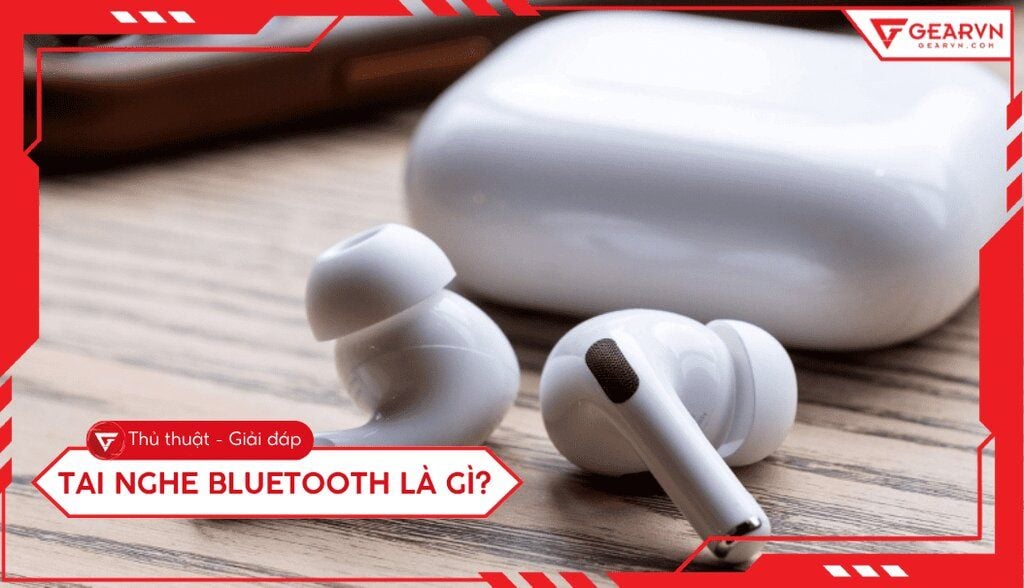
Compare true wireless, over-ear, on-ear, and neckband designs, then evaluate fit, battery, microphones, latency, codecs, multipoint, and water resistance.

Limit Gemini and smart features in Gmail, Workspace, Chrome, and Google Search, including what can and cannot be disabled.

Install Claude Code in VS Code, give it useful project context, review multi-file edits, run tests, and control permissions safely.
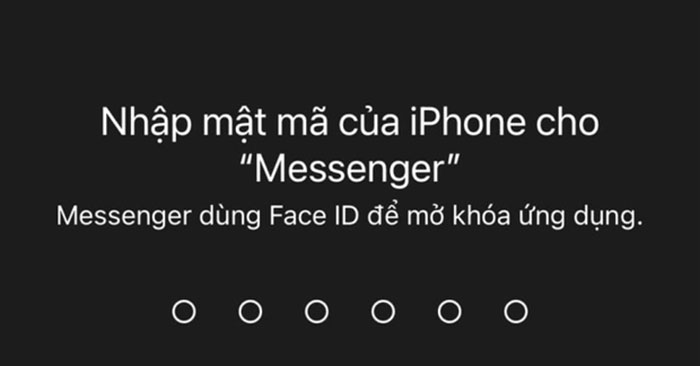
Set up Messenger secure storage with a PIN or recovery key so you can restore encrypted chat history on a new device.

Compare 10 Claude Code repositories for workflows, skills, subagents, templates, and agent internals, with guidance on choosing and installing them safely.
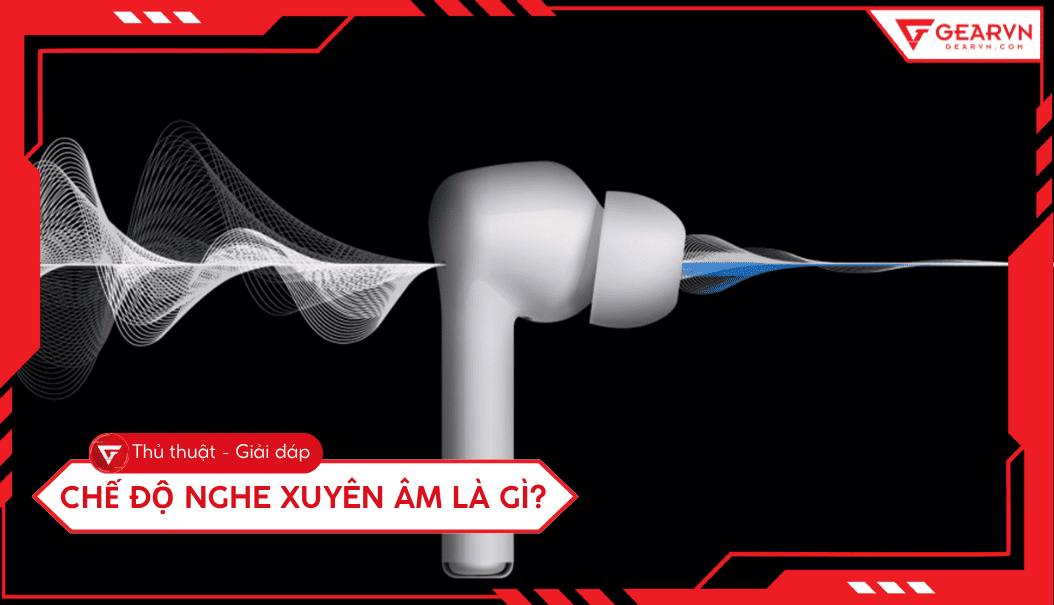
See how headphone transparency mode uses microphones to let outside sound in, how it differs from ANC, and what to test before buying.
Use Excel COUNTIF to count text, numbers, dates, comparisons, wildcards, and cell-reference criteria, with fixes for common formula errors.

Try reported Tiểu Yêu Tầm Đạo gift codes, redeem them through the User Center, collect rewards from Mail, and troubleshoot invalid-code errors.