11 Ways to Open the Recycle Bin in Windows 11 and 10
Open the Windows Recycle Bin from the desktop, Search, File Explorer, Run, Start, or a command, and restore its icon if it is missing.
Fix Windows problems, troubleshoot devices, understand AI, secure your accounts and get more from your technology with tested step-by-step guides.

Open the Windows Recycle Bin from the desktop, Search, File Explorer, Run, Start, or a command, and restore its icon if it is missing.

Understand ChatGPT workspace agents, their connected apps, skills, memory, schedules, sharing, permissions, testing, and safe rollout.
Turn a reading passage into editable open-ended questions in Twee, adjust the learner level, check question quality, and share the activity.

A practical framework for AI product design: define outcomes, map uncertainty, build feedback and recovery paths, evaluate quality, and monitor impact.
Generate level-appropriate English discussion questions in Twee, add target vocabulary, edit weak prompts, and turn the result into a classroom activity.
Use AI as a questioner, critic, and production assistant while preserving problem framing, independent ideas, judgment, and responsibility.
Use Twee to generate a level-appropriate classroom dialogue from a topic or source text, then edit the result for natural speech, useful vocabulary, and a clear speaking task.
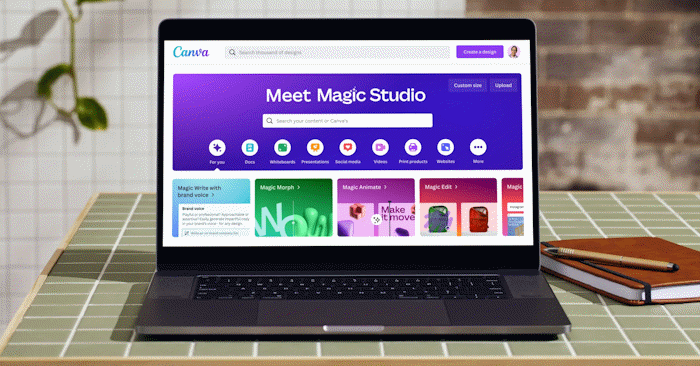
Translate selected pages or an entire Canva presentation, preserve a copy of the source design, and check terminology, layout, fonts, and reading order before sharing.
Understand direct and indirect prompt injection, when it can cause real harm, and how users and organizations can reduce exposure with permissions, confirmation, isolation, and monitoring.

Upload a room photo, define the layout and furniture constraints, generate design variations, and turn the best concept into a measured plan without mistaking an AI image for a construction drawing.
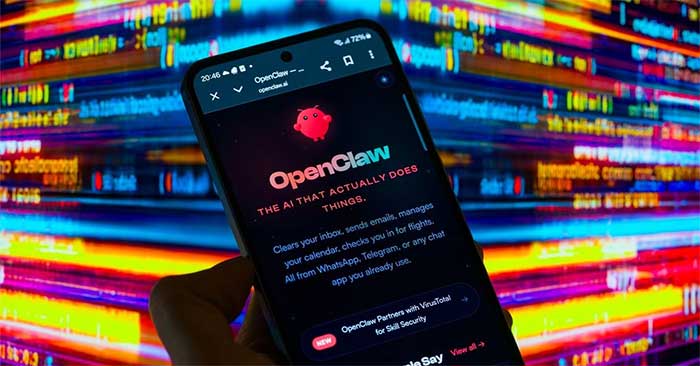
See where OpenClaw can help with alerts, coding, research, memory, multi-agent work, and business operations, plus the permissions and review controls each workflow needs.

Upload a clear palm photo, ask ChatGPT for a transparent explanation of traditional palmistry symbolism, and keep the result separate from medical, financial, or life decisions.
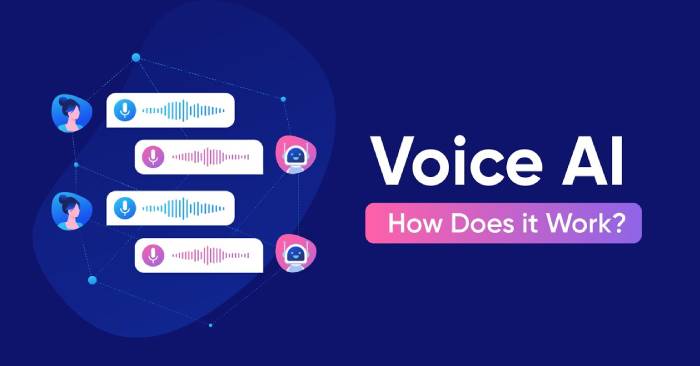
Understand chained and speech-to-speech voice agents, how they detect turns and interruptions, where delay appears, and what to measure before putting a system on real calls.
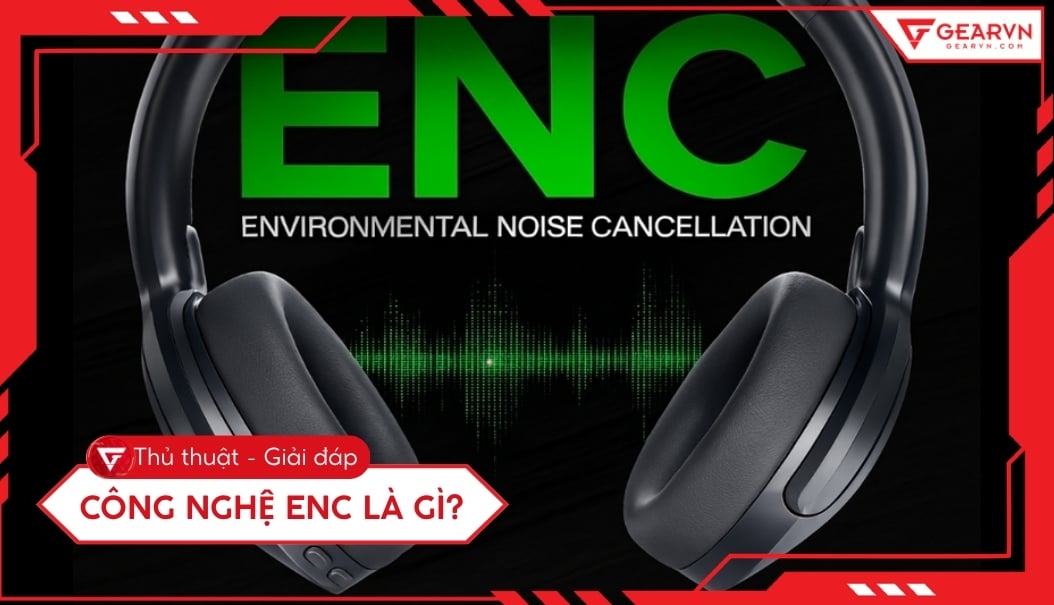
Learn what manufacturers usually mean by ENC, how microphone noise reduction differs from ANC and passive isolation, and how to test call quality before choosing a headset.
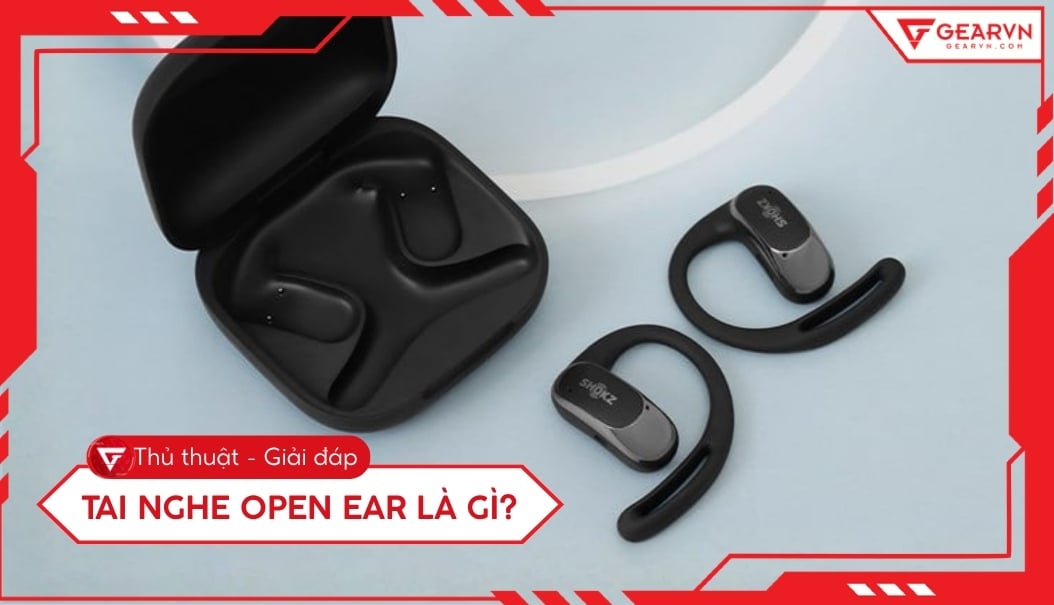
Compare air-conduction and bone-conduction open-ear headphones, understand their awareness and sound trade-offs, and choose a secure, practical pair for sport, work, or daily listening.

Define a narrow call workflow, choose a voice architecture, design prompts and tools, add human handoff and compliance controls, and test the agent before a limited production rollout.

Understand where Claude Dispatch tasks run, what syncs through Anthropic, how local files and connectors expand access, and which device, permission, retention, and network controls still matter.
Test your knowledge of ScratchJr block categories and learn what Triggering, Motion, Looks, Sound, Go Home, and Reset Size blocks do.
Check your understanding of adding, deleting, and programming multiple ScratchJr characters, then review the correct answers and a short practice activity.
Review the ScratchJr interface, characters, block categories, scripts, triggers, and project creation with ten beginner questions and clear answers.