Table of Contents
This updated guide explores not AI, actions is the photoshop feature that users love with practical details, clear explanations, and useful takeaways. Adobe Photoshop's AI features help speed up long workflows - but Photoshop Actions have been doing it for decades. Hidden away in the app, Photoshop Actions is a beloved feature of the popular photo editor that speeds up workflows without the need for AI.
What Are Photoshop Actions?
Photoshop Actions have been a feature of Photoshop since 1996, but they're often overlooked as a useful tool. Long before AI came to Photoshop, Actions offered ways to quickly process your editing work with just one choose.

Simply put, Photoshop Actions are saved recordings of editing processes. With each process, you can press Play and the process — or Action — will start and apply itself to any open projects in your Photoshop window. Using Actions is a huge time saver, especially for repetitive or batch editing tasks.
Why Use Actions?
Many people use Photoshop Actions for the same reasons they might create and use Lightroom Presets to edit photos - to save time on tedious tasks.
While it does not do as much heavy or detailed photo editing as Photoshop, you can use it for many repetitive tasks. Every day, you need to crop and resize images. While this isn't a particularly long task, it is repetitive because you have to do it over and over again.
With a Photoshop Action, you can press Play, and the entire image is resized and cropped to the correct aspect ratio and dimensions, saving you about a minute each time. The time adds up.
Note: Actions are similar to, but different from, Quick Actions in Adobe Express and Presets in Lightroom. Still, using any of these features lets you automate tedious design processes.
Where Are Photoshop Actions Located?
Photoshop Actions are available in the Actions panel. You can find it by selecting Window > Actions and the panel will appear on the toolbar along the right side of your workspace. Its icon is a triangular Play button.

The Actions panel includes default actions listed, such as Vignette; Custom RGB to Grayscale; Gradient Map, or Save as Photoshop PSD. Whether you find the default actions useful or not, you can easily record, edit, and add your own actions for use from within the Actions panel.
Record Actions to Apply to Next Project
Creating your own Photoshop Actions is easy, but you can download or purchase Action packs from third parties if you do not want to spend time creating your own.
To create your own Photoshop Actions, choose the Create New Action icon from the Actions panel, name the action as you want (you can change it later), and select Record.
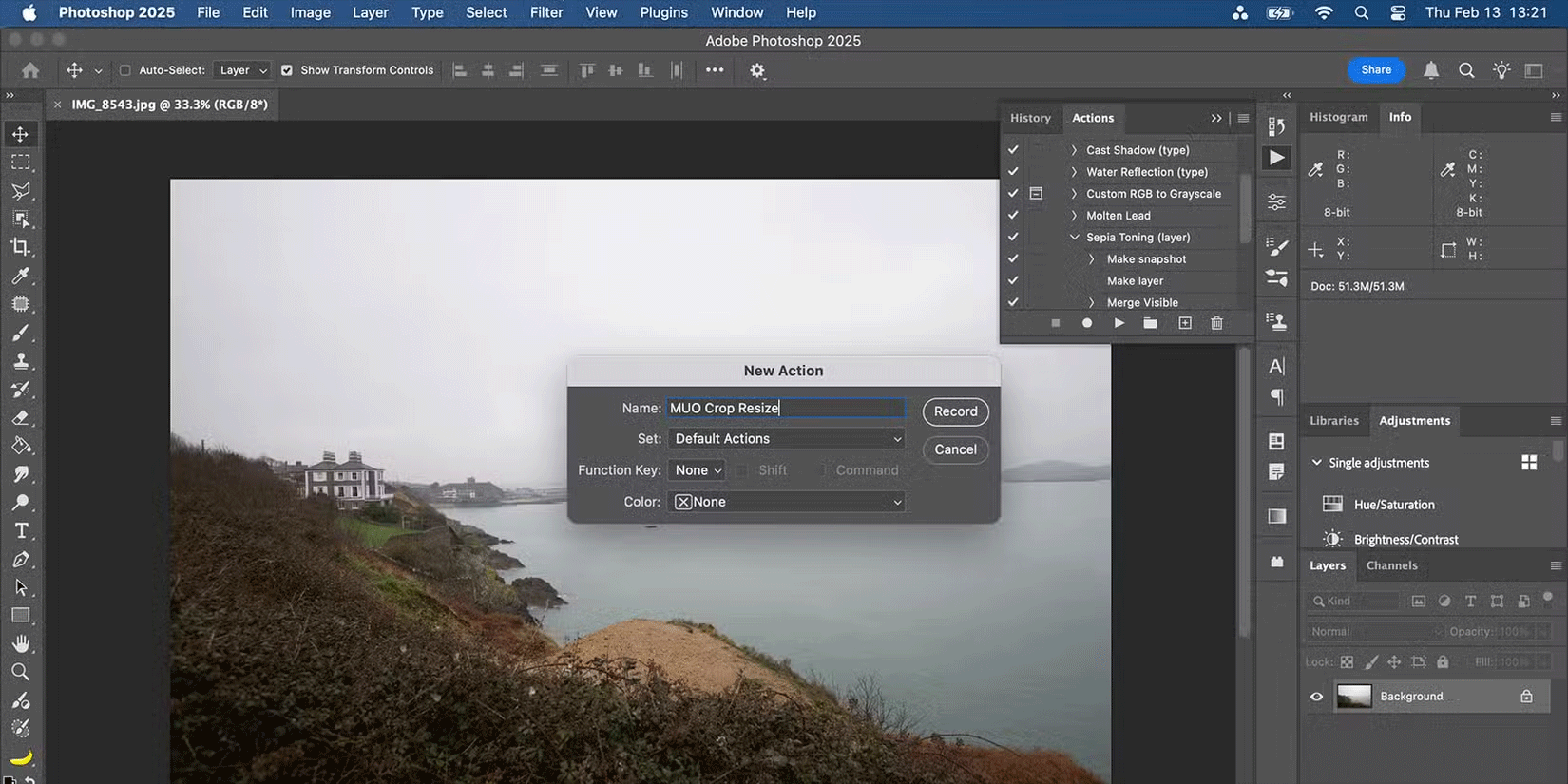
This window will instantly record every step you take in the Photoshop window. Apply any edits you want to your current Photoshop project until it is complete. Select the Stop icon when you're done; this will save your process as an action.
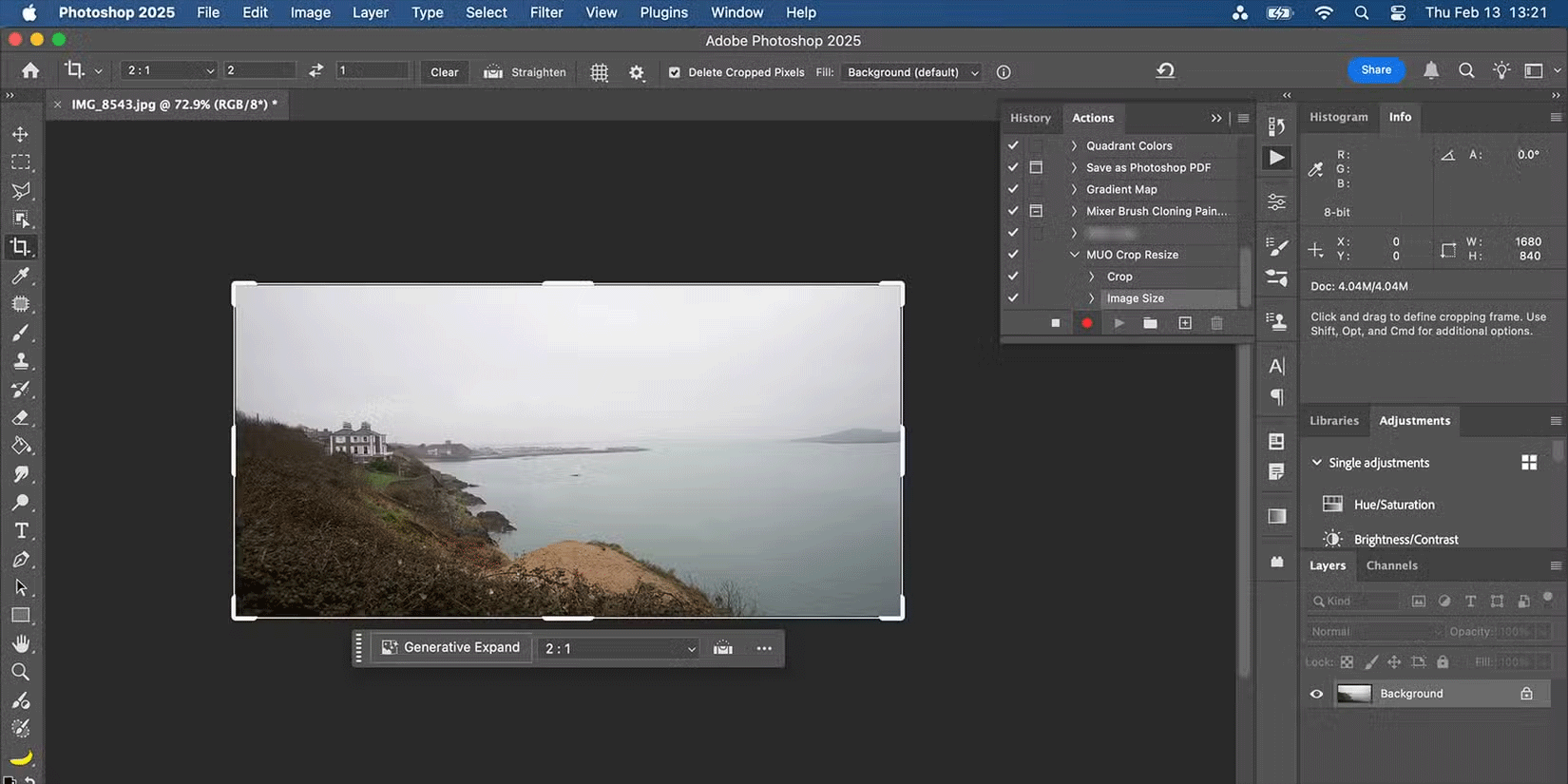
Tip: Every action is recorded, including opening menus, tapping Undo, and going back. You can delete recorded incorrect steps to ensure your new action only includes the steps necessary to complete the process.
To use Photoshop Actions later, open your image. Then, select your chosen action from the Actions panel and press Play. Once complete, the recorded editing process has been applied to your Photoshop project in less than a few seconds.
AI tools aren't always better than traditional Photoshop features, but you do not have to choose one over the other. AI tools in Photoshop have their uses. Older features like Photoshop Actions shouldn't be dismissed as anything new or exciting. On the contrary, they save many time and let you quickly perform boring, repetitive tasks.
FAQ
What is the main takeaway about Not AI, Actions Is the Photoshop Feature That Users Love?
The key is to understand the core idea, compare the available options, and apply the practical guidance that matches your situation.
What should beginners know about Not AI, Actions Is the Photoshop Feature That Users Love?
Start with the essential steps and terminology. Avoid changing advanced settings until you understand how they affect performance, privacy, cost, or compatibility.
How can I use this information in practice?
Follow the relevant section in order, test one change at a time, and confirm the result before moving to the next step or recommendation.
Related Articles
 How to enable and disable AI Actions in Windows 115 minutes read
 How to Automate Photoshop with Photoshop Scripts11 minutes read
 How to Create Actions in Photoshop for Batch Processing Images3 minutes read
 10 Free Websites to Help You Become a Photoshop ''master''7 minutes read
 How to Use Photoshop CS5 - Part 17: Batch Image Processing with7 minutes read
 Top 20 New Features in Photoshop Cc 20203 minutes read
Reader Comments 0
Sign in with email or Google to join the discussion.