Table of Contents
Potatoes, garlic, and whole winter squash can keep well in a cool, dark storage area. Beets and carrots generally keep better in the refrigerator. Actual storage time depends on how fresh they were at purchase, whether they’re damaged, and how warm your home is.
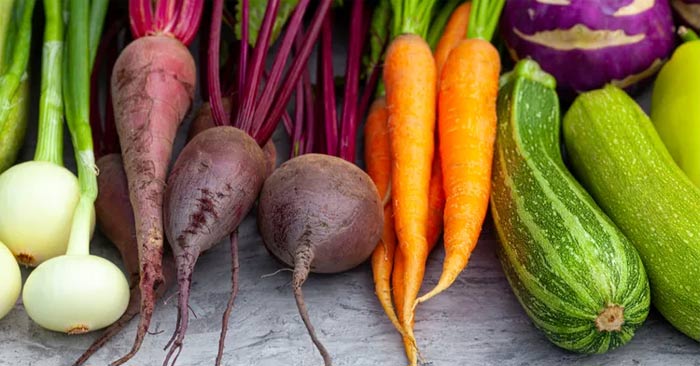
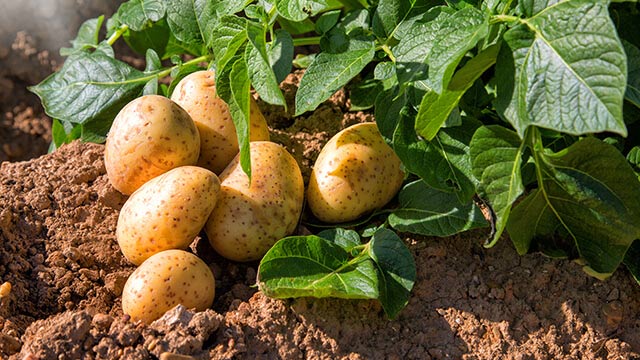
Potatoes and garlic: Keep whole and dry
Store potatoes in a cool, dark, ventilated spot. A breathable container helps avoid trapped moisture. Check the bag regularly and discard potatoes that are badly green, soft, or heavily sprouted. Keep whole garlic bulbs in a dry, ventilated area and separate cloves as you need them.
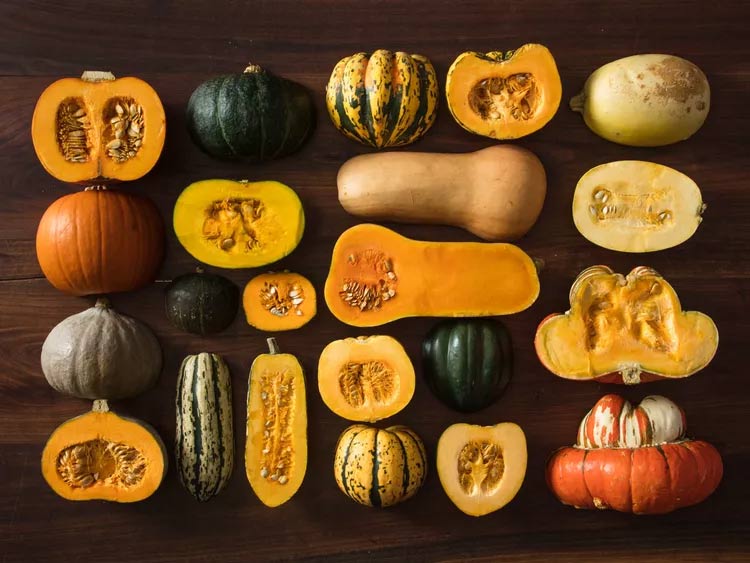
Winter squash: Store whole and check the skin
Choose intact, hard-skinned winter squash such as butternut or acorn squash. Keep it dry and use damaged specimens first if they are still sound. Summer squash such as zucchini has different storage needs and a shorter shelf life. Refrigerate cut squash.
Beets and carrots: Refrigerate the roots
Remove leafy tops and refrigerate the roots in your produce drawer. A bag that retains some moisture can help prevent shriveling. Check for excess condensation, and discard produce with mold, slime, or spreading rot. Wash the roots under running water just before preparing them.
Use Utah State University Extension’s storage chart to compare ideal conditions. If you are storing other produce too, see more ways to keep vegetables fresh.
Related Articles
 10 most pesticide-free vegetables and fruits
 18 tips to help preserve vegetables for a long time
 Do not confuse the vegetables as weeds, you will be shocked to know its miraculous use!
 Miraculous healing ability of spinach, vegetables are often present on the family's tray
 Great reasons you should eat vegetables daily
 You are curious, how the ancestors of today's vegetables are shaped
Reader Comments 0
Sign in with email or Google to join the discussion.