Table of Contents
Parallels Desktop lets Mac users run supported operating systems in virtual machines. On Apple silicon Macs, operating-system images and compatibility differ from those used on Intel Macs. Check the current Parallels Desktop product information and its support documentation for supported Windows and Linux versions before installing. A virtual machine is separate from a Boot Camp installation and does not replace macOS.
Before you start
- Confirm that your Mac model, macOS version, and the operating-system image are supported by your current Parallels version.
- Download Parallels Desktop and the operating-system image only from their official sources.
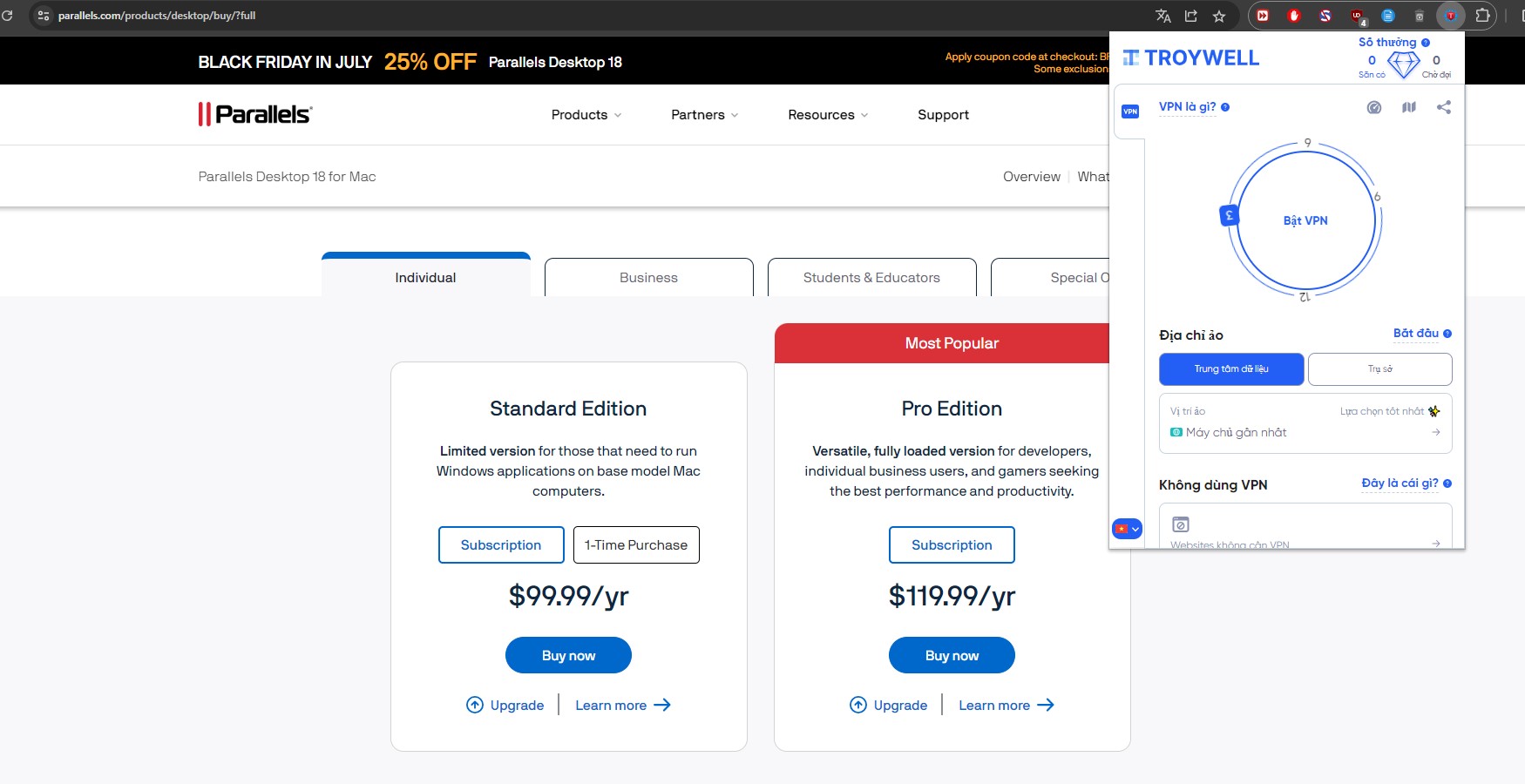
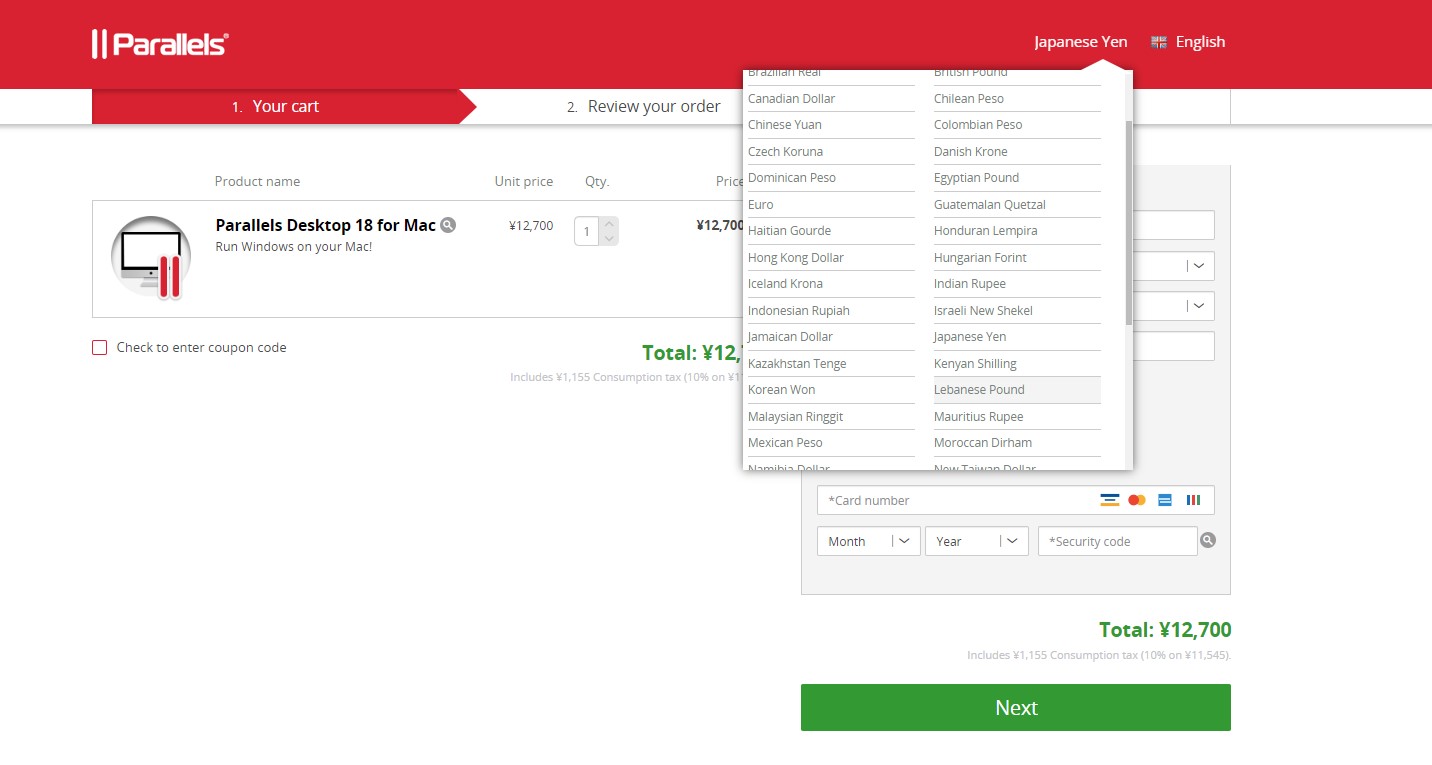
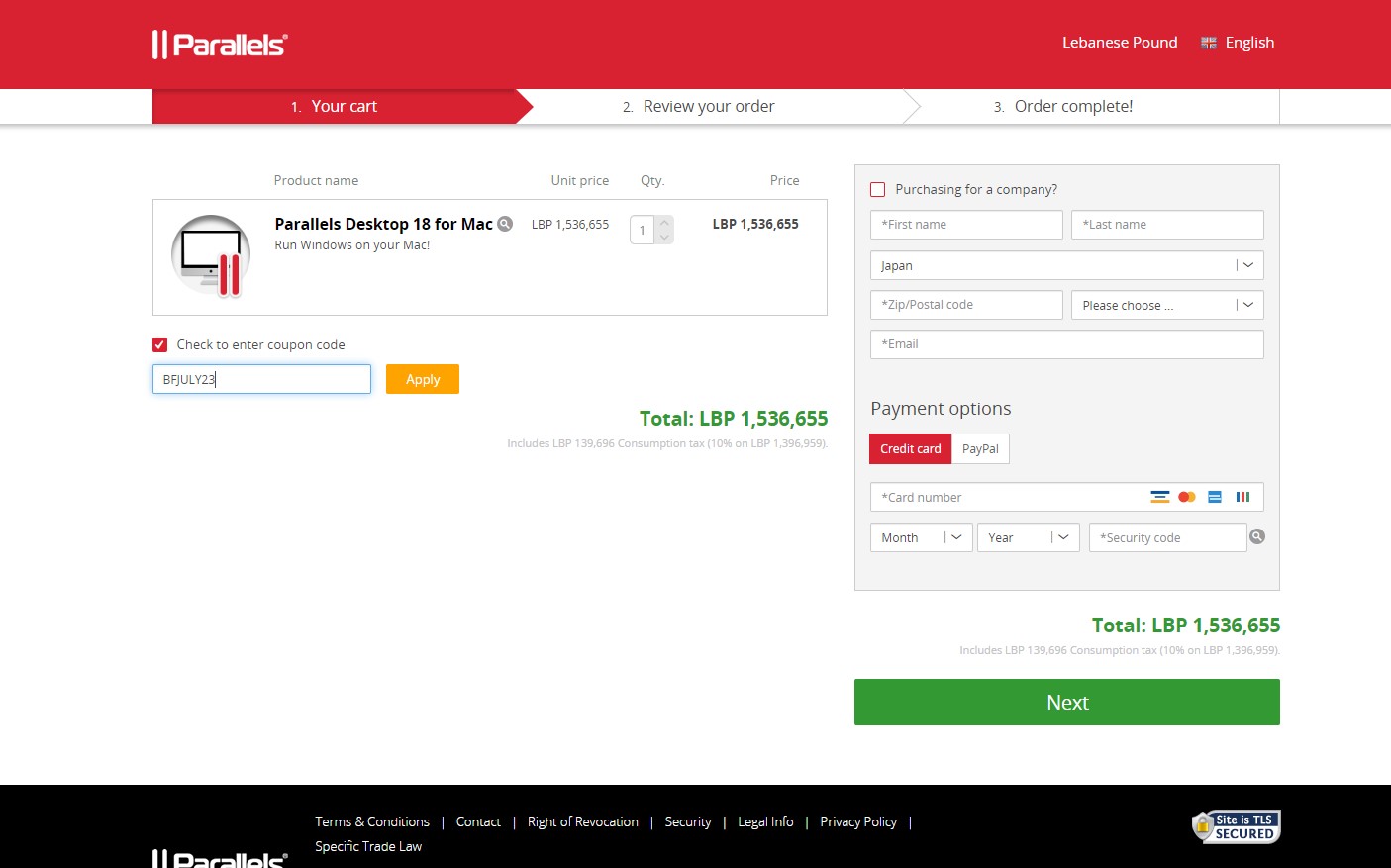
- Review the license terms and the price shown for your region at checkout. Product editions, subscriptions, discounts, and prices change; old coupons, currency conversions, and screenshots are not reliable purchase instructions.
- Make sure you have enough free storage and memory for the virtual machine and the apps you plan to run.

Set up a virtual machine
- Install the current Parallels Desktop release from its official source and open it.
- Choose the option to create a new virtual machine. Select an operating-system image that Parallels currently lists as compatible with your Mac.
- Follow the setup prompts to download or select the image, then allocate storage and memory. You can adjust these settings later, but leave enough resources for macOS.
- Complete the operating system's setup inside the virtual machine. Follow its own licensing requirements for Windows or other software.
- Install updates and Parallels Tools or the equivalent integration components when prompted by the app.
The original screenshots below show an older checkout and setup flow. Their prices, discount codes, currency choices, and interface may no longer apply; use current official instructions instead.


Check compatibility before installing apps
A virtual machine may not support every operating system feature, driver, or application. Windows and Linux software built for a different processor architecture may need a compatible version or translation layer, and performance varies by Mac and workload. Verify the requirements for the particular app and guest operating system with their vendors.
Related Articles
 Instructions for running Windows 11 on a Mac with Parallels 17
 How to install Ubuntu in parallel with Windows using USB
 Install Windows on Mac with Parallels Desktop 9
 How to Install Ubuntu 26.04 LTS on a PC or Laptop
 Parallels Desktop 18 is out and ready for macOS Ventura
 How to Install Ubuntu Linux Without CD (Windows)
Reader Comments 0
Sign in with email or Google to join the discussion.