Table of Contents
This updated guide examines How to Design Business Cards in Microsoft Word and organizes the essential facts, background, and practical takeaways in clear American English.
- 13 beautiful event invitation card templates in Microsoft Word
- Instructions for creating Business Card in Photoshop
- How to insert text into images on Word
Use business card template in Word
Before embarking on designing a business card, you need to know the necessary content of a business card. Although the content on business cards may be slightly different depending on the occupation of each person, you basically need to:
- First and last name
- Job Title
- Address
- phone number
- Website URL
- Company's logo
To use an existing business card template, open Microsoft Word, go to the File tab and select New from the left pane.

In the search bar at the top of the window, type ' Business Cards '.

You will see a series of business card templates appear.
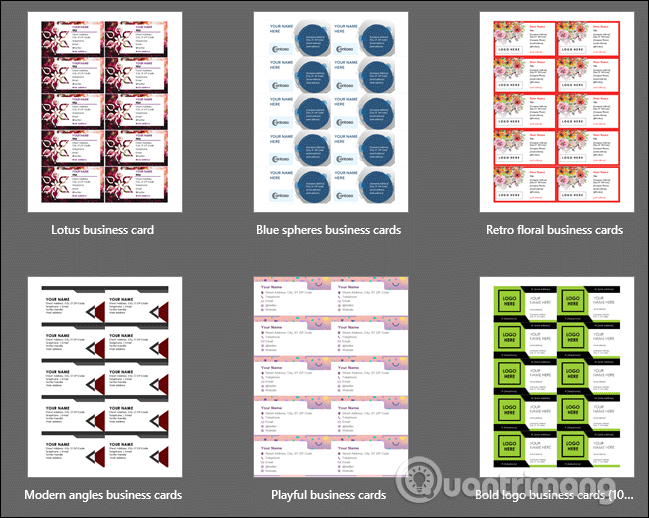
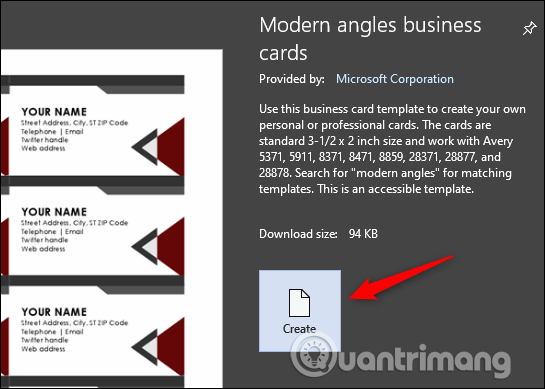
Search in the template business card library you like. When you click on a business card, you will see a preview window showing a detailed description of the business card. If you like, click Create .
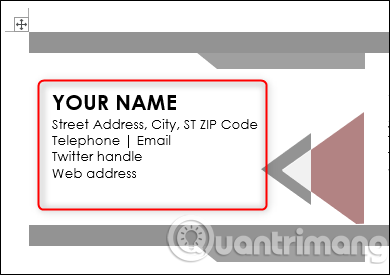
Now you just need to type your information and that's it.
Create business cards from scratch in Word
If you can't find a template, you can design your own business card using tables, add images and format the appropriate text.
First, open an empty Word document, go to the Insert tab and then click Table .

On the drop-down menu, select the 2x4 panel by hovering over and selecting the corresponding box. You can create more rows if you like, but the 2x4 size will fit into one page.

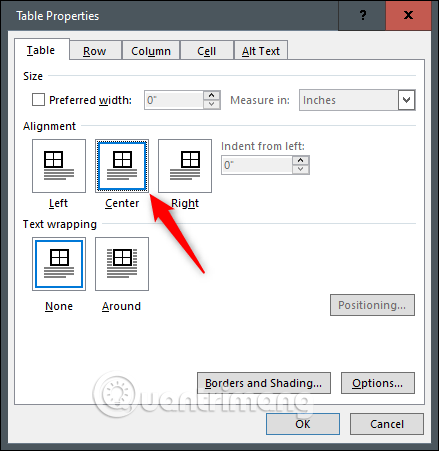
On the table that appears, right-click on the cross icon and select Table Properties from the context menu.

On the Table Properties dialog box, select the Table tab, then select Center in the Alignment section so that your business card looks nice and balanced on the page.
Next, access tab Row , select Specify height and set the height to 2 inches and then select Exactly for row height.
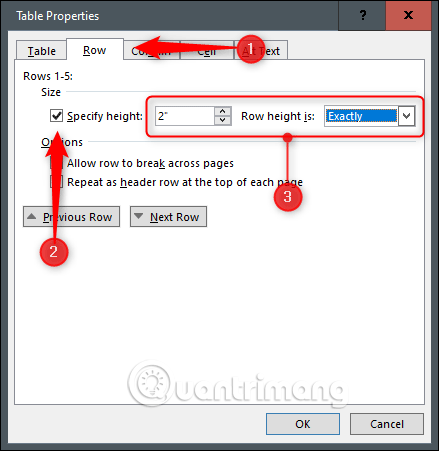
Now, switch to the Column tab, select Preferred width , leave the width to 3 inches and then click OK .

Your table will now be resized to fit the standard business card size. However, here the table is slightly wider than the allowable level.
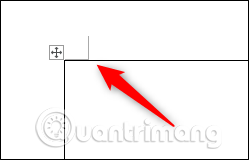
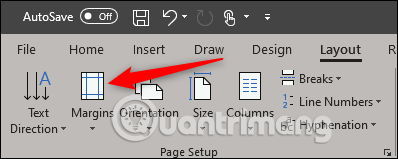
To fix this problem, visit the Layout tab and then click the Margins button.
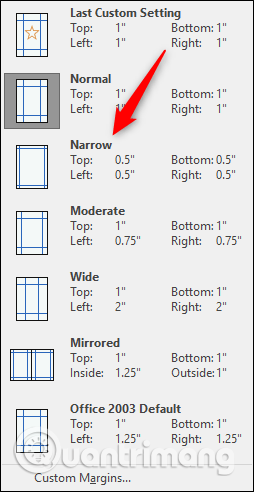
Select Narrow from the drop down menu.
Your business card will be in the page margin.
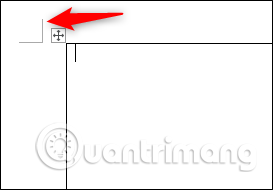
Now, just fill in the information, use the format tool to format the text, add images.
I wish you all success!
FAQ
What is How to Design Business Cards in Microsoft Word about?
It provides a structured overview of Create business cards in word, explains the main context, and highlights practical takeaways for readers.
Why does this topic matter?
Understanding the main concepts helps readers evaluate the issue, avoid common mistakes, and make better-informed decisions.
How should readers use this information?
Use the guidance as a practical starting point, confirm details that may have changed, and follow current product, safety, or security recommendations.
Related Articles
 How to Make Business Cards in Microsoft Word9 minutes read
 Instructions to Design Business Cards on Word Extremely Fast and Beautiful7 minutes read
 How to Design a Business Card in Powerpoint8 minutes read
 Unique Business Cards of 12 Famous Businessmen3 minutes read
 How to Reformat a Word Document Using the Design Tab6 minutes read
 Click: How to Make a Monogram5 minutes read
Reader Comments 0
Sign in with email or Google to join the discussion.