Table of Contents
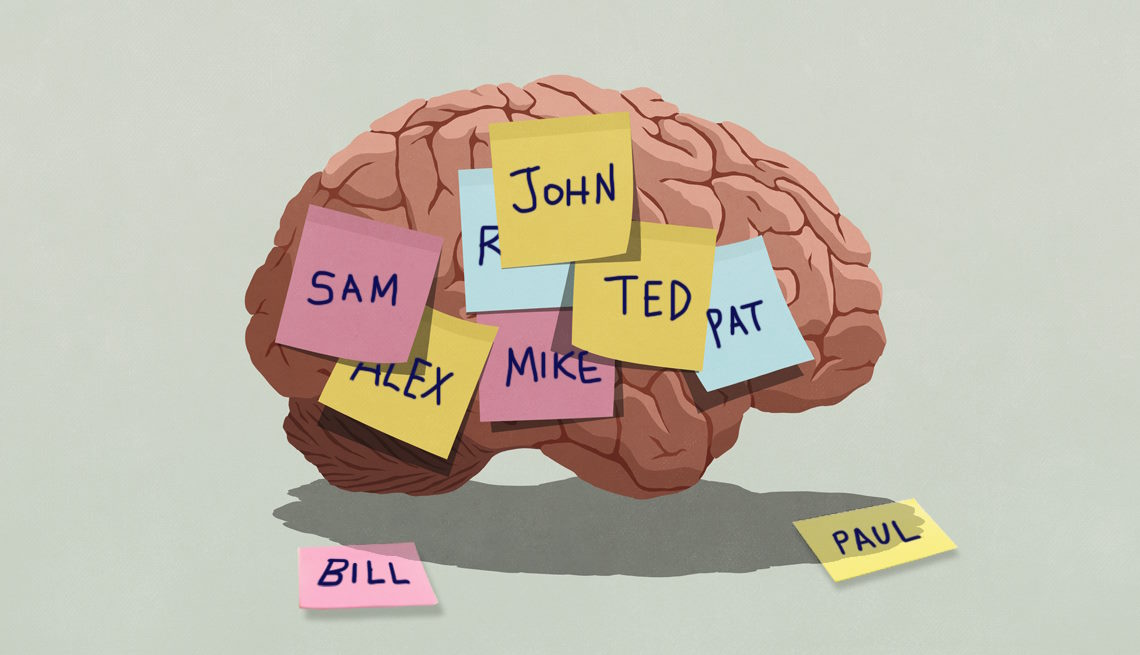
You can recognize someone as familiar while being unable to retrieve their name. Those are different memory tasks. A name may also have received little attention when you first heard it, leaving fewer clues to help you recall it later.
Occasionally forgetting a name does not by itself show that you do not care about the person or that you have a memory disorder. It also should not be used to dismiss a noticeable change in your memory.

Attention affects what you remember
At an introduction, you may be thinking about what to say, listening through background noise, or meeting several people at once. If you do not clearly hear and attend to the name, recalling it later becomes harder. It is reasonable to ask someone to repeat it rather than pretending you caught it.
The Baker-baker paradox
Remembering that someone is a baker can be easier than remembering that their surname is Baker. An occupation connects to familiar ideas such as bread, ovens, and work. A surname can function as a comparatively arbitrary label.
This pattern was studied in experiments comparing names and occupations. Later research on meaningful associations explored why the distinction matters. It is a memory phenomenon, not a syndrome that a person “suffers from.”
Why hearing a name once may not be enough
Without later use, a new name may be difficult to retrieve. Repeating it naturally can help you check pronunciation, but repeatedly inserting it into every sentence is unnecessary. Try recalling the name after the conversation rather than only rereading or rehearing it.
Research on retrieval practice for proper names found benefits from testing recall compared with restudying in experimental tasks. That supports practicing retrieval, but it is not a guarantee that a particular trick will work every time.

A simple routine for introductions
- Pause competing tasks and listen to the name.
- Repeat it once to confirm: “Good to meet you, Maya.”
- Link it to an appropriate detail from the conversation, such as the project you discussed.
- Afterward, try to recall the name without checking. If needed, consult an authorized contact list or a brief private note.
- If you forget, ask politely. A direct reminder is usually better than guessing.
When to seek advice
Stress, tiredness, and other circumstances can affect concentration, but an article cannot identify the cause of an individual's memory difficulty. The National Institute on Aging recommends discussing noticeable memory changes with a clinician, especially when they interfere with everyday activities. Repeated confusion, getting lost in familiar places, or difficulty following familiar tasks deserves assessment rather than reassurance based only on a common name lapse.






Reader Comments 0
Sign in with email or Google to join the discussion.