Table of Contents
Explore medieval 'supership' discovered in denmark, including the key concepts, practical examples, important considerations, and useful guidance.
Archaeologists have discovered a massive shipwreck lying at the bottom of the Øresund Strait (separating Denmark and Sweden). This 600-year-old vessel is a Cog : a type of round-hulled ship equipped with a square mast, one of the most advanced ship designs of its time. Measuring approximately 28 meters in length and 9 meters in width, it is the largest Cog ever discovered, according to the Danish Viking Ship Museum.
A new milestone in maritime archaeology
The ship was dubbed a "super ship" of transport, capable of carrying hundreds of tons of goods at low cost during the trade boom of the 14th and 15th centuries.
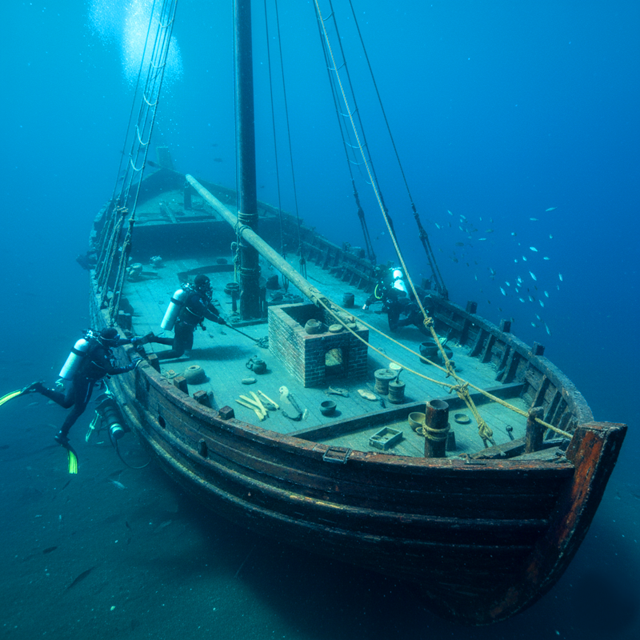
Otto Uldum, head of the excavation team, said: "This discovery is a milestone for maritime archaeology. It offers a unique opportunity to learn about shipbuilding techniques and life on those giant medieval merchant ships."
Secrets hidden beneath the mud and sand
The shipwreck was discovered by chance during a seabed survey for the construction of a new artificial island off the coast of Copenhagen. Researchers removed layers of sand and silt accumulated over centuries to reveal the hull, naming it Svælget 2 .
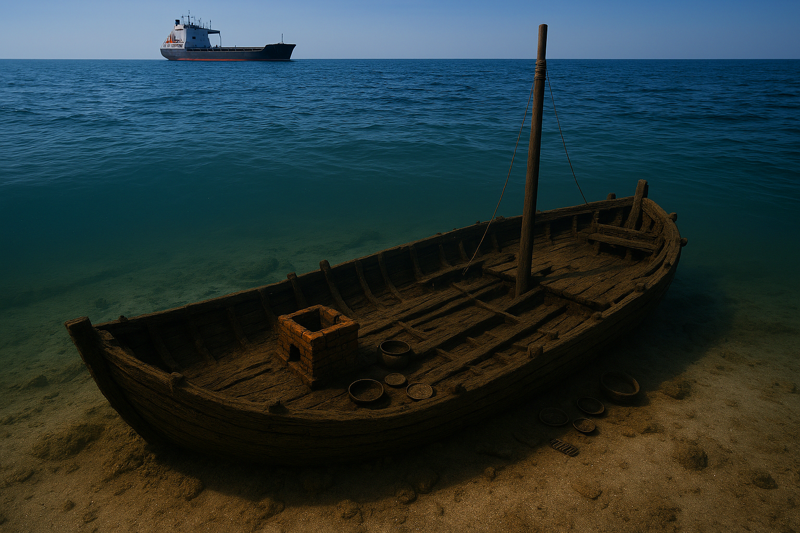
Located 13 meters below the surface, Svælget 2 is remarkably well-preserved. The sand has protected the starboard side of the ship, preserving traces of the rigging system – a rarity among previous Cog wrecks. Notably, archaeologists also discovered a brick galley , allowing the crew to cook meals over an open fire at sea. Artifacts recovered include cooking pots, bowls, and personal items such as combs and prayer beads.
Northern Europe timber trade network
Based on dendrochronology (the method of identifying tree rings) , scientists determined that the ship was built in 1410. Analysis showed that the hull planks were imported from Poland, while the ship's frame was made from Dutch timber. This demonstrates the existence of a complex and large-scale timber trade network throughout Northern Europe at that time.
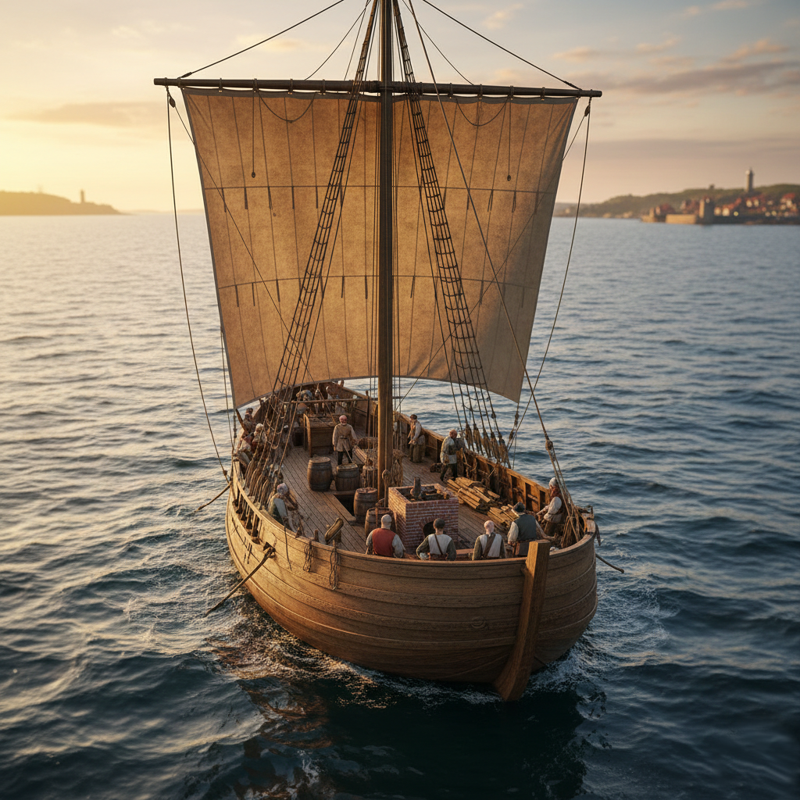
These massive Cog ships were designed for perilous voyages from lowlands (like present-day Netherlands) to Baltic coastal trading towns. They facilitated the transport of large quantities of essential goods such as salt, timber, bricks, and basic foodstuffs – items previously reserved for luxury goods.
Final Thoughts
Understanding medieval 'supership' discovered in denmark makes it easier to evaluate the information and apply the most relevant recommendations. Focus on the key points above and verify details that may change over time.
FAQ
What is medieval 'supership' discovered in denmark?
Explore medieval 'supership' discovered in denmark, including the key concepts, practical examples, important considerations, and useful guidance.
What key points does this article cover?
The article focuses on A new milestone in maritime archaeology, Secrets hidden beneath the mud and sand, Northern Europe timber trade network, with practical explanations and examples.
How can you use this information in practice?
Use the explanations to compare options, verify important details, and make a more informed decision. Apply the recommendations that best match your goals and situation.
Related Articles
 10,000 Medieval Ceramics Were Found at Newport Memorial Hall3 minutes read
 The Forgotten Medieval Village Was Discovered in St Ishmael2 minutes read
 The World's Largest Aircraft Model Completes Its First Journey6 minutes read
 Australia Discovered Dinosaur Fossils Turned into Gems8 minutes read
 The World's Largest Elevator Lift Operates in China3 minutes read
 Why Do So Many Medieval Europeans Sleep in Box Beds?4 minutes read
Reader Comments 0
Sign in with email or Google to join the discussion.