Table of Contents
Cooktop care depends on the surface and fuel type, but a few habits cause avoidable problems: using the wrong cleaner, letting spills bake on, dragging heavy pans and ignoring installation requirements. Follow your model's manual before applying advice intended for a different stove.
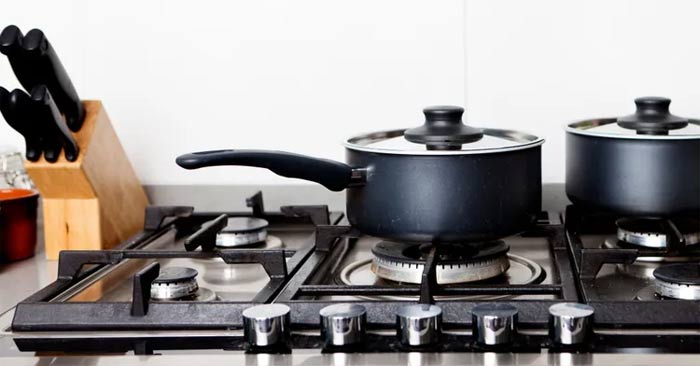
Ignoring installation and ventilation requirements
Required clearances, ventilation, electrical supply and gas connections are model-specific. Have installation and connection work handled by a qualified professional. Keep ventilation openings clear rather than using the space around a cooktop for storage.
Leaving spills until the next cooking session
Food left on a surface can burn on during the next use. For routine cleaning, turn the cooktop off and let it cool as directed by the manual. Remove residue with an approved cleaner and a suitable cloth or pad.
Sugary spills and melted plastic on glass-ceramic surfaces can require special, prompt treatment. Check your manual's procedure; do not wipe a hot surface with a bare hand or improvise with an unsuitable tool. LG's electric-cooktop cleaning instructions distinguish routine cleaning from these exceptions.
On a gas cooktop, clean removable burner parts only as instructed, dry them and refit caps correctly before use. Do not enlarge burner openings or attempt gas repairs as a cleaning step.
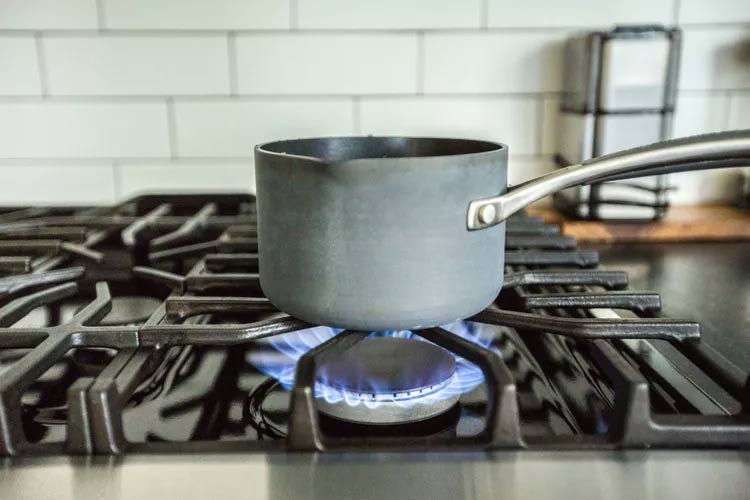
Using abrasive or unsuitable cleaning products
Metal scouring pads and abrasive products can scratch or damage finishes. Choose products approved for your exact surface. A scraper intended for glass cooktops should be used only where the manufacturer permits it and with its specified technique. Never mix cleaning chemicals.
Using cookware that does not fit the cooking zone
Match the pan's base to the burner or cooking zone according to the manual. On induction cooktops, cookware must also be induction-compatible. Keep the base clean and reasonably flat. Avoid oversized cookware that extends over controls or areas not intended to be heated.
For material differences, see aluminum versus stainless steel cookware; material alone does not establish compatibility with your particular cooktop.
Dropping, dragging or forcing cookware
Lift pans instead of dragging them across glass, and lower heavy cookware gently. Keep loose grit and food off the base. Use a heat-resistant lid rest rather than placing hot lids directly on the cooktop, and never force a lid or pan that has become stuck.
If the glass is cracked, stop using the appliance and arrange service. A surface that still heats is not necessarily safe to use.

Ignoring pests, moisture or signs of damage
Keep food debris and standing moisture away from the appliance. If you find rodent damage, damaged wiring, persistent ignition problems or unusual behavior, stop using the affected appliance and seek qualified service. Do not open electrical or gas components to inspect them yourself.
A short routine is usually enough: check that cooking zones are off, let the surface cool as directed, clean residue, dry it and check for visible damage before the next use.
Related Articles
 Pocket experience choosing to buy kitchen from eating good hot pot, cheap for the family
 Beautiful kitchen - The most beautiful kitchen pattern
 The 11 most dangerous items in the kitchen may not be known
 Beautiful and simple modern kitchen design template
 15 designs of a modern white kitchen with elegance, looking mesmerizing
 Very simple tips to help clean infrared kitchen effectively
Reader Comments 0
Sign in with email or Google to join the discussion.