Table of Contents
Explore common misconceptions about the world's most famous cities.
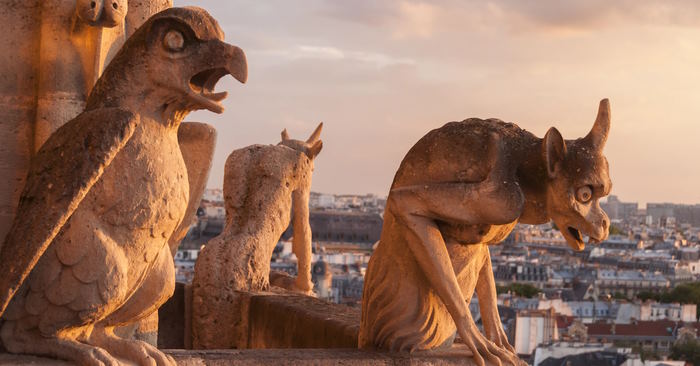
Savvy travelers have probably spent a lot of time visiting the world's most famous cities, whether on vacation or just passing through on their way somewhere else. But even frequent visitors to these cities may not have all the information.
Let's debunk some commonly mentioned but incorrect facts about some famous cities, adapted from the Youtube episode Misconceptions.
Big Ben is the name of a giant clock in London
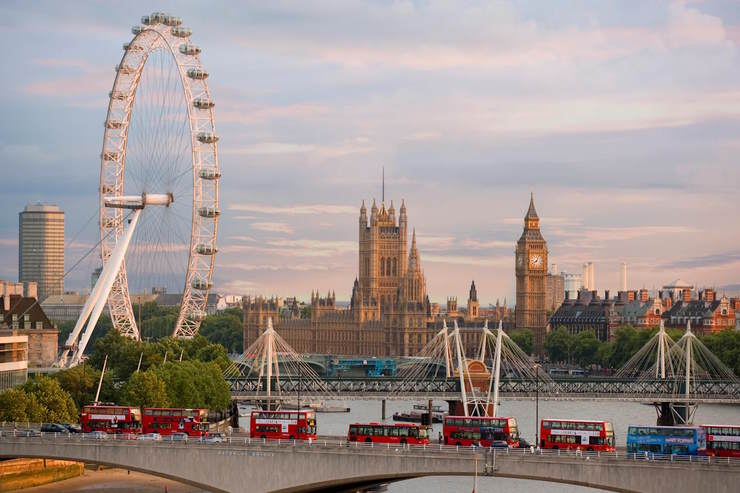
London is England's most famous city, and Big Ben is arguably its most recognizable symbol. Even those who have never been to the UK's capital would immediately recognize the magnificent tower and its massive clock face—except that Big Ben is neither a clock nor a tower. While most tourists have never seen Big Ben up close, they've probably heard of it. The nickname belongs to the large bell that rings out over Westminster every hour.
So if Big Ben is the name of the bell, what is the clock tower called? In Victorian times, it was called St. Stephen's Tower, and in modern times, it is often called the Clock Tower. It wasn't until 2012 that it was renamed the Elizabeth Tower in honor of Queen Elizabeth II's Diamond Jubilee. Although Big Ben is widely accepted as shorthand for the entire structure, St. Stephen's Tower remains its official name.
The London Eye is a Ferris wheel
Big Ben isn't the only often mislabeled landmark in the British capital. Many people mistake the London Eye for a giant Ferris wheel, but it's technically the world's tallest cantilever public observation wheel. Cantilever refers to the way it's built—instead of anchored on both sides, it's supported by a single A-frame on one side. The size and cabin design are what distinguish it from an observation wheel.
While most Ferris wheels are smaller amusement park rides with open-air cabins, observation ferris wheels are typically larger tourist attractions with enclosed glass cabins that allow riders to stand up and move around.
The London Underground system is entirely underground
The London Underground might also be a misnomer. Despite its name, less than half of the London Underground system goes through tunnels. It might be more accurate, but 'London Underground 45%' doesn't sound very appealing.
Chicago's nickname refers to the wind
Speaking of confusing names, 'The Windy City' is probably the most misunderstood nickname of all time. Chicago, Illinois, is famous for its windy weather, which is why many people assume the phrase is a literal reference to the wind.
Historians, however, have a different view. The earliest known use of the nickname was in an 1876 Cincinnati Enquirer article titled: " THE WINDY CITY. Some Curiosities of the Last Chicago Tornado ." According to word expert Barry Popik, the choice of word was intended to mock recent weather phenomena, while also implying that the city was full of talkers.
Etymologists also often cite an 1890 article by Charles Dana, in which the New York Sun editor supposedly described Chicagoans' bid to host the 1893 World's Fair as completely fabricated—though the original article has never been found. Regardless of how the phrase became popular, the "wind" for which the Windy City is famous did not necessarily come from Lake Michigan.
The capital is always the largest city
The capital of the Land Down Under is often confusing to non-Australians. Sydney is Australia's largest and most internationally famous city, but it is not the seat of government. Canberra is not the second, third, fourth, or fifth largest city. Canberra has been the capital since the early 1900s. It was built as a compromise after debates over whether the government should be based in Melbourne or Sydney. With a population of 431,000, only 1.7% of Australians live here.
Rio de Janeiro is also often mistaken as the capital of Brazil. It held that title until 1960, when the capital was moved to Brasília. While Rio de Janeiro's coastal location was convenient for political participation, its coastal location was not convenient for political participation. After decades of planning to move the capital inland, construction of a new city in the center finally began in 1956. Less than five years later, Brasília officially became the capital of Brazil.
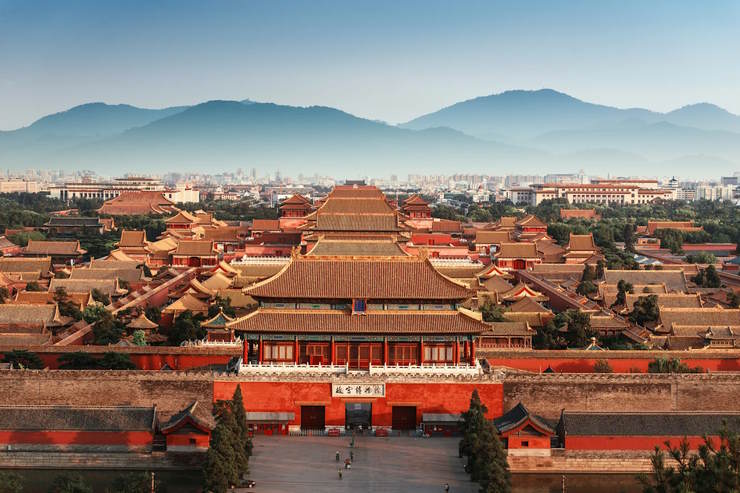
Beijing has the opposite problem. People would be correct in thinking of it as the capital of the People's Republic of China, but they would be wrong in thinking of it as the largest city in the country—Shanghai is the largest.
Final Thoughts
Understanding common misconceptions about the world's most famous cities makes it easier to evaluate the information and apply the most relevant recommendations. Focus on the key points above and verify details that may change over time.
FAQ
What is common misconceptions about the world's most famous cities?
Explore common misconceptions about the world's most famous cities.
What key points does this article cover?
The article focuses on Big Ben is the name of a giant clock in London, The London Eye is a Ferris wheel, The London Underground system is entirely underground, with practical explanations and examples.
How can you use this information in practice?
Use the explanations to compare options, verify important details, and make a more informed decision. Apply the recommendations that best match your goals and situation.
Related Articles
 10 Common Myths About Computers That You Often Believe11 minutes read
 Common Misconceptions About Cancer6 minutes read
 11 Misconceptions About the Most Common Human Body That Billions8 minutes read
 Common Misconceptions About Credit Scores7 minutes read
 15 Common but Misconceptions About Science and Technology16 minutes read
 A Guide to Adding New Cities to Airvisual to See Air Pollution4 minutes read
Reader Comments 0
Sign in with email or Google to join the discussion.