Table of Contents
Explore 40 world-renowned scientists, including the key concepts, practical examples, important considerations, and useful guidance.
Their tireless pursuit of truth, coupled with unwavering curiosity and dedication, propelled humanity forward, paving the way for technological advancements, medical breakthroughs, and a deeper appreciation for the wonders of the natural world.
As we journey through the pages of scientific history, we encounter brilliant figures whose names resonate through the ages, each a beacon of innovation and a source of inspiration in the ever-evolving landscape of human endeavor.
Below are some famous scientists along with their notable inventions or theories:
1. Isaac Newton (1643-1727)
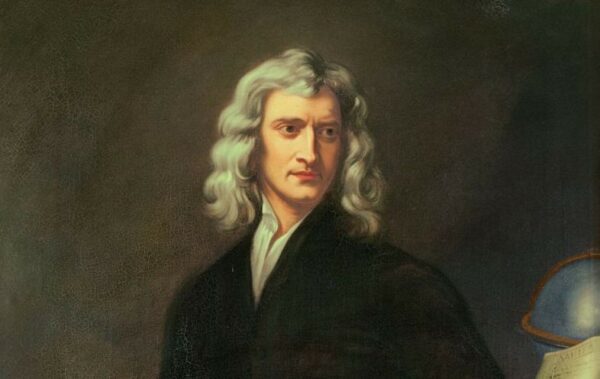
Isaac Newton, the English mathematician, physicist, and astronomer, is one of the most influential figures in the history of science. Born in 1643, Newton's pioneering work laid the foundation for classical mechanics and modern physics.
His most important work, 'Philosophiæ Naturalis Principia Mathematica', published in 1687, introduced the three laws of motion and the law of universal gravitation, completely changing our understanding of the physical universe.
Newton's profound understanding of the nature of light and optics, demonstrated through experiments with prisms and color theory, further solidified his position as a brilliant scientist.
2. Albert Einstein (1879-1955)
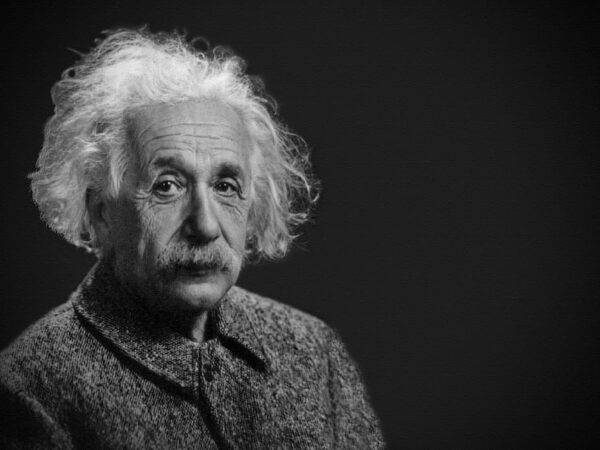
Albert Einstein, born in 1879 in Germany, was a theoretical physicist whose name has become synonymous with genius and scientific revolution. His most famous work, the theory of relativity, challenged long-held beliefs about space, time, and gravity.
In 1905, Einstein published his Special Theory of Relativity, introducing the symbolic equation E=mc², proving the equivalence between mass and energy. Later, his General Theory of Relativity, published in 1915, provided a new understanding of gravity, the curvature of spacetime caused by mass and energy.
In addition to the theory of relativity, Einstein made significant contributions to quantum mechanics and statistical physics, earning him the Nobel Prize in Physics in 1921 for his discovery of the photoelectric effect.
3. Marie Curie (1867-1934)
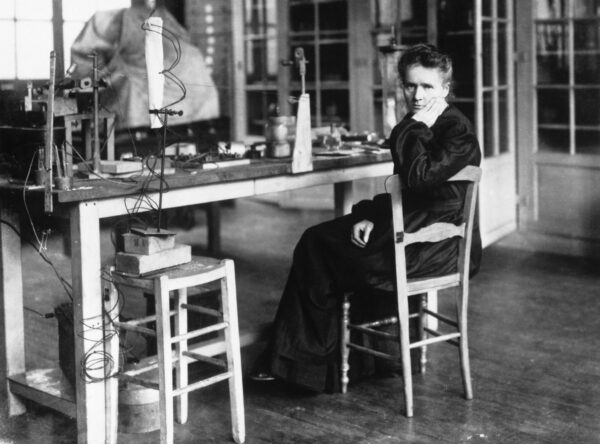
Marie Curie, born in 1867 in Warsaw, Poland, was a pioneering physicist and chemist who made groundbreaking contributions to the field of radioactivity. Together with her husband, Pierre Curie, she conducted extensive research on this phenomenon, discovering the elements polonium and radium.
Her tireless contributions laid the foundation for nuclear physics and modern medicine. Marie Curie was not only the first woman to win a Nobel Prize, but also the only one to win Nobel Prizes in two different scientific fields: Physics (in 1903, together with Pierre Curie and Henri Becquerel) and Chemistry (in 1911).
4. Charles Darwin (1809-1882)
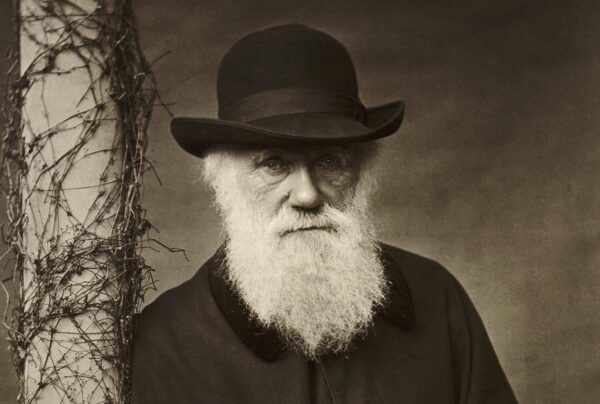
Charles Darwin, born in 1809 in Shrewsbury, England, was a naturalist and biologist whose theory of evolution revolutionized our understanding of the origins of species. His groundbreaking work, most notably presented in his 1859 book "On the Origin of Species," proposed the concept of natural selection as the mechanism driving evolution. Darwin's theory challenged popular notions of the creation of life, which held that species evolved through a process of gradual change and adaptation to their environment.
5. Galileo Galilei (1564-1642)
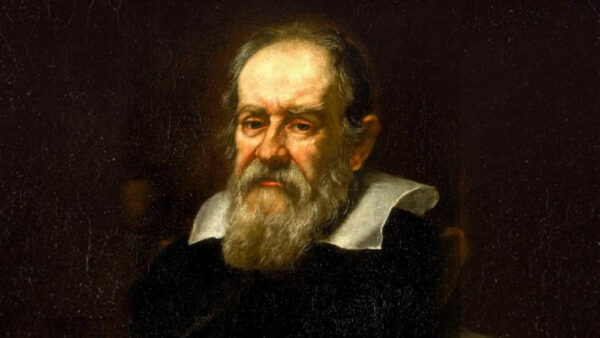
Galileo Galilei, born in 1564 in Pisa, Italy, was a pioneering astronomer, physicist, and mathematician whose contributions laid the foundation for observational astronomy and modern physics. He made significant advances in the development of telescopes, enabling groundbreaking observations of celestial bodies, including Jupiter's moons, the phases of Venus, and craters on the Moon.
6. Nikola Tesla (1856-1943)
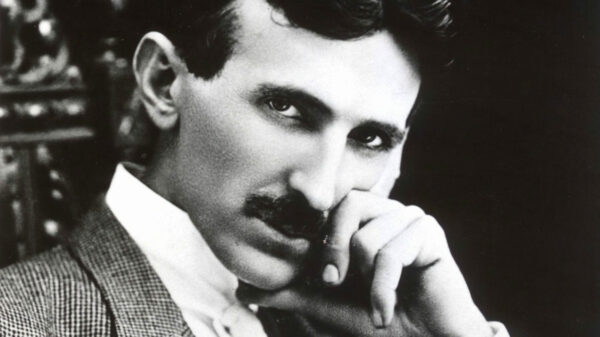
Nikola Tesla, born in 1856 in Smiljan, Croatia (then part of the Austrian Empire, now Croatia), was a brilliant inventor, electrical engineer, and futurist who made groundbreaking contributions to the development of alternating current (AC) systems, wireless communication, and many other technologies. Tesla's inventions and discoveries include the induction motor, the Tesla coil, and the alternating current transmission system, inventions that revolutionized the production and distribution of electricity.
7. James Clerk Maxwell (1831-1879)
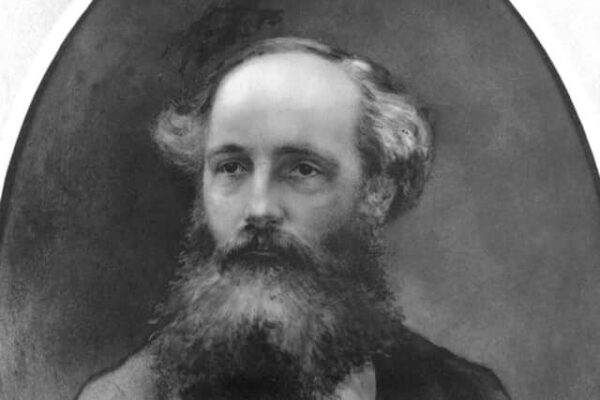
James Clerk Maxwell, born in 1831 in Edinburgh, Scotland, was a pioneering physicist whose work laid the foundation for modern electromagnetic theory. Maxwell's most important achievement was the development of Maxwell's equations, a set of four fundamental equations describing the behavior of electric and magnetic fields and their interactions. These equations unified previously separate phenomena such as electricity, magnetism, and light, demonstrating that they are all manifestations of the same fundamental electromagnetic phenomenon.
8. Thomas Edison (1847-1931)
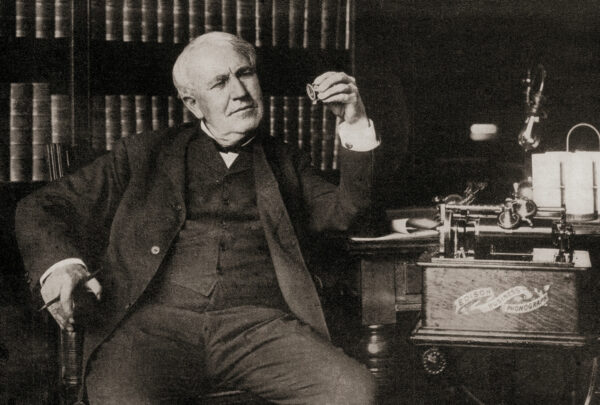
Thomas Edison, born in 1847 in Milan, Ohio, was one of the most influential and productive inventors in history. He is best known for inventing the electric light bulb, a revolution in indoor lighting that changed daily life.
Edison's incandescent light bulb, patented in 1879, used a carbon filament to produce light when an electric current passed through it, offering a practical and reliable alternative to oil and gas lamps. Edison's entrepreneurial spirit and relentless experimentation earned him the nickname "The Wizard of Menlo Park".
9. Alexander Fleming (1881-1955)
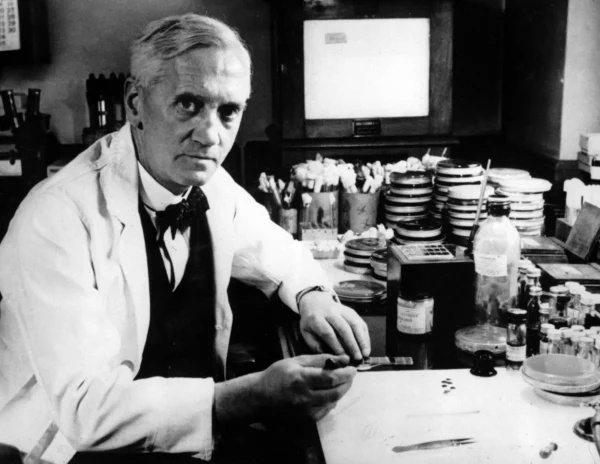
Alexander Fleming, born in 1881 near Darvel, Scotland, was a pioneering bacteriologist and pharmacologist who discovered penicillin, a revolutionary invention in medicine. In 1928, while studying staphylococcus bacteria at St. Mary's Hospital in London, Fleming stumbled upon a mold called Penicillium notatum that inhibited bacterial growth in petri dishes.
This serendipitous observation led to the discovery of penicillin, the world's first antibiotic. Fleming's work earned him the Nobel Prize in Physiology or Medicine in 1945, along with Howard Florey and Ernst Boris Chain, who had developed penicillin for medical purposes.
10. Louis Pasteur (1822-1895)
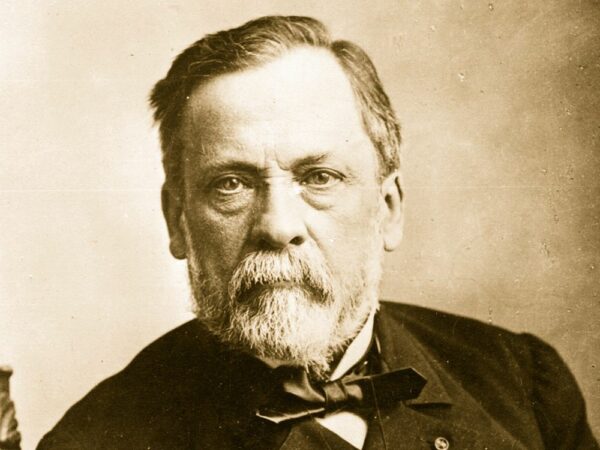
Louis Pasteur, born in 1822 in Dole, France, was a pioneering chemist and microbiologist whose discoveries laid the foundation for modern microbiology and immunology. He is best known for his groundbreaking work on germ theory, demonstrating that many diseases are caused by microorganisms such as bacteria and viruses.
Pasteur's experiments refuted the concept of spontaneous reproduction and established the principle of sterilization to prevent the spread of infectious diseases. Louis Pasteur died in 1895 in Marnes-la-Coquette, France, leaving a lasting legacy of scientific achievement and humanitarian impact.
11. Werner Heisenberg (1901-1976)
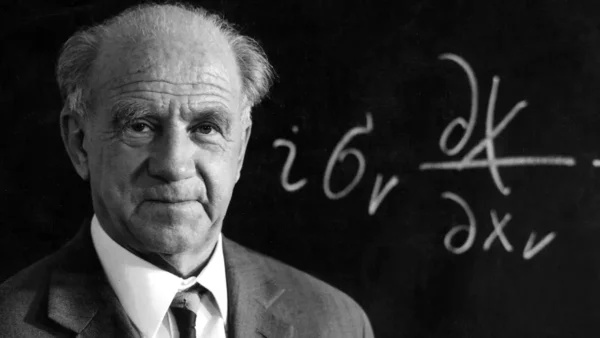
Werner Heisenberg, born in 1901 in Würzburg, Germany, was a pioneering theoretical physicist who made significant contributions to the development of quantum mechanics. He is best known for his work on the uncertainty principle, stating that the more precisely the position of a particle is known, the more difficult it is to know its momentum precisely, and vice versa.
This principle fundamentally changed how physicists understood the behavior of particles at the subatomic level and challenged classical deterministic conceptions. Heisenberg's intellectual legacy and contributions to physics earned him the Nobel Prize in Physics in 1932. He died in 1976 in Munich, Germany, leaving a lasting influence in the field of theoretical physics.
12. Stephen Hawking (1942-2018)
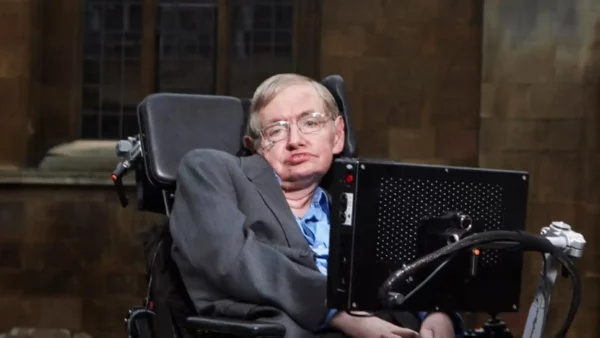
Stephen Hawking, born in 1942 in Oxford, England, was a renowned theoretical physicist, cosmologist, and author. Despite being diagnosed with amyotrophic lateral sclerosis (ALS) at the age of 21, Hawking made groundbreaking contributions to our understanding of the universe. His research focused on the physics of black holes, the nature of spacetime, and the origin of the universe.
Hawking's most notable work, "A Brief History of Time," published in 1988, became an international bestseller and made complex scientific concepts accessible to a wide audience. Stephen Hawking passed away in 2018 in Cambridge, England, leaving a profound legacy as one of the greatest scientific minds of our time.
13. Dmitri Mendeleev (1834-1907)
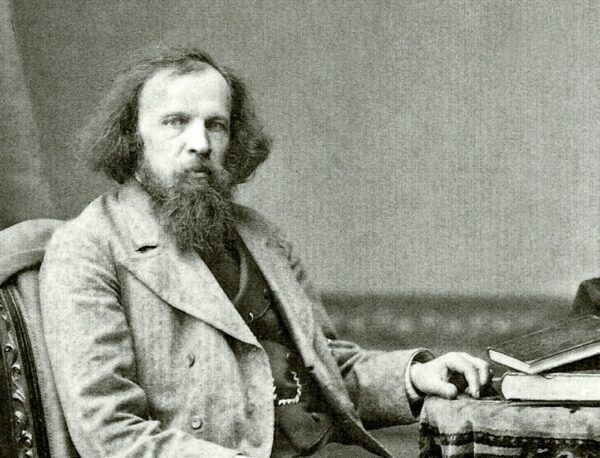
Dmitri Mendeleev, born in 1834 in Tobolsk, Siberia, was a Russian chemist best known for developing the periodic table of chemical elements. In 1869, Mendeleev arranged the known chemical elements into a systematic table based on their atomic mass and chemical properties, arranging them in a way that highlighted periodic trends and allowed for the prediction of the properties of undiscovered elements.
Dmitri Mendeleev died in 1907 in Saint Petersburg, Russia, leaving behind a lasting legacy as one of the most influential figures in the history of science.
14. Max Planck (1858-1947)
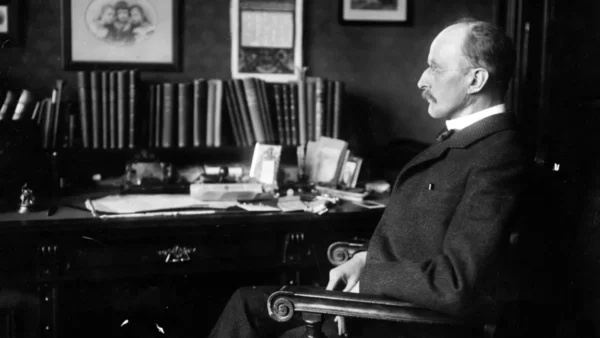
Max Planck, born on April 23, 1858, in Kiel, Germany, was a pioneering physicist, best known for his groundbreaking work on quantum theory. His most important contribution, Planck's quantum theory, revolutionized physics by introducing the concept of quantized energy, rather than continuous energy, challenging classical physics.
Planck's quantum theory laid the foundation for modern quantum mechanics, earning him the Nobel Prize in Physics in 1918. Planck remained dedicated to scientific research and a prominent figure in the scientific community until his death on October 4, 1947, in Göttingen, Germany.
15. Niels Bohr (1885-1962)
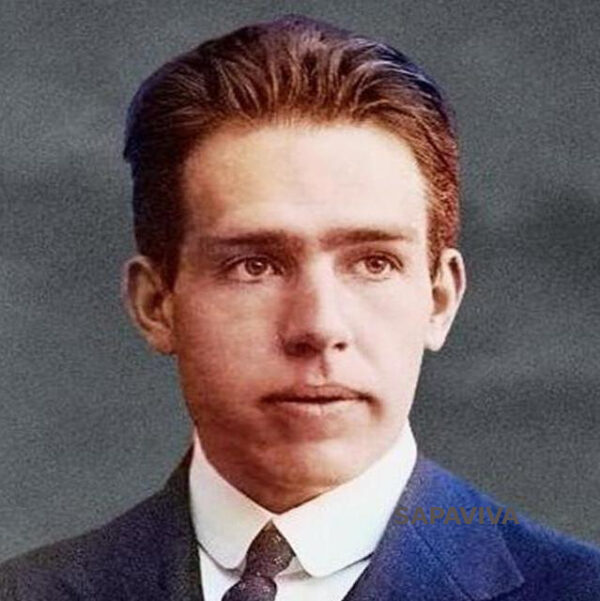
Niels Bohr, born on October 7, 1885, in Copenhagen, Denmark, was a pivotal figure in the development of quantum mechanics and the understanding of atomic structure. He proposed the Bohr atomic model, which opened up the idea of quantized electron orbitals and laid the foundation for modern atomic theory.
Bohr's model explained the stability of the atom and provided a framework for understanding atomic spectra. He made significant contributions to nuclear physics, including the concept of nuclear fission. Bohr's work earned him the Nobel Prize in Physics in 1922.
16. Richard Feynman (1918-1988)
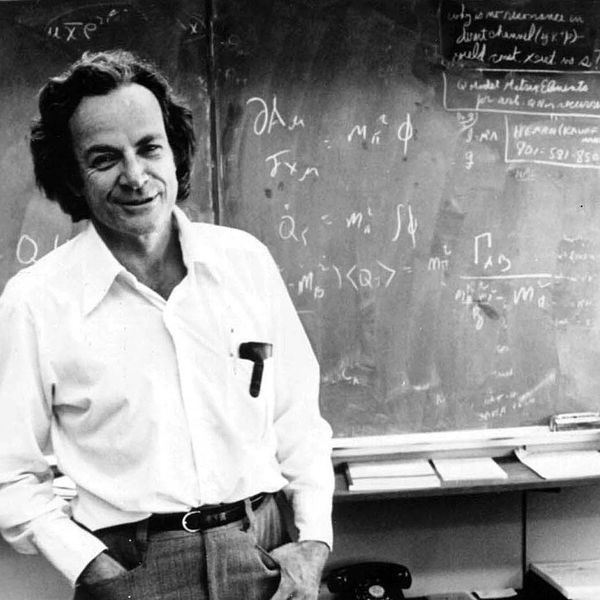
Richard Feynman, born on May 11, 1918, in Queens, New York, was a brilliant physicist known for his contributions to quantum mechanics and quantum electrodynamics (QED). Feynman's work revolutionized theoretical physics, particularly in understanding the behavior and interactions of particles.
He developed Feynman diagrams, a visual representation of particle interactions, providing a powerful tool for calculating complex quantum mechanical processes. He played a crucial role in the development of the atomic bomb during World War II as part of the Manhattan Project.
17. Carl Sagan (1934-1996)
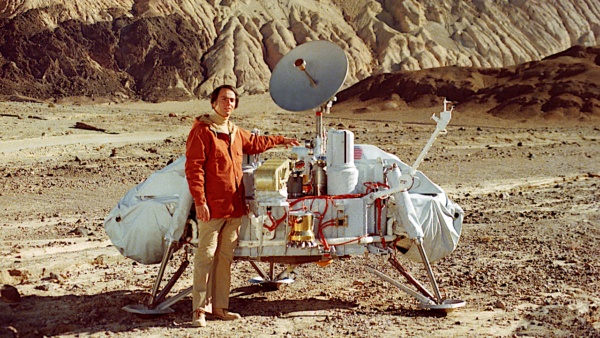
Carl Sagan, born on November 9, 1934, in Brooklyn, New York, was a renowned astronomer, cosmologist, and science communicator. He played a vital role in popularizing science and making complex scientific concepts more accessible to the public.
Sagan's work spanned many fields, including planetary science, astronomy, and astrobiology. He made significant contributions to our understanding of the atmospheres of Venus and Mars, as well as theories about the origin of life on Earth. Sagan was a key figure in the Mariner, Viking, and Voyager space missions, contributing to humanity's exploration of the Solar System.
18. Jane Goodall (1934)

Jane Goodall, born on April 3, 1934, in London, England, was a pioneering primatologist, ethologist, and conservationist, best known for her groundbreaking research on chimpanzees. Goodall's research, conducted in Gombe Stream National Park in Tanzania, revolutionized our understanding of primates and their behavior.
She observed chimpanzees using tools, a discovery that challenged the common notion that tool use was unique to humans. Goodall's work provided invaluable insights into the social and family dynamics of chimpanzee communities, highlighting their intelligence and emotional complexity.
19. Francis Crick (1916-2004)
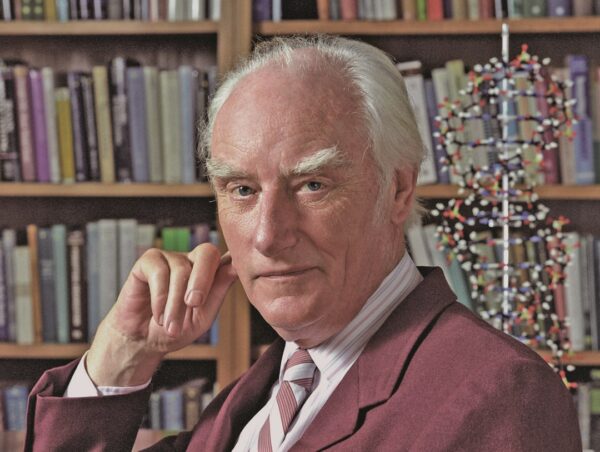
Francis Crick, born June 8, 1916, and died July 28, 2004, was a pioneering molecular biologist, biophysicist, and neuroscientist. Along with James Watson, he is best known for elucidating the structure of DNA, one of the most important scientific discoveries of the 20th century.
His groundbreaking work, published in 1953, revealed the double helix structure of DNA, providing insight into how genetic information is stored and replicated. This discovery laid the foundation for modern molecular biology and revolutionized our understanding of genetics, heredity, and evolution.
20. Rosalind Franklin (1920-1958)
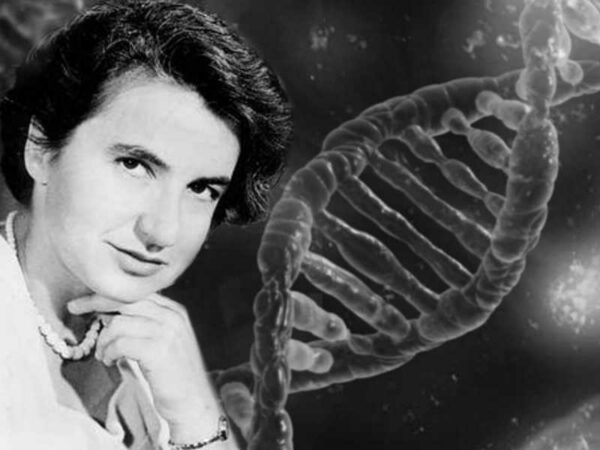
Rosalind Franklin, born July 25, 1920, and died April 16, 1958, was a brilliant British chemist and X-ray crystallographer. Her work played a crucial role in elucidating the structure of DNA. In 1952, Franklin captured the X-ray diffraction image of DNA, known as Image 51, providing vital evidence for the DNA's helical structure.
Unfortunately, her contributions were not fully recognized during her lifetime, as her colleague Maurice Wilkins showed photograph number 51 to James Watson and Francis Crick without her consent. Watson and Crick used this photograph, along with other data, to construct the DNA double helix model, which they published in 1953.
21. Edwin Hubble (1889-1953)
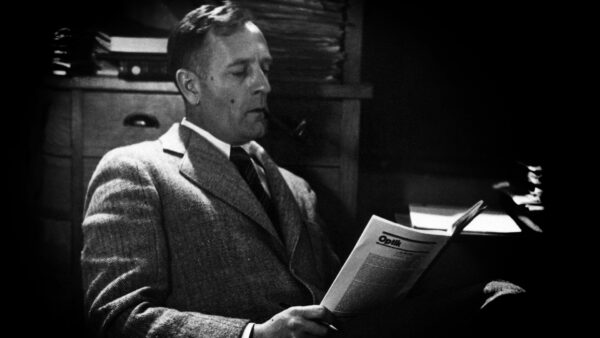
Edwin Hubble, born in 1889 and died in 1953, was an American astronomer whose pioneering work revolutionized our understanding of the universe. He is best known for his observations that provided evidence of the expansion of the universe, forming the basis of the Big Bang theory.
By meticulously studying distant galaxies and their redshift, Hubble formulated Hubble's Law, stating that the speed at which a galaxy moves away from us is proportional to its distance from Earth. The Hubble Space Telescope, launched in 1990, was named after him, further preserving his legacy in the exploration of the universe.
22. Linus Pauling (1901-1994)
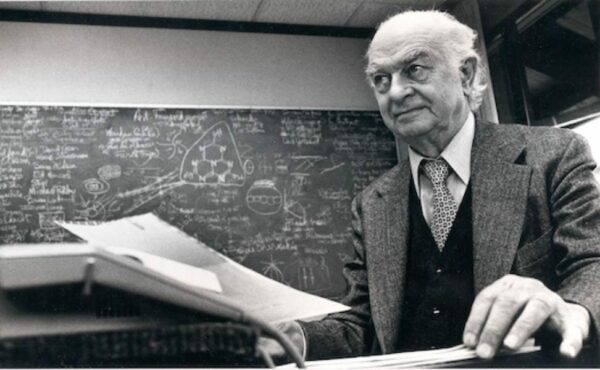
Linus Pauling, born in 1901, was a distinguished American chemist, biochemist, and peace activist. Known for his groundbreaking work in many fields, Pauling's contributions were immense and diverse. He is best known for his fundamental research on the nature of chemical bonding, a work that earned him the Nobel Prize in Chemistry in 1954.
Pauling's work on molecular structure, particularly his elucidation of the alpha-helix and beta-sheet structure of proteins, laid the foundation for the field of molecular biology. Pauling was a fervent advocate for nuclear disarmament and received the 1962 Nobel Peace Prize for his work.
23. Alan Turing (1912-1954)
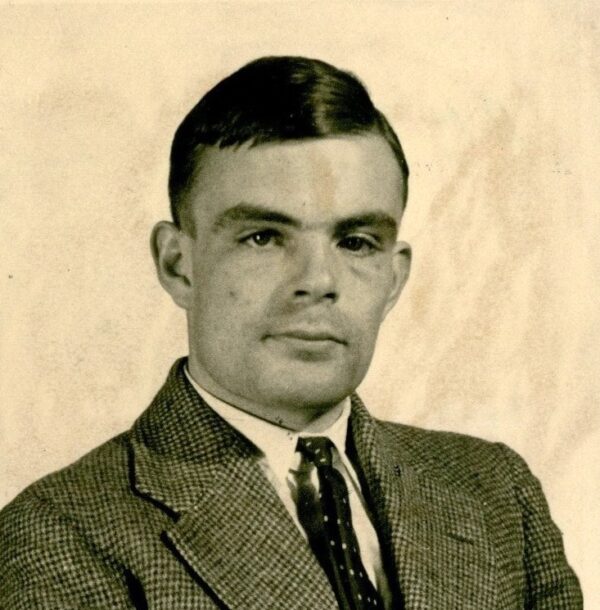
Alan Turing, born in 1912 and tragically died in 1954, was a British mathematician, logician, and computer scientist. Turing is considered the father of theoretical computer science and artificial intelligence. During World War II, he played a pivotal role in cracking the German Enigma code, a feat that significantly contributed to the Allied victory.
Turing's conceptualization of the Turing machine laid the foundation for modern computing, providing a theoretical framework for digital computers. His landmark paper, "On Computable Numbers, with Applications to Entscheidungsproblem," introduced the concept of the Turing machine, a foundational concept for the development of computer science.
24. Guglielmo Marconi (1874-1937)
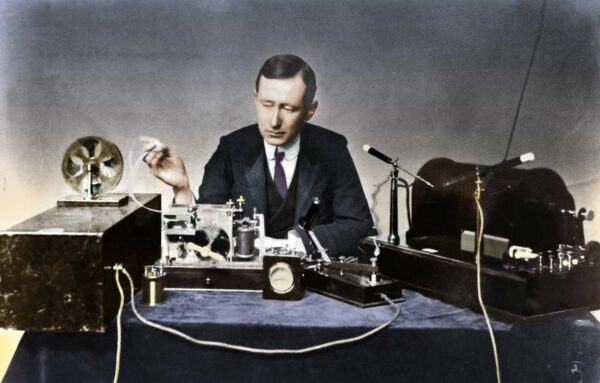
Guglielmo Marconi, born in 1874 and died in 1937, was an Italian inventor and electrical engineer credited with developing long-distance wireless transmission. Marconi's pioneering work in wireless telegraphy revolutionized communications and laid the foundation for modern telecommunication systems.
In 1901, he successfully transmitted the first transatlantic radio signal, demonstrating the feasibility of wireless communication over long distances. Marconi's legacy as a visionary inventor and pioneer in the field of telecommunications is still celebrated today.
25. Michael Faraday (1791-1867)
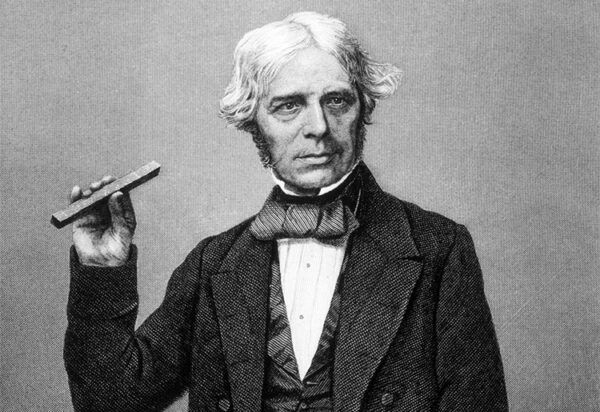
Michael Faraday, born in 1791 and died in 1867, was an English physicist and chemist who made profound contributions to the fields of electromagnetism and electrochemistry. Faraday's experimental work laid the foundation for modern electromagnetism and electrical engineering.
He formulated the laws of electromagnetic induction, demonstrating how a changing magnetic field can generate an electric current in an electrical circuit. This discovery paved the way for the development of generators and transformers, essential components of modern electrical systems.
26. Enrico Fermi (1901-1954)
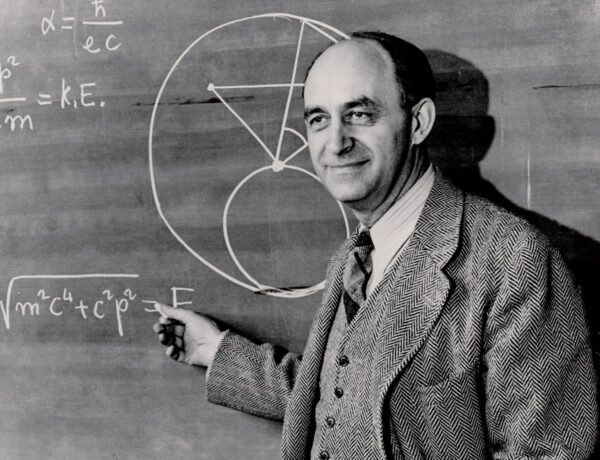
Enrico Fermi, born in 1901 and died in 1954, was an Italian-American physicist who made significant contributions to nuclear physics and quantum mechanics. Fermi is best known for developing the first nuclear reactor and his contributions to the development of the atomic bomb during World War II.
In 1942, he led a team of scientists at the University of Chicago's Metallurgical Laboratory who successfully performed the first controlled, self-sustaining nuclear chain reaction, demonstrating the feasibility of nuclear power generation. His work earned him numerous awards, including the 1938 Nobel Prize in Physics for his discovery of transuranic elements created by neutron irradiation.
27. Johannes Kepler (1571-1630)
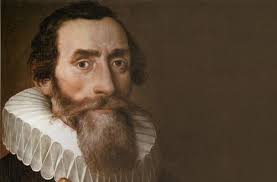
Johannes Kepler, the German mathematician, astronomer, and key figure in the Scientific Revolution, revolutionized our understanding of celestial mechanics. Born in 1571, Kepler's most important contributions include the three laws of planetary motion.
His first law states that planets move in elliptical orbits with the Sun as a focal point. The second law describes equal areas swept out in equal intervals, highlighting the differences in speed of the planets in their orbits.
Kepler died in 1630, leaving behind a legacy of mathematical rigor and profound astronomical insights that continue to inspire scientists today.
28. Edwin Schrödinger (1887-1961)
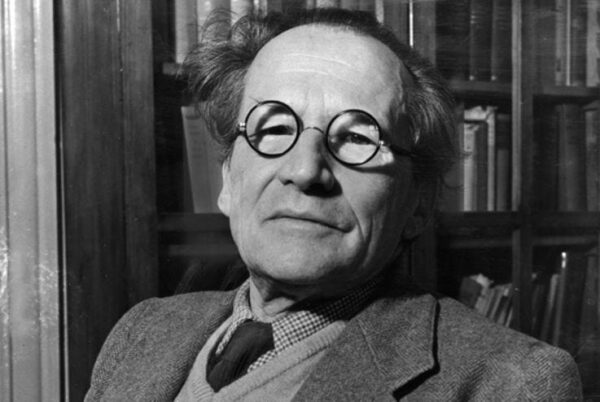
Erwin Schrödinger, an Austrian physicist, is renowned for his groundbreaking contributions to quantum mechanics, particularly his development of the Schrödinger equation, which describes the quantum state of a physical system as it changes over time. Born in 1887, the Schrödinger equation provided a mathematical framework for describing the behavior of particles at the atomic and subatomic levels, allowing for the prediction of particle behavior with unprecedented accuracy.
He also proposed the famous thought experiment known as "Schrödinger's Cat" to illustrate the concept of superposition in quantum mechanics. Schrödinger's work laid the foundation for much of modern quantum theory and earned him the Nobel Prize in Physics in 1933, along with Paul Dirac.
29. Werner von Braun (1912-1977)
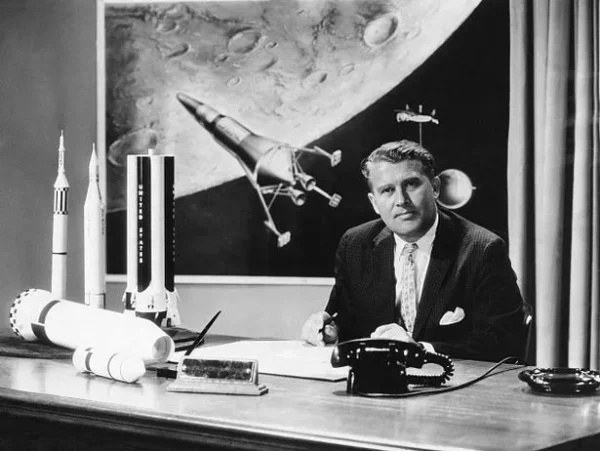
Wernher von Braun, a German-American aerospace engineer, played a pivotal role in the development of rocket technology and space exploration in the 20th century. Born in 1912, von Braun's early research in Germany led to the development of the V-2 rocket during World War II, which became the world's first long-range guided ballistic missile.
After the war, he emigrated to the United States, where he played a key role in the American space program. He was the chief architect of the Saturn V rocket and the director of NASA's Marshall Space Flight Center.
30. James Watson (1928)
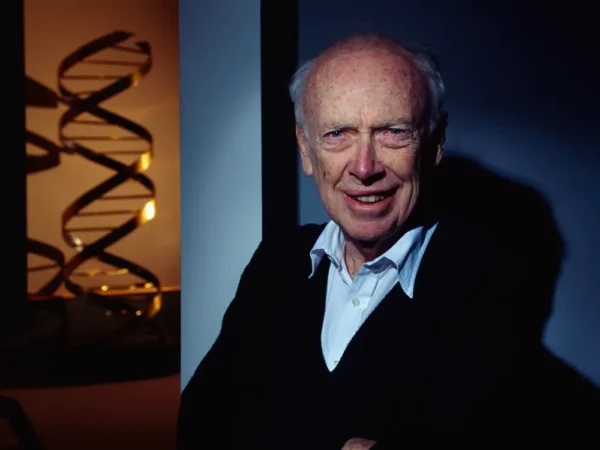
James Watson was an American molecular biologist and geneticist, and a co-discoverer of the structure of DNA. Born in 1928, Watson, along with Francis Crick and Maurice Wilkins, made the groundbreaking discovery of the double helix structure of DNA in 1953, a revolution in biology and our understanding of genetics.
This discovery laid the foundation for modern molecular biology and paved the way for advances in genetics, biotechnology, and medicine. Watson's work earned him the Nobel Prize in Physiology or Medicine in 1962, along with Crick and Wilkins.
31. Albert Hofmann (1906-2008)
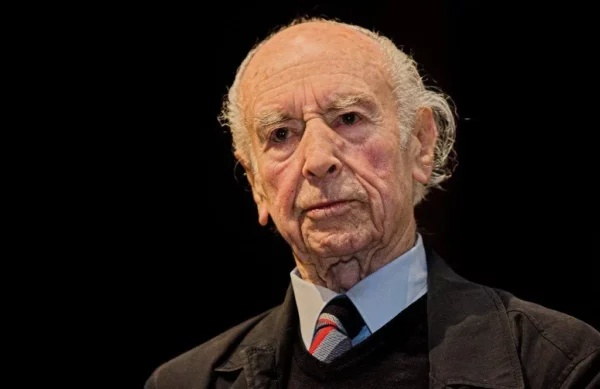
Albert Hofmann, a Swiss chemist, is best known for his discovery of lysergic acid diethylamide (LSD), a hallucinogenic drug. Born in 1906, Hofmann first synthesized LSD in 1938 while studying ergot alkaloids at the Sandoz Laboratory in Switzerland. Hofmann advocated for the responsible and controlled use of hallucinogens and continued to research their effects. He died in 2008, leaving behind the legacy of being the "father of LSD" and a pioneer in the study of hallucinogens.
32. J. Robert Oppenheimer (1904-1967)
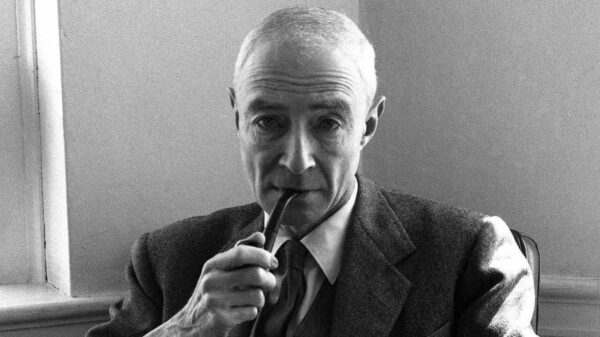
J. Robert Oppenheimer was an American theoretical physicist, born in 1904 and died in 1967. He is best known for his key role as the chief scientific officer of the Manhattan Project during World War II, overseeing the development of the atomic bomb.
Oppenheimer's leadership and intellect played a crucial role in the successful creation of the first nuclear weapons, subsequently used in the bombings of Hiroshima and Nagasaki in 1945. Despite his significant contributions to the project, Oppenheimer remained deeply conflicted about the moral implications of nuclear war, famously quoting the Bhagavad Gita after witnessing the first atomic bomb test: "Now I have become Death, the destroyer of the world."
33. Edwin Land (1909-1991)
FAQ
What is 40 world-renowned scientists?
Explore 40 world-renowned scientists, including the key concepts, practical examples, important considerations, and useful guidance.
What key points does this article cover?
The article focuses on 1. Isaac Newton (1643-1727), 2. Albert Einstein (1879-1955), 3. Marie Curie (1867-1934), with practical explanations and examples.
How can you use this information in practice?
Use the explanations to compare options, verify important details, and make a more informed decision. Apply the recommendations that best match your goals and situation.
Related Articles
 Scientists Claim That the Other World Exists3 minutes read
 HP Is About to Have a 10-inch Fashion Netbook4 minutes read
 In the Year of Laptop HP Vivenne Tam4 minutes read
 Scientists Are Developing the World's First Battery-free Phone4 minutes read
 Scientists Have Just Created the World's Most Difficult and3 minutes read
 Scientists Reveal the Secret of the Formation of a Strange 'gas5 minutes read
Reader Comments 0
Sign in with email or Google to join the discussion.