Table of Contents
Stress serves as an unavoidable part of modern life. However, you can completely relieve or reduce stress in just 10 minutes with the following habits.
Stress is an unavoidable part of modern life. However, you can completely relieve or reduce stress in just 10 minutes with the following habits.
Progressive muscle relaxation
Many people feel tension in their bodies without even realizing it. So, when you feel stressed, your first move should be to focus on relaxing your muscles: Sit or lie down and start with your hands or feet. Tense one muscle group (e.g., your right hand, a clenched fist) as tightly as possible for five seconds. Focus intensely on the feeling of tension. Then, suddenly, completely relax for 10-15 seconds, feeling a feeling of warmth, heaviness, and relaxation. Move systematically through all the major muscle groups (hands, arms, face, neck, shoulders, chest, abdomen, buttocks, legs, feet).
While this exercise helps relieve much of the physical tension, it also brings you back to a state of balance—a reminder that you are here, firmly in the presence of your emotions.
10 minute walk in nature
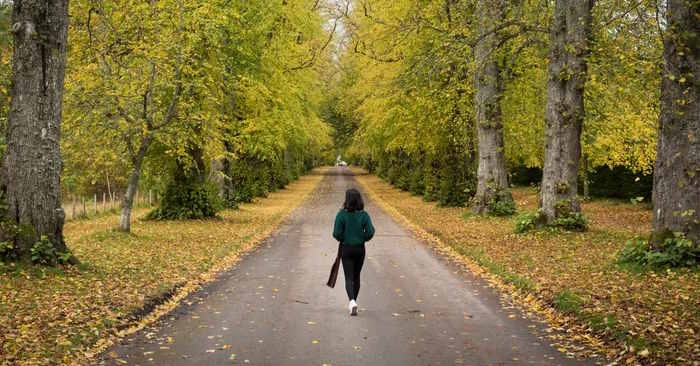
Getting outside for some fresh air is a surefire way to feel better, even if just a little. When you're stressed, put on your shoes and go for a walk, preferably outdoors. The key is to move in a rhythmic, steady manner. When you walk, turn off your phone or put it in your pocket and practice mindfulness for at least 10 minutes. Pay attention to the colors, sounds, and the feel of your feet on the ground. Pay attention to how your body moves and how your breath responds.
To add more mindfulness to your practice, notice the changing leaves, dogs on their evening walks, or even a friendly face smiling at you.
Butterfly hug
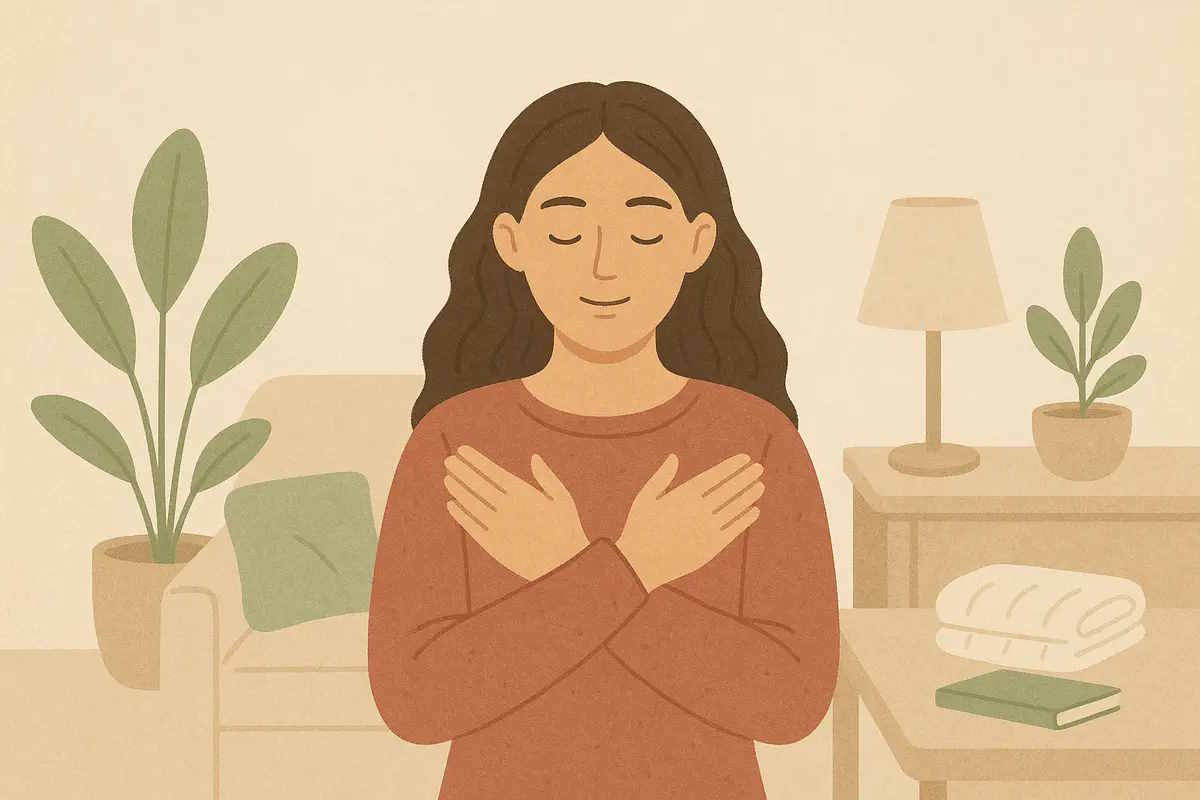
This exercise really feels like a hug, both internally and externally. Cross your arms across your chest, placing the middle fingertip of each hand just below the opposite collarbone (or on the upper arm/shoulder, whichever is more comfortable).
You can spread the remaining fingers, and interlock your thumbs to form the 'body' of the butterfly.' Once in position, close your eyes, lower your gaze, and begin to breathe slowly and deeply. Gently and slowly, begin to clap your hands alternately, left and right, like the slow flapping of a butterfly's wings. Keep the rhythm steady and soothing. Continue clapping for 1 to 3 minutes, or until you feel calmer.
Sway
You've probably realized by now that physical activity plays an important role in reducing stress. Swaying is more than just a quick workout.
Tension lives in the body, and sometimes You should release it physically. Set a timer for five to ten minutes and really shake your arms, legs, and shoulders in whatever way feels right. You can dance, jump up and down, or stretch. It may sound silly, but this type of movement helps your nervous system release excess energy in your body when you're stressed. It can help you get out of fight-or-flight mode more effectively than sitting still.
Change the story
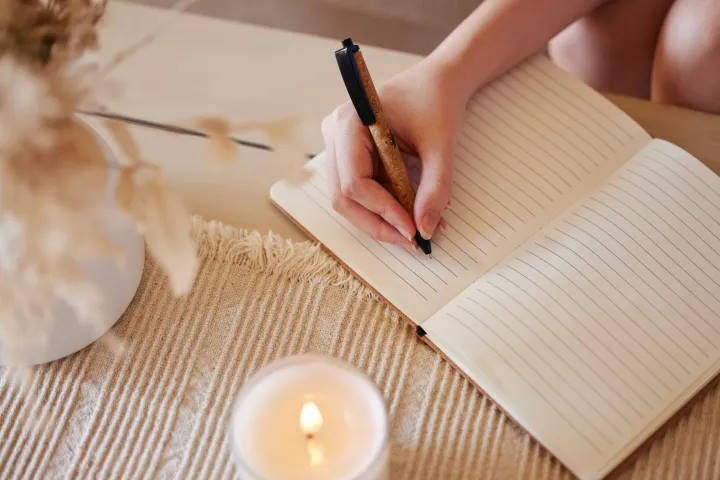
In addition to physical activity, mental shifts are also essential to reducing stress. A large part of stress comes from the stories we tell ourselves. Take 10 minutes to identify what you're telling yourself.
It might sound like, 'I'm failing,' 'No one shows up for me,' or 'I'll never catch up.' Once you get to the core of the story, ask yourself, 'What else is true?' This reframing lets you loosen the grip of a story that's keeping your nervous system on edge. Maybe it means praising yourself for something you did this week, a moment when you felt strong and courageous, or a simple reminder that nothing is permanent.
FAQ
What should you know about the options in this guide?
In practical terms, stress is an unavoidable part of modern life. However, you can completely relieve or reduce stress in just 10 minutes with the following habits.
Which option is the best choice?
The best choice depends on your priorities, compatibility, budget, and the specific features discussed in the comparison.
What should you compare before deciding?
Compare core features, limitations, ease of use, compatibility, and long-term value before making a decision.
Related Articles
 Apps That Help You Smash Stress and Anxiety7 minutes read
 When You Feel Stressed, Eat These Foods5 minutes read
 5 Postures to Reduce Stress Immediately in Just 2 Minutes4 minutes read
 3 Ways to Help You Calm Down in Stressful Conversations11 minutes read
 How Does Different Exercise Affect the Brain3 minutes read
 How to Sleep in Less Than 1 Minute: 4-7-8 Breathing Techniques7 minutes read
Reader Comments 0
Sign in with email or Google to join the discussion.