Table of Contents
There has been a shift lately. More and more people are actually ditching the living room TV altogether.
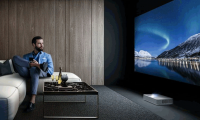
For years, the TV has been the centerpiece of the living room. Everything revolves around it. You buy a sofa facing it, measure your walls to fit, and live with the big black rectangle looming in the corner even if it doesn't do anything. But lately, there's been a shift. More and more people are actually ditching their living room TVs. Not because of sci-fi headsets or wallpaper-thin OLED screens, but because of projectors. Portable projectors, to be exact.
From Pico toys to complete TV replacements
The projector finally left the toy store.
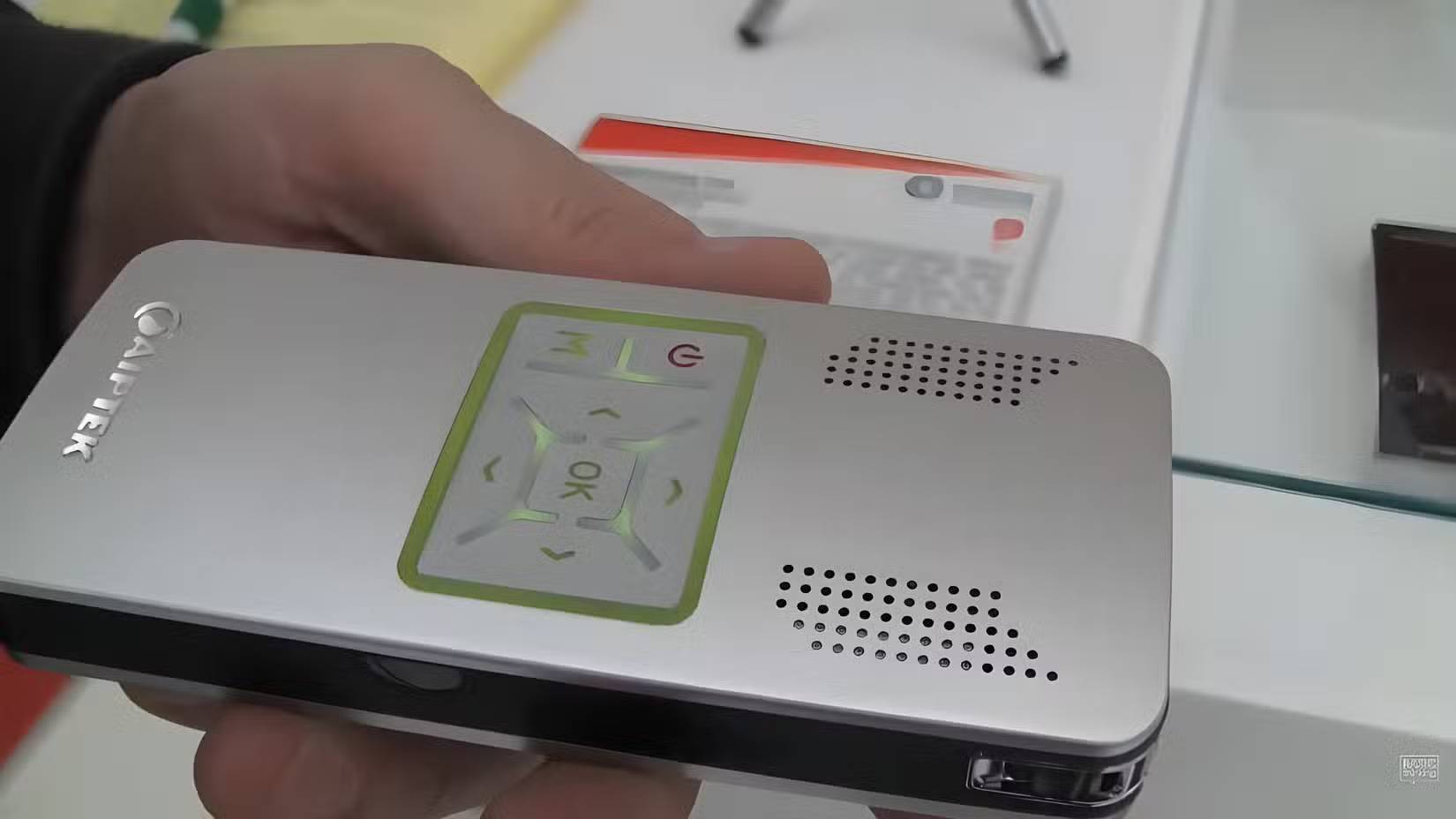
The first generation of so-called portable projectors was mostly a gimmick. Think back to those tiny 'pico projectors' you could plug into your iPod or early smartphone. They were barely bright enough to project onto a wall, and you sometimes had to squint to see if the image was even there.
Until now, it felt like a different world. You can now place pocket-sized LED cubes running Android TV or Roku, capsule projectors with built-in batteries and speakers, or ultra- short-throw laser projectors just inches from the wall and still project a cinema-like image.
In short, what was once a toy has now become a veritable TV replacement.
Mobility changes the entire living room layout
It's nice to be able to move the screen as easily as a lamp.
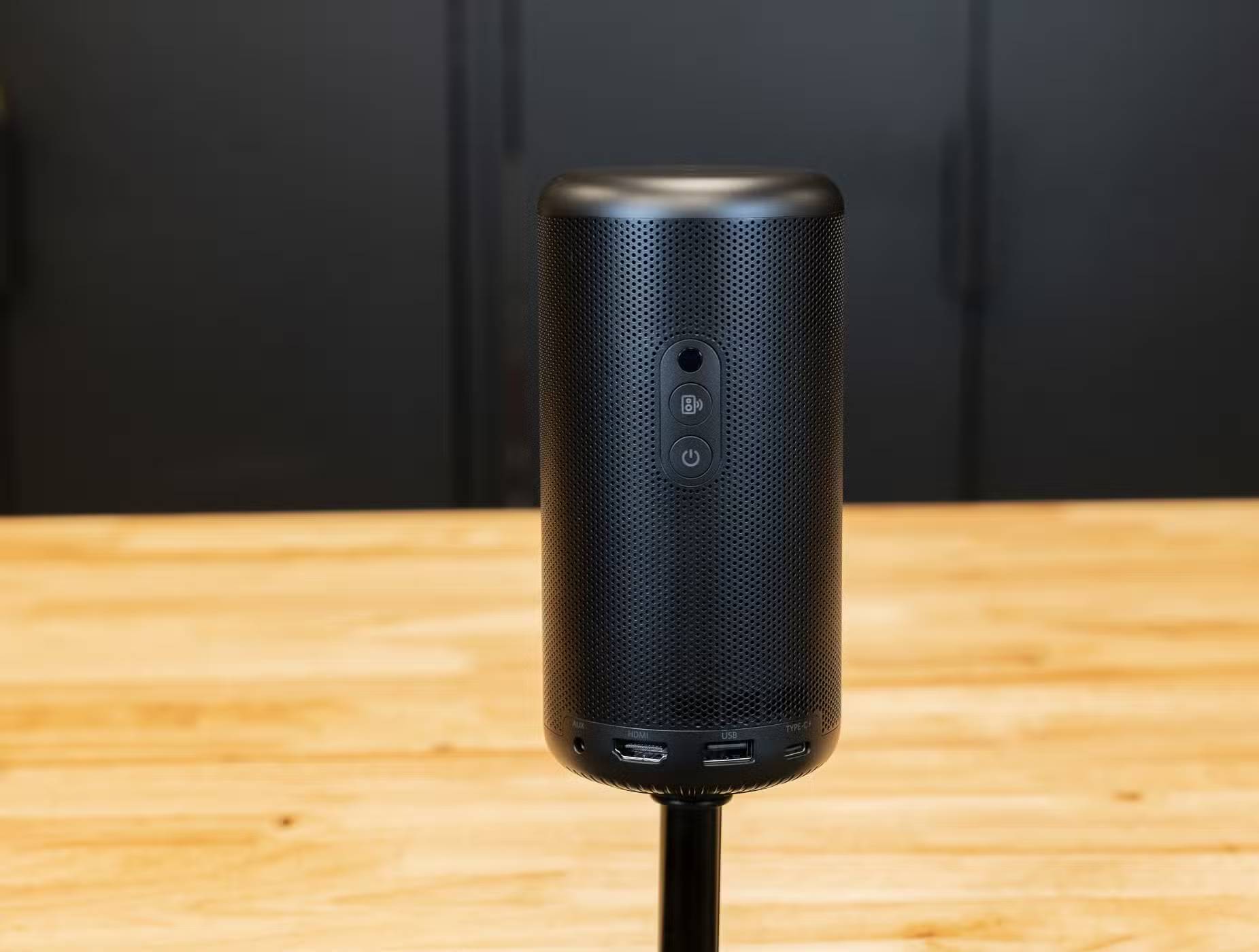
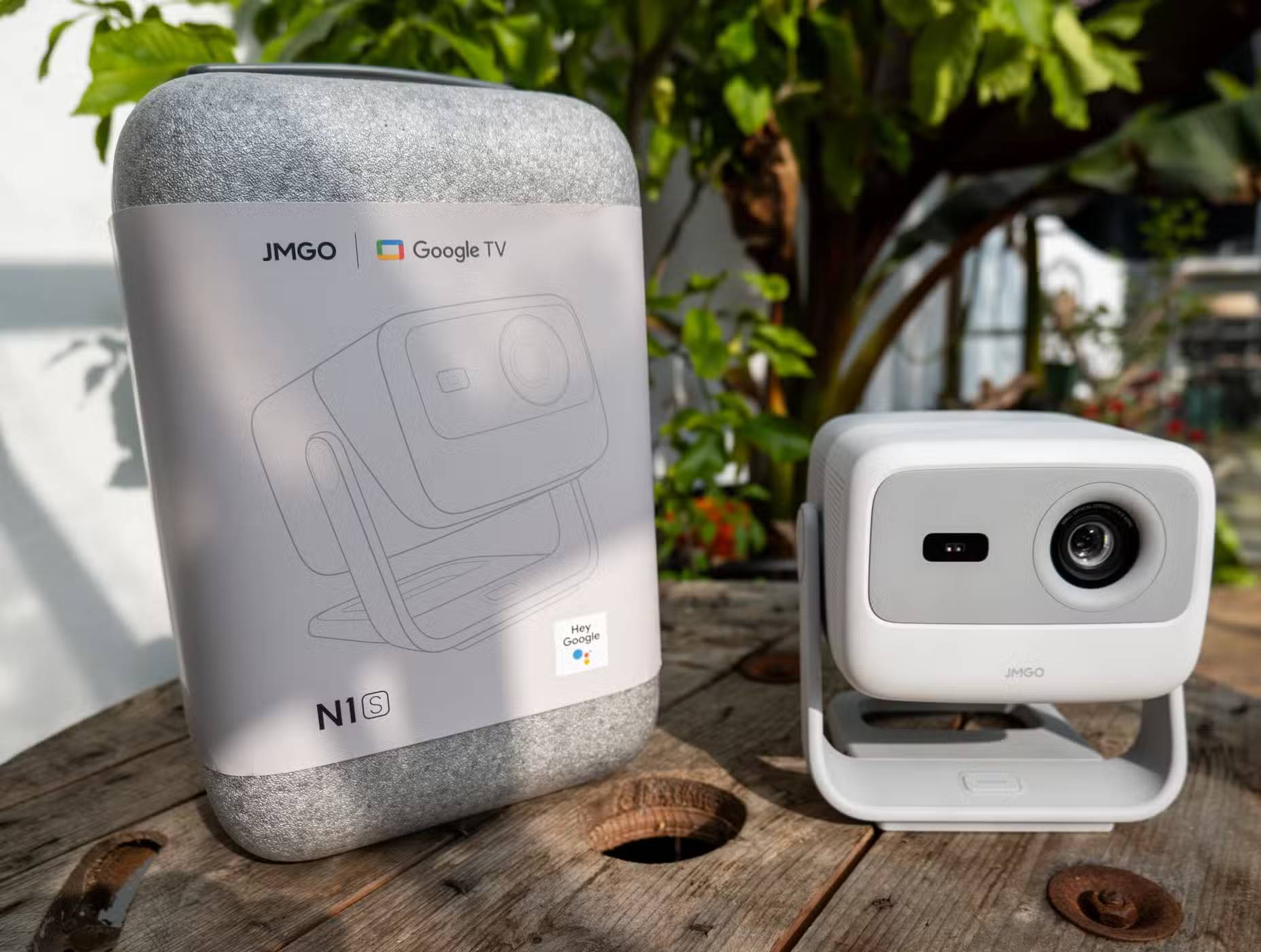
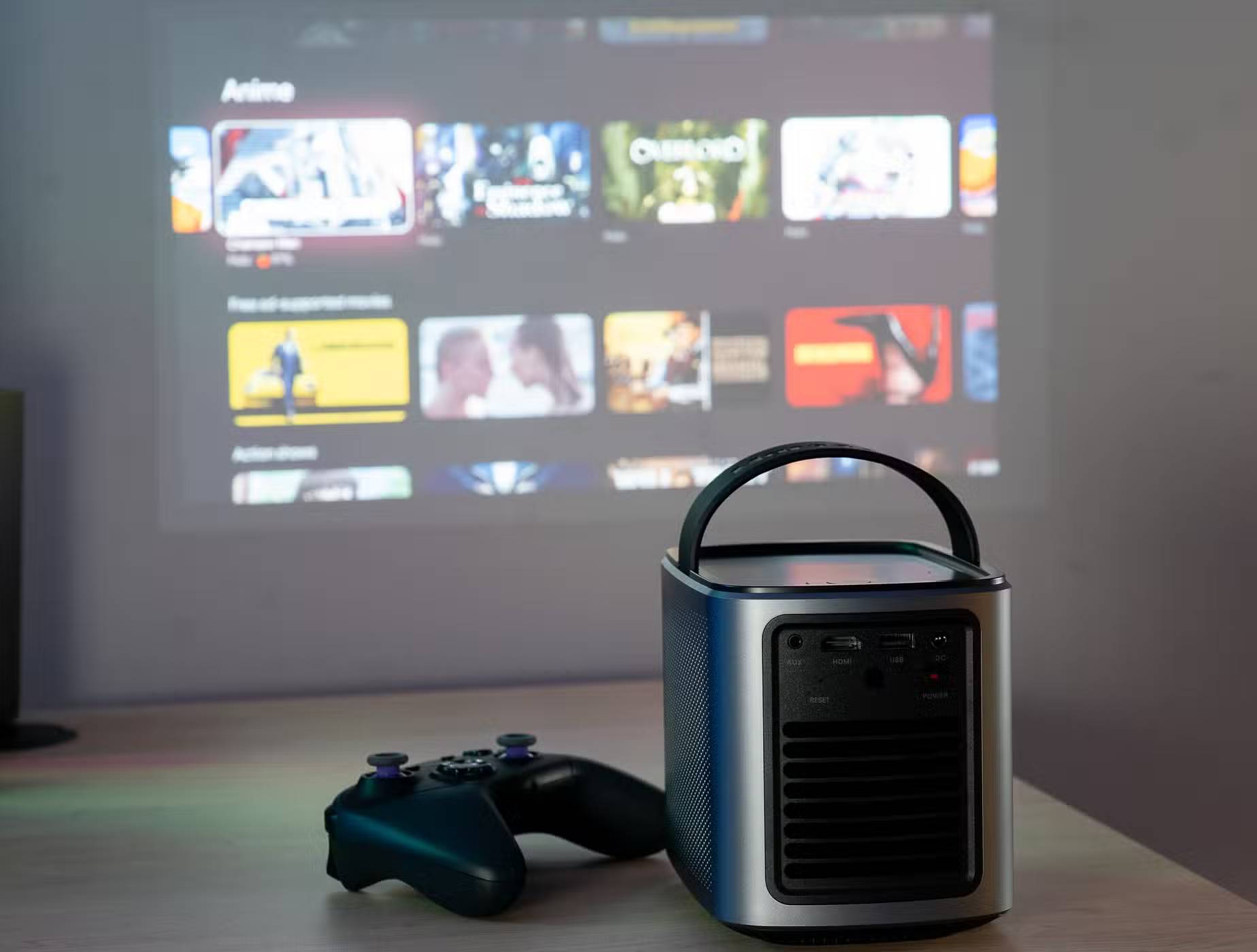
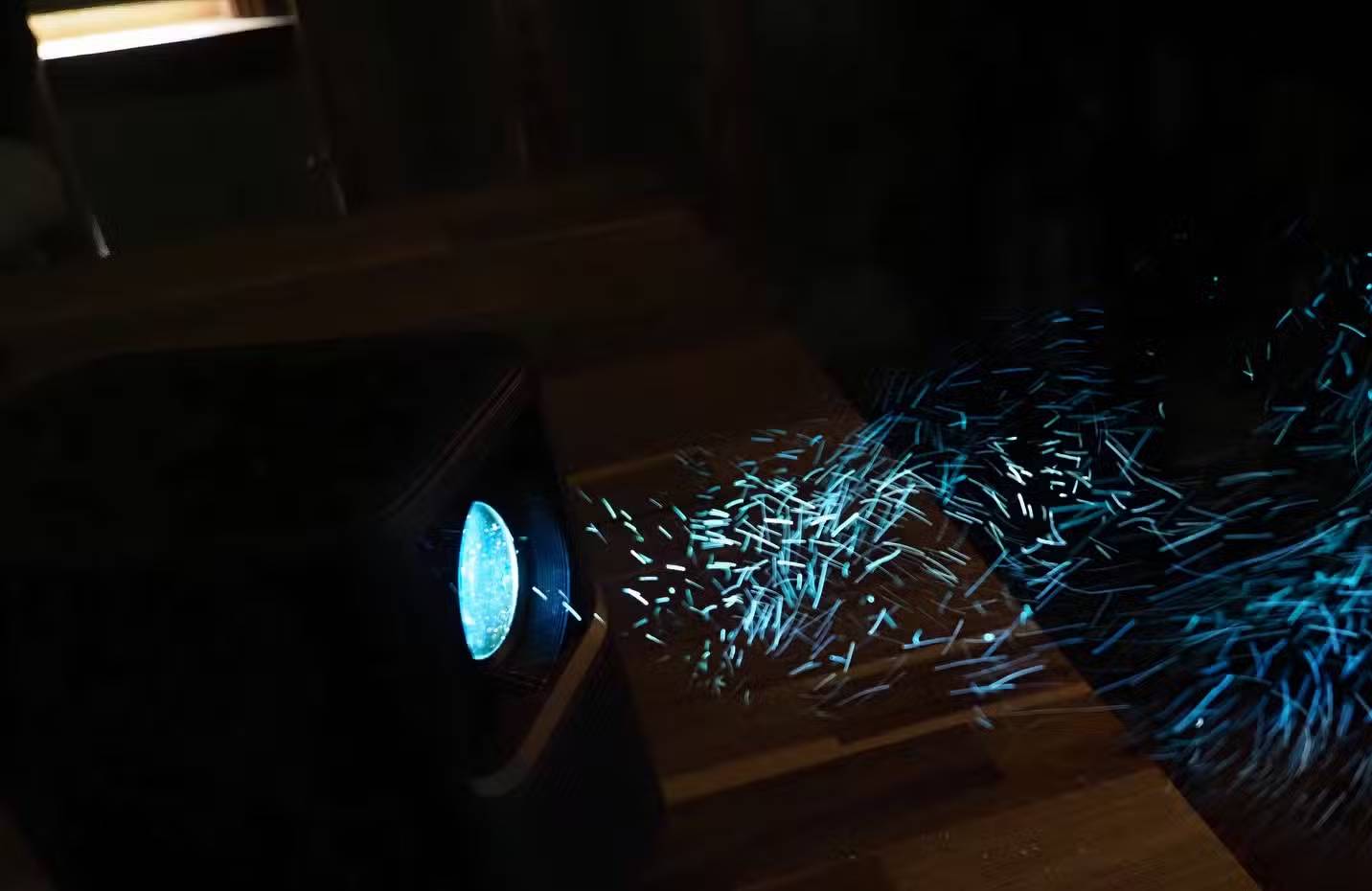
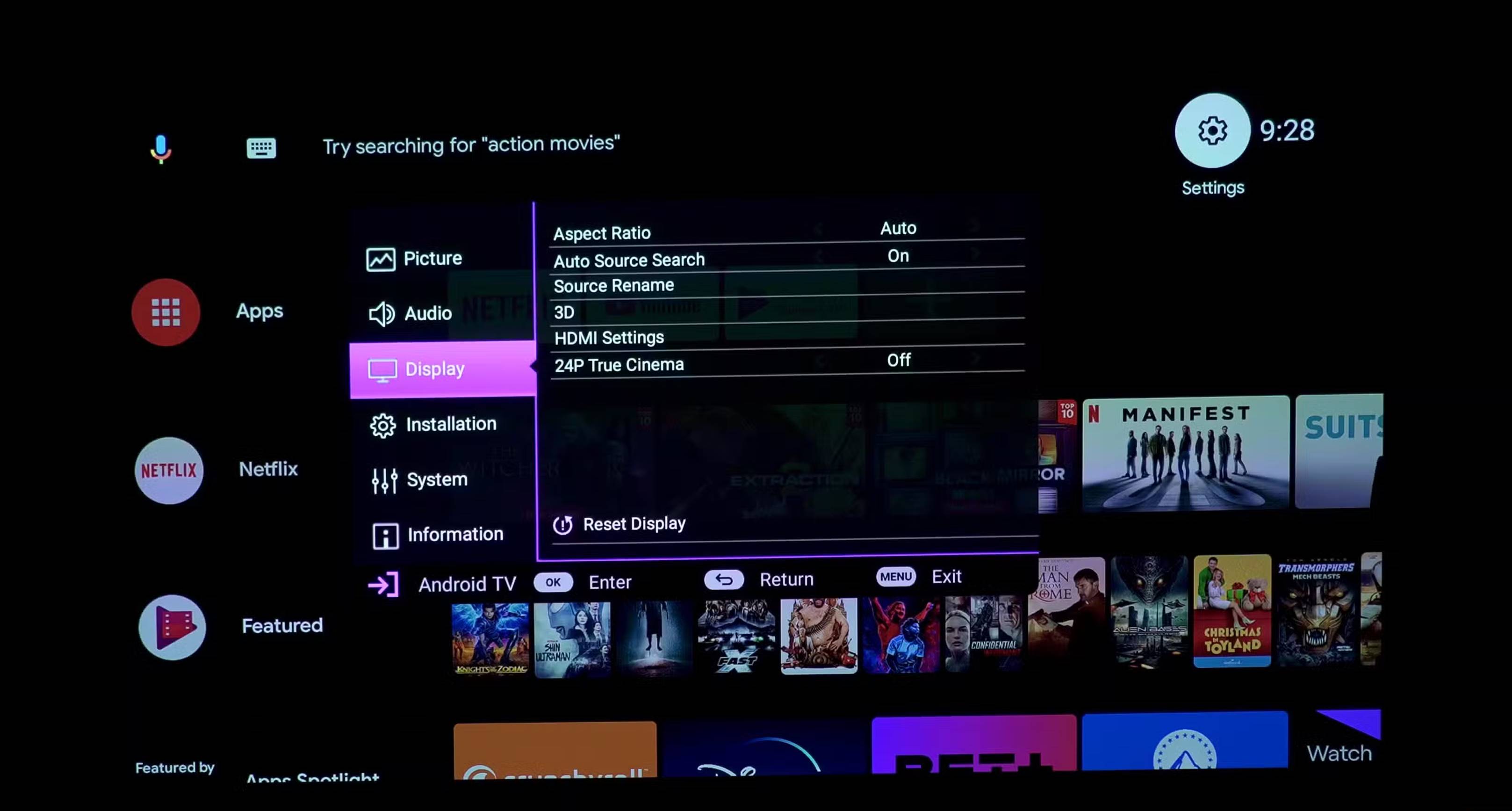
Once you stop thinking of your TV as a piece of furniture, the entire atmosphere of your living room changes. A 65-inch OLED will take up space no matter how compact you make it. A portable projector, on the other hand, can be tucked away in a drawer when you're done watching. There are some great options to consider in our buying guide.
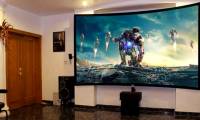
Even if you use a fixed projector, it still changes the way the room works. You're no longer forced to huddle around a blackboard. The space can breathe, and the screen only comes on when you want it to.
Brightness, sound, and intelligence finally improved
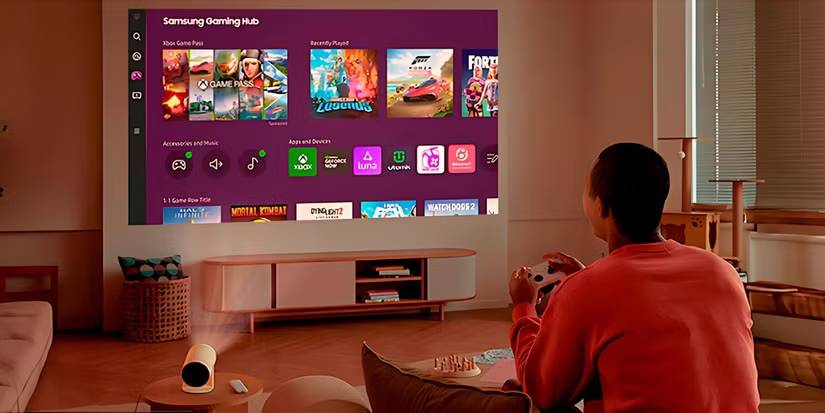
Of course, all this philosophical talk would be meaningless if the projectors themselves weren't up to the task. What's making this change is a quiet revolution inside these devices.
Brightness is the most obvious change. Lasers and LEDs can now produce thousands of lumens, enough to make the image viewable in a typical living room without blinds. The days of needing a pitch-black basement to watch a projector are fading. While no projector can compete with direct sunlight, the ability to watch comfortably in a well-lit space makes them a popular everyday TV.
Audio, long a weak point, has also improved. Manufacturers no longer treat sound as a secondary concern. Partnerships with brands like Bose, JBL, Yamaha, and Harman Kardon have raised the bar, creating built-in sound that truly fills the room. Many also support HDMI eARC or Bluetooth, making it easy to add a soundbar or speaker system. This encourages modularity—picture here, sound there—so you can tweak each element to your liking.
The final piece of the puzzle is intelligence. Modern projectors are no longer just plain lenses waiting for an HDMI cable. They now run full-featured TV operating systems like Roku TV, Google TV, or custom shells that integrate streaming apps, voice assistants, and even cloud gaming services for streaming video games.
FAQ
Why Are Projectors Gradually Replacing Tvs in Living Rooms: Explained?
In practical terms, there has been a shift lately. More and more people are actually ditching the living room TV altogether.
What factors are most important?
The article highlights that more and more people are actually ditching their living room TVs.
What is the main takeaway?
The main takeaway is that the first generation of so-called portable projectors was mostly a gimmick.
Related Articles
 Compare Advantages and Disadvantages of LCD and DLP Projectors7 minutes read
 What Is 4K Projector: 4k Projector Features7 minutes read
 Top 8 Best Projectors of 20198 minutes read
 Advise to Buy Family Projectors to Watch Movies, Football Extremely9 minutes read
 N-Tech, a Cheap 4K Projector, All in One, Wireless, Compact3 minutes read
 Top 5 Best Mini Projectors 20189 minutes read
Reader Comments 0
Sign in with email or Google to join the discussion.