Table of Contents
Before buying furniture or a rug, measure the room and mark proposed furniture footprints with painter’s tape. Walk from each doorway to your usual seat and check whether doors, drawers and windows still work. Then arrange the room around how you use it most.

1. Choose materials for daily use
Match the upholstery to the people and pets who use it. Compare cleaning instructions and check whether covers are removable. Take a swatch home if you can and look at it in daylight and under your lamps.
2. Mix pieces with one feature in common
A sofa and chair can have different shapes if they share a color, material or similar visual weight. Compare the seat heights and depths if people will use both pieces in the same conversation area.
3. Protect the main walking route
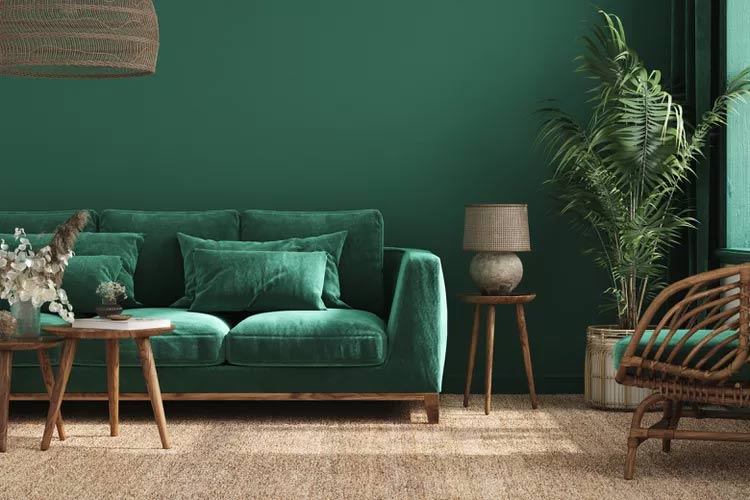
Test pulling furniture inward if you have enough room. In a narrow living room, placing the sofa along a wall may leave the clearest path. Check the route with a side table or ottoman in place before committing.
4. Size the rug to the seating group
Mark the intended rug size on the floor. Try a rug that reaches the front legs of the main seats, then check that its corners stay clear of doors and main walkways. The right size depends on how far apart the seats are.
5. Give the room a focal point
Choose a window, a piece of art, a fireplace or the TV based on what the room is for. If you use it for both conversation and TV, angle one or two chairs so people can talk without turning their backs to the screen.
6. Keep spare seating easy to move
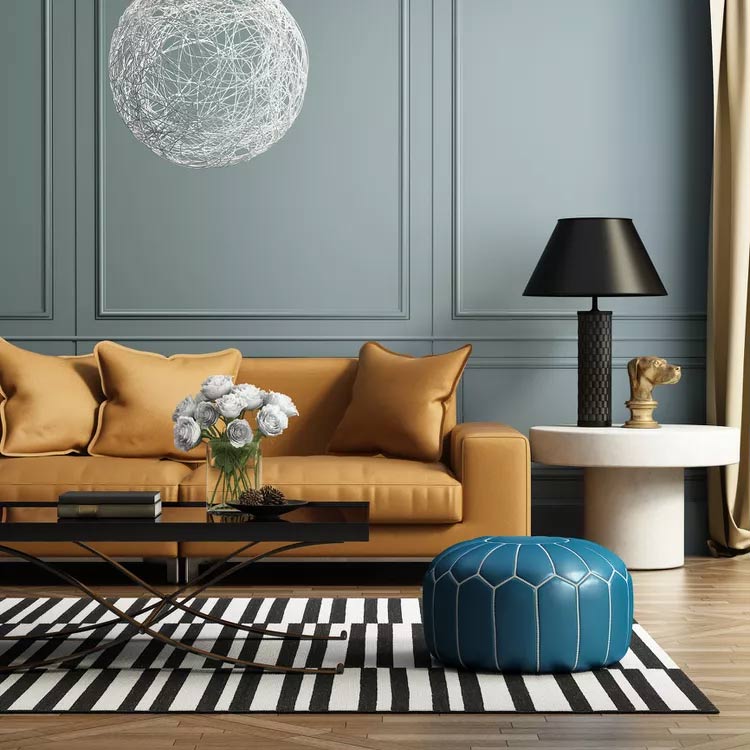
Use lightweight stools or an ottoman for guests if you don’t need permanent chairs. For ideas, compare furniture layouts for different living rooms. You can also visualize a layout from a photo, then confirm it fits using your measurements.
Related Articles
 The secret of simple living room design is all possible
 Beautiful Adorable Home decor templates
 The design of a beautiful, modern small living room
 Sample living room level 4 with a beautiful wooden furniture
 10+ samples of beautiful and simple living room furniture
 Why are projectors gradually replacing TVs in living rooms?
Reader Comments 0
Sign in with email or Google to join the discussion.