Table of Contents
For everyday skin care, protecting against sun damage and meeting basic nutritional needs are more useful starting points than promises to “boost collagen” quickly. Some topical ingredients can improve signs of aging, but no home routine restores youthful skin on demand.
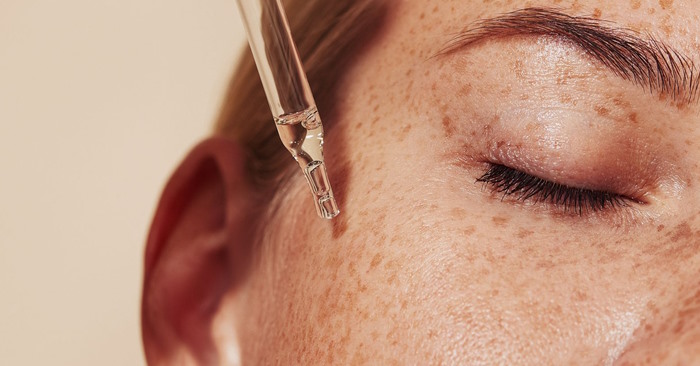
Make sun protection the foundation
Ultraviolet exposure contributes to premature skin aging. Use shade, protective clothing, and a suitable broad-spectrum, water-resistant sunscreen with SPF 30 or higher. Reapply according to the label, including after swimming or sweating.
The American Academy of Dermatology recommends starting with sunscreen and moisturizer. Moisturizer can reduce the appearance of dryness-related fine lines; that is different from proving that a product rebuilt collagen.
Consider retinoids with realistic expectations
Retinoids are vitamin A-related skin treatments; retinol is one type available in many nonprescription products. They can help certain concerns such as fine lines, uneven tone, and texture, but effects depend on the formulation and consistent, tolerable use.

They can also cause irritation. Do not treat retinol as a “wonder drug” or combine several strong products at once. Follow the product instructions and ask a dermatologist if you have sensitive, inflamed, or persistently irritated skin. Retinoids should not be used during pregnancy. The AAD's retinoid guidance explains suitability and precautions.
Get vitamin C and protein through a balanced diet
The body needs vitamin C to make collagen, and food provides the amino acids used to build proteins. Include a varied diet with appropriate protein sources and vitamin C-rich foods such as citrus fruits and peppers.
Having more of a nutrient than you need does not establish a greater cosmetic benefit. Avoid assuming that collagen-rich foods or supplements are directed specifically to facial skin. The NIH vitamin C fact sheet explains its nutritional role, while the AAD discusses food and skin supplements.
Treat serums as optional, product-specific choices
Vitamin C products and peptide serums are marketed for aging skin, but ingredients, stability, concentration, and tolerability vary. A description of how a peptide might work does not prove that every peptide serum produces the same result.

Choose one concern and introduce products gradually. Stop a product that causes persistent irritation and seek advice rather than continuing because redness is described as a sign it is “working.” Topical vitamin C is not required simply because dietary vitamin C is essential.
Keep the routine manageable
Avoid smoking and tanning, maintain a balanced diet, and use a routine you can follow consistently. Exercise, sleep, and stress management support general well-being, but should not be presented as guaranteed treatments for lost skin collagen.
If you want treatment for significant wrinkles, changing skin texture, or another persistent concern, a dermatologist can assess the cause and discuss suitable options. Normal skin aging does not require buying a supplement or an expanding collection of serums.
Related Articles
 13 foods that help the body produce natural collagen to rejuvenate the skin
 Do collagen supplements really slow down the aging process?
 What effect does collagen have on skin and health?
 8 habits that are destroying your body
 8 things to do every day for the body to be purified
 9 bad habits should be removed immediately if you don't want to get in trouble
Reader Comments 0
Sign in with email or Google to join the discussion.