Table of Contents
Modern medicine has made great strides, however, there are still unanswered questions. Below are some unanswered medical mysteries.
Modern medicine has made great strides, however, there are still unanswered questions. Below are some unanswered medical mysteries.

Causes of migraines
Humans have suffered from migraines for thousands of years, and strange cures for them have been around for a long time. A Roman doctor recommended electric shocks from a fish to relieve headaches, and migraines may have been among them. The Swiss doctor who first distinguished migraines in medical literature suggested bloodletting to relieve pain.
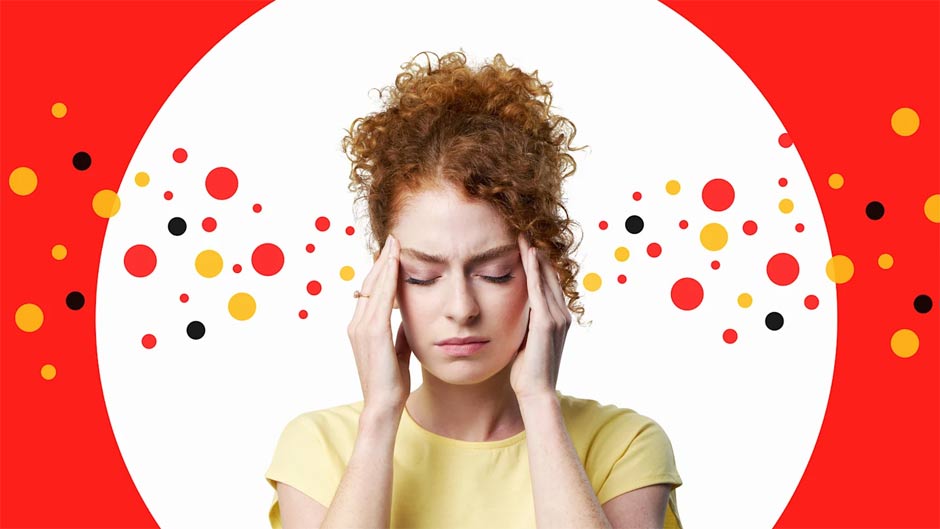
Doctors are clearly willing to try anything to treat migraine sufferers, but one thing they can't do is pinpoint the exact cause of the condition. Migraines are more than just excruciating headaches; these excruciating headaches are accompanied by other symptoms such as nausea, visual disturbances, sensitivity to light and sound, and even temporary loss of motor function.
Today, the medical consensus is that migraines are the result of abnormal brain activity—but what that actually means remains unclear. Migraines typically appear between the ages of 10 and 45, and sufferers often report something that triggers their headaches, such as stress, exercise, loud noises, or other irritants.
Researchers believe that these agents may send out disruptive signals in the brain, affecting blood flow to surrounding organs and muscles, causing migraines and sensory distortions. The reasons why they do this are still being studied extensively. For now, migraine sufferers can take prescription medications to prevent or stop attacks as soon as they start.
What lies behind schizophrenia?
The causes of mental illnesses can be difficult to parse, and schizophrenia is particularly difficult to pin down. This complex illness has a range of symptoms, from paranoia, sensory hallucinations and delusions to body tremors and movement disorders.
Researchers believe that a combination of genetic and environmental factors increases the risk of schizophrenia. More than 100 genes have been linked to the risk of schizophrenia, but no single gene can cause or prevent the disease. Instead, these genes may exhibit small mutations that increase the risk of the disease, and these mutations may occur at different times during a person's brain development. These changes may also interact with other health experiences, such as prenatal infections or severe childhood stress, that are known to increase the risk of the disease. This makes it extremely difficult to pinpoint the exact cause or developmental stage that leads to schizophrenia.
The connection between all of these factors is still unclear. While we don't know the cause or have a cure, there are medications and treatment strategies that can help people manage the condition.
Why does mass schizophrenia occur?
Mass psychosis is somewhat of a medical mystery. Some refer to it as conversion disorder or mass hysteria, while others argue they are different.
One of the strangest examples is the Dancing Plague of 1518. A village in Strasbourg, France, suddenly began dancing in the town square and could not stop. Hundreds of people began experiencing the same involuntary urge to dance. Some danced until they died of heart attacks or exhaustion. This 'plague' lasted for months.
Many historians also consider The 'witch trials ' of Europe and colonial America to be mass psychotic events. Typically, these events began with a group of people behaving erratically or accusing someone of causing an attack. During the infamous Salem witch trials in Massachusetts in 1692, several young girls began writhing, screaming, and accusing three women of bewitching them. The situation escalated: husbands and wives accused each other of witchcraft, neighbors accused neighbors, and children accused their parents. Ultimately, 19 people were hanged.

These days, mass psychotic events are not usually associated with witches, but they still happen. They most often occur during times of heightened community tension. Most recently, in 2011, more than a dozen girls at a high school in Le Roy, New York, suffered unexplained seizures, and in 2016, social media was flooded with posts about creepy clowns committing random acts of violence in several towns. Both incidents exhibit the characteristics of mass psychosis.
FAQ
What should you know about unsolved medical mysteries?
In practical terms, modern medicine has made great strides, however, there are still unanswered questions. Below are some unanswered medical mysteries.
Why does unsolved medical mysteries matter?
The article highlights that the Swiss doctor who first distinguished migraines in medical literature suggested bloodletting to relieve pain.
What is the main takeaway?
The main takeaway is that today, the medical consensus is that migraines are the result of abnormal brain activity—but what that actually means remains unclear.
Related Articles
 The Strangest Maritime Mysteries, Still Unsolved9 minutes read
 Mysterious Unsolved Murders and Disappearances: Key Cases4 minutes read
 Strange Unsolved Mysteries in 2025: Explained7 minutes read
 Unsolved Mysteries in World War 2: Subhas Chandra Bose4 minutes read
 How to Use Heal - Medical ID on iPhone in an Emergency5 minutes read
 How to Access Medical ID Right on the Lock Screen iOS 10 Lock Screen4 minutes read
Reader Comments 0
Sign in with email or Google to join the discussion.