Table of Contents
Want to improve your waste sorting skills? Here are some non-recyclable items and ways you can reuse them.
Want to improve your waste sorting skills ? Here are Some non-recyclable items And how you can dispose of them.
Styrofoam
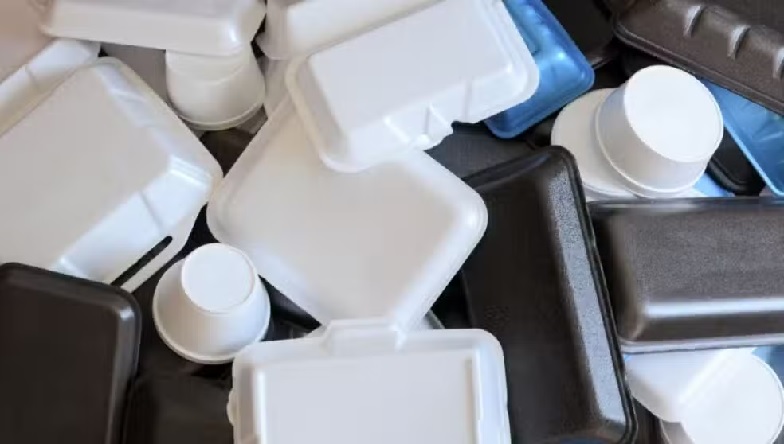
Styrofoam is used in many products used every day, such as foam packaging, egg cartons, fast food plates and cups.
The first problem with Styrofoam is that it is almost 95% air. So while Styrofoam is great at keeping things clean and safe, it takes up more space than necessary when shipping anywhere.
The second and most serious problem with Styrofoam is its porosity. Because it is widely used in the food industry, it absorbs anything it comes into contact with and is very difficult to clean.
Ultimately, the recycling process for this type of styrofoam is complicated and labor-intensive, but it doesn't offer much financial benefit, so you won't find many recycling facilities that accept Styrofoam.
Instead, you can send them to companies that accept donations. As for Styrofoam food containers, it's best to avoid them altogether.
Toothpaste tube
Traditional toothpaste tubes aren't made of just plastic. Instead, they often have multiple layers of different materials, which helps keep the toothpaste fresh. However, this design also makes it difficult to recycle, as separating the layers is too laborious.
Because recycling these tubes isn't always possible, most of the 1.5 billion toothpaste tubes used each year end up in landfills or the ocean.
Many major toothpaste brands are now switching to recyclable tubes made from HDPE, one of the most easily recyclable plastics. Next time you buy a toothpaste tube, check to see if it can be recycled!
Children's toys
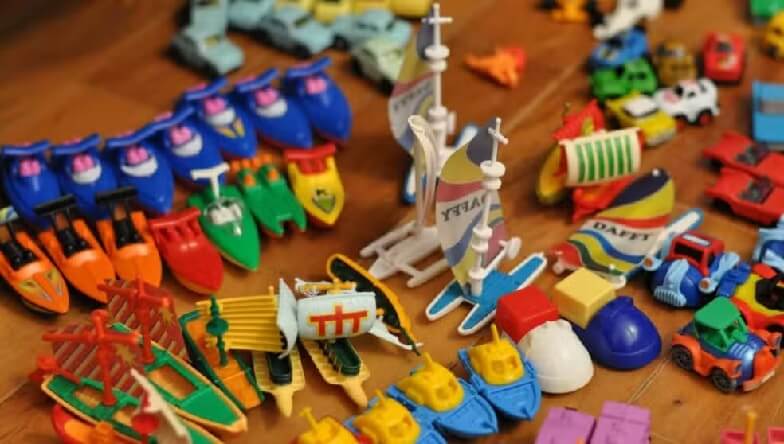
Most children's toys outlive their owners by centuries. Most are made of hard plastics, such as acrylonitrile butadiene styrene (ABS) or polypropylene (PP)—plastics that are durable enough to withstand the destruction that only children can inflict.
The downside? These plastics often contain additives and chemical treatments that complicate the recycling process, making them difficult to break down or reuse. There are also complex toys made from a mix of materials – wood, wire, metal, and various plastics like polycarbonate or PVC – that are nearly impossible to sort for proper recycling.
Since used children's toys can't be thrown in curbside recycling bins, consider recycling, donating, or donating them.
Pyrex glass
The advantage of Pyrex glass is that it has been specially treated to withstand high temperatures. This is why it is a great cookware, but that can be a problem when it comes to recycling.
At temperatures that would melt regular glass, Pyrex glass can still withstand it.
If your Pyrex glassware breaks or chips, sadly you can't throw it in the recycling bin, it has to go in the trash. Remember to wrap the broken pieces in newspaper to protect the waste disposal workers.
Paper shopping receipts
Every time you go to the store, you get one of those thermal receipts. And sure enough, they start piling up. But unlike regular printer paper, these receipts can't be recycled.
Shopping receipts are often printed on paper coated with bisphenol-A (or bisphenol S), a toxic chemical that makes them difficult to recycle. You can't even compost these receipts, as these toxic chemicals can leach into the soil. They're also pretty useless because they fade quickly!
You can decline a shopping receipt if you don't need one, or better yet, request an electronic receipt.
FAQ
What should you know about types of non-recyclable waste you may not know?
In practical terms, want to improve your waste sorting skills? Here are some non-recyclable items and ways you can reuse them.
Why does types of non-recyclable waste you may not know matter?
The article highlights that here are Some non-recyclable items and how you can dispose of them.
What is the main takeaway?
The main takeaway is that remember to wrap the broken pieces in newspaper to protect the waste disposal workers.
Related Articles
 Surprising Truth About Non - recyclable Items6 minutes read
 Different Ways to Classify Waste: Complete Guide5 minutes read
 The Truth About Recycling E-waste and Its Effectiveness10 minutes read
 Recyclable Items That Not Everyone Knows About6 minutes read
 How Are People Using Plastic to Destroy Nature?4 minutes read
 Finding Two Breakthrough Solutions in Plastic Waste Treatment4 minutes read
Reader Comments 0
Sign in with email or Google to join the discussion.