Table of Contents
This guide provides a clear, practical overview of without electrolysis, splashing a microwave into the water, with useful context, important details, and straightforward takeaways for everyday readers.
This discovery could radically change energy research, and has the potential to be a key opening up opportunities to eliminate carbon emissions from industrial production lines. The new research has been published in the prestigious scientific journal Nature.
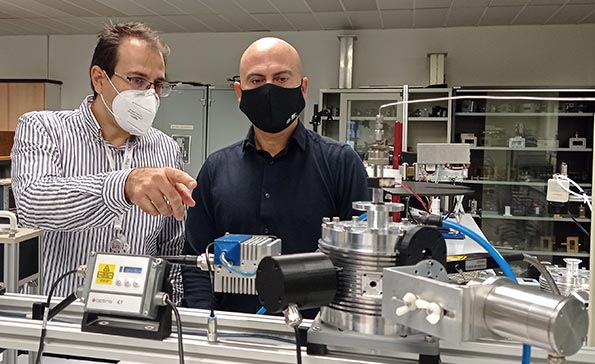
Photo: upv.es.
The technology developed by UPV and CSIC is based on the effect of dissolving solid materials of microwaves, specifically in this experiment, the team used cerium oxide as an intermediate allowing the microwaves to exert their . The new method allows scientists to produce electrolysis results without the need for electrodes. In addition to simplifying the process as well as reducing costs, the microwave method allows the device to perform the reaction more flexibly and easily to control.
' This is a technology with great potential for applications, especially in energy storage, in the production of synthetic fuels and chemicals that do not harm the environment. These aspects are important at the moment, as both the transportation and industries are trying to reduce emissions and electrify manufacturing processes, '' said Professor José Manuel Serra from the Institute of Chemical Technology. (ITQ) emphasized.
Clean hydrogen is used in industrial and transportation industries

Aqueous solution will have 2 parts hydrogen per part oxygen. Separating these two substances from water, we will have an abundant source of hydrogen and oxygen.
According to the researchers, the main effect of the new technology is to produce clean hydrogen from water, for use in industry and transportation. As the group pointed out, vehicles that do not use fossil fuels will greatly benefit from the new technology, including asphalt cars and outgoing ships and cargo ships. In addition, the chemistry, metallurgy or pottery industry will also directly benefit from the new chemical synthesis method.
' This approach can turn renewable electrical energy, which would normally come from solar or wind power systems, into profitable products and clean fuels. It has great potential for applications and we expect new utilities in the energy storage and chemical processing industries to emerge soon , '' said Professor José Manuel Catalá.
In the study published in Nature, the team of scientists offers both a study of the correlation between technological and economic factors, showing how the new method will be more efficient than before, with grounds Hydrogen production has construction costs competitive with the technology we currently have.
This is how they achieve breakthroughs
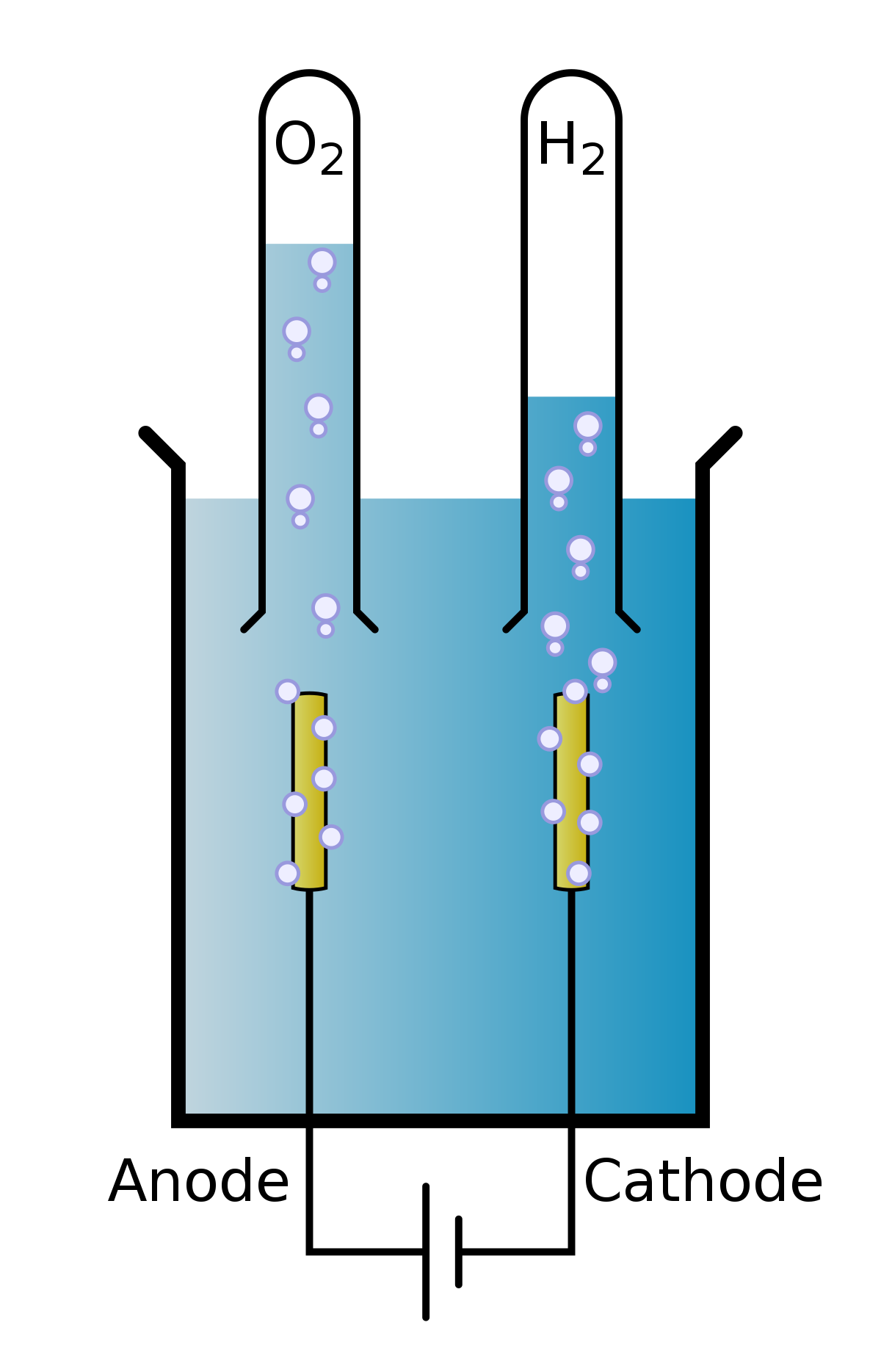
Unlike the conventional electrolysis method that requires electrodes, the new method requires only a microwave-generating device.
They observed that ionic materials change properties when interacting with microwaves, especially the material's ability to conduct electrons - which does not occur when the material is heated in the usual way. ' We are curious about the sudden changes in the electrical properties of matter, wanting to understand how this process works. For that reason, the team will continue to experiment, with new microwave reactors and other data analysis techniques, '' Professor Catalá said cheerfully.
They confirmed that interactions between the microwave and the material would affect the electrons, pushing oxygen away from the material's chemical structure. ' At first glance, we realize the potential application of new discoveries, especially as humanity sets the goal of eliminating greenhouse gases within the next two decades ,' concluded Professor Serra.
From super fast rechargeable batteries to space travel
Teams from UPV and CSIS are exploring future applications of the new technology, they are currently focusing on super-fast rechargeable batteries. According to Professor Catalá, the new charging method they suggest can fill the battery in seconds.
Another application would be to make oxygen by microwaves, which immediately opens up new possibilities. Imagine bases for the Moon, Mars and other planets further afield that have oxygen-generating systems without the need for photosynthesis.
Key Takeaways
Use the information above as a practical reference for without electrolysis, splashing a microwave into the water. Review each step carefully, confirm any requirements, and choose the option that best fits your situation.
FAQ
What does this guide explain about Without Electrolysis, Splashing a Microwave into the Water?
It explains the main concepts, practical considerations, and useful steps related to without electrolysis, splashing a microwave into the water without requiring advanced knowledge.
Who can benefit from learning about Without Electrolysis, Splashing a Microwave into the Water?
This information is useful for readers who want a clear overview, practical guidance, and reliable steps related to without electrolysis, splashing a microwave into the water.
What should I check before applying this information?
Review the requirements, confirm that your device, software, or situation matches the instructions, and back up important data before making major changes.
Related Articles
 What Is Hydrogen Water? What Does Hydrogen Water Do for Health?6 minutes read
 Floating Equipment Can Obtain Hydrogen Gas from Seawater5 minutes read
 Transforming Plant Waste into Catalysts for Producing Clean Hydrogen5 minutes read
 What Is Hydrogen Water Purifier? Is Hydrogen Water Purifier Good?5 minutes read
 What Is a Microwave? Structure and Utility of a Microwave in Life7 minutes read
 Can Glass, Plastic, Wood and Porcelain Cups Be Used for Microwave6 minutes read
Reader Comments 0
Sign in with email or Google to join the discussion.