Table of Contents
What is Sport driving mode on a car? How does sport driving mode work?
What is Sport driving mode on a car? How does sport driving mode work? Let's find out together!
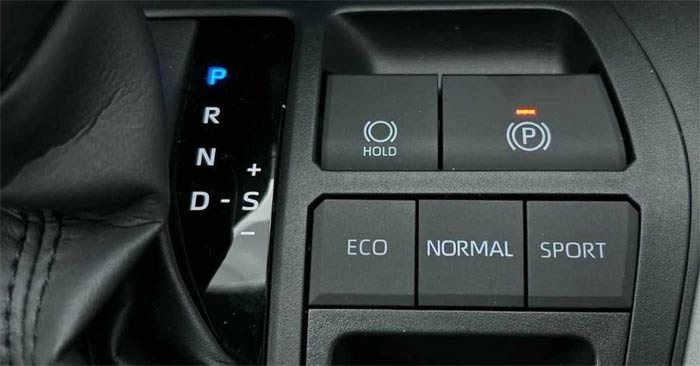
If you've ever glanced at your car's center console or dashboard and seen a button labeled Sport (or "S" on some gearshift knobs), you might have wondered what it does. Is it just a gimmick, or does it actually change the way you drive?
Sport mode is designed to enhance the driving experience, making the car more responsive and dynamic. But how does Sport mode work, and should you use it often?
How does sport driving mode work in cars?
Sport mode is essentially a performance-enhancing setting that adjusts the car's engine, transmission, and sometimes suspension and steering. When this mode is activated, the car's behavior changes as follows:
- Sharper throttle response: Your car will accelerate faster because sport mode adjusts how quickly the engine responds to the accelerator. In practice, less lag and more instant power.
- Higher RPM before shifting: If your car has an automatic transmission, sport mode will help your car stay in gear longer before shifting. This helps the engine accelerate faster, providing more power when needed.
- Stiffer Steering: Some cars also adjust the steering weight in sport mode, making the car firmer and more grippy. This can give a sportier feel, especially when cornering hard.
- Stiffer suspension: On advanced cars with adaptive suspension, sport mode can stiffen the car, reducing body roll when cornering and providing a more planted feel.
- Improved Exhaust Sound: Many performance cars tune their exhaust systems in sport mode, making them louder and more powerful. Some cars do this mechanically, while others use speakers to enhance the sound.
Not all cars have the same Sport mode features – some can only adjust throttle response and gearshift timing, while high-performance models tweak multiple driving modes.
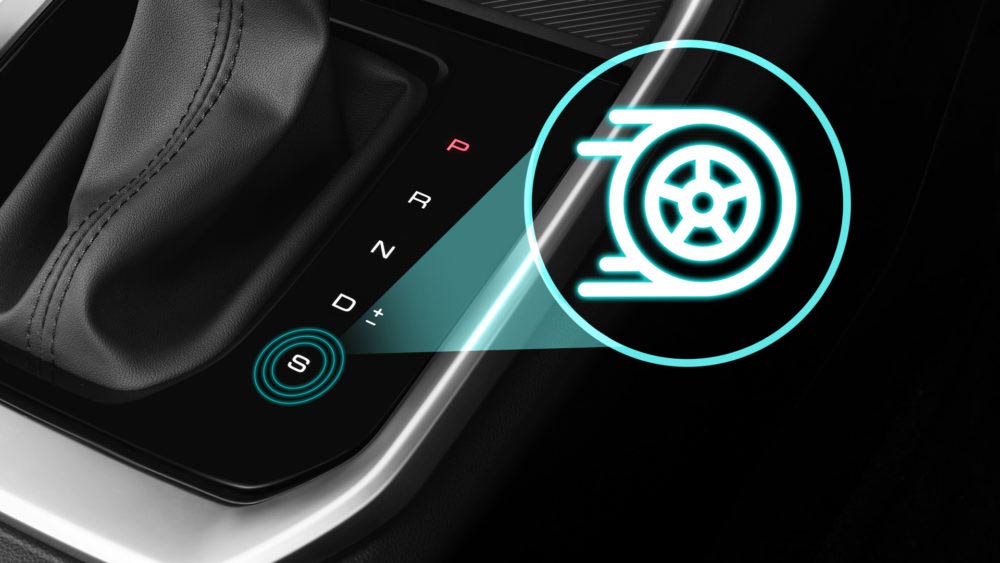
When should I use Sport Mode?
Should you leave sport mode on all the time? Not necessarily. While it can make driving more fun, it's not always practical.
Sport mode is ideal in situations where improved performance and responsiveness are beneficial. For example, when merging onto the freeway, quicker throttle response and higher engine revs can make for smoother, safer acceleration. On winding roads, Sport mode enhances cornering control, making for more enjoyable highway driving. It's also great for overtaking, as the improved responsiveness allows for more confident acceleration.
If you simply want a more engaging driving experience, sport mode can make even the daily commute enjoyable.
That said, there are times when you should avoid using sport mode. In everyday city driving, especially in stop-and-go traffic, sport mode can make the car jerky and uncomfortable.
If fuel economy is a concern, it's best to turn off sport mode, as it tends to use more fuel due to longer gear holding and higher rpms. Likewise, in wet or icy conditions, the more aggressive throttle response in sport mode can cause the car to lose traction more easily, which can be dangerous.
Also, on long stretches of highway, when you're traveling at a steady pace, sport mode doesn't offer much benefit, it can only increase fuel consumption.
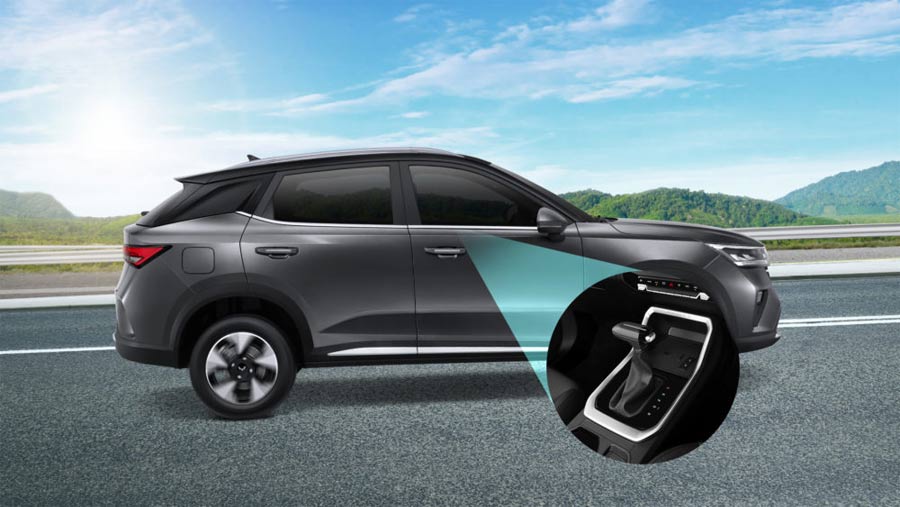
If you like a more engaging and responsive driving experience, sport mode is definitely worth checking out. It won't turn your family sedan into a race car, but it can make your car more dynamic and fun to drive. Just keep in mind that this isn't the best option for every situation, especially if you want to maximize fuel efficiency.
FAQ
What Is Sport Driving Mode on a Car: Explained?
In practical terms, what is Sport driving mode on a car? How does sport driving mode work.
Why does what is sport driving mode on a car matter?
The article highlights that how does sport driving mode work in cars.
What is the main takeaway?
The main takeaway is that in everyday city driving, especially in stop-and-go traffic, sport mode can make the car jerky and uncomfortable.
Related Articles
 How to Turn Off Driving Mode: Step-by-Step Guide5 minutes read
 How to Turn Off Driving Mode: Clear Instructions5 minutes read
 How to Turn on Sports Mode on TV to See the World Cup Smooth7 minutes read
 Google Assistant Is Updated with a Variety of New Features to Become Smarter, Even Knowing Where5 minutes read
 Android Auto: Complete Guide6 minutes read
 How to Use the Feature Do Not Disturb When Driving on iOS 116 minutes read
Reader Comments 0
Sign in with email or Google to join the discussion.