Table of Contents
This guide provides a clear, practical overview of "Scientists Reveal What Makes a Scent So Unpleasant". It organizes the most useful details, explains important considerations, and highlights the steps or choices that matter most.
The emotional mystery behind the sense of smell
Imagine you accidentally put a dish made with fish sauce in the microwave and heat it up, a strong smell fills the kitchen, even haunting your clothes. It is a smell that few people like, if not downright disgusting. But what makes the brain label a scent as unpleasant?
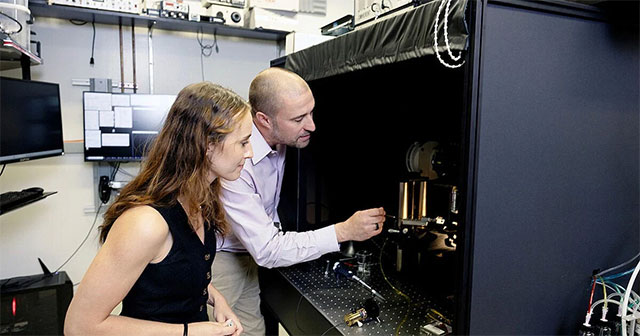
New research from the University of Florida (UF Health) has explored how the brain determines when a smell is unpleasant—even strongly repulsive. As lead author Sarah Sniffen, a graduate student in the department of psychiatry, explains: 'How can scents influence human emotions?'
Mechanism of assigning emotional value to scent
Our world relies on the power of smell in many different areas. "Smell is a powerful emotion," explains study author Professor Dan Wesson. "We've known for a long time that smell can trigger emotional responses that are equal to, if not greater than, visual, music, or other sensory stimuli."
However, until now, scientists have not understood how the brain connects the area that generates emotional responses with the area that processes odors.
The team focused on the amygdala, the brain region that shapes emotional responses to sensory signals. In fact, all five senses interact with the amygdala, with the sense of smell having a more direct route.
This is why scientists claim that smell is the most 'emotional' sense. Not only does scent evoke strong emotional memories, but the olfactory center is also closely connected to emotional centers like the amygdala.
Research in mice (which have similar nervous systems to humans) has found two genetically distinct types of brain cells that help classify smells as having a positive or negative emotional response. Surprisingly, these cells aren't fixed in "good/bad" roles.
" The same cell can make a scent feel positive or negative to you. It all depends on where the cell projects to in the brain and how it interacts with brain structures, " explains Professor Wesson.
Potential clinical applications
Why is understanding how to classify smells important? Scientists point out: "We are constantly breathing, which means we are constantly receiving olfactory signals. For normal people, this does not affect life. But for people with excessive sensory reactions - such as patients with PTSD, anxiety or autism - this is a vital factor."
This discovery paves the way for clinical applications:
- Regulating Overreactions: Like Patients Who Hate/Fear the Smell of Hospitals
- Developing drugs that block neural pathways to overcome stress responses
- Activating emotional pathways restores pleasure in patients with disease-induced loss of taste
Emotions determine the quality of our lives. Understanding how our environment affects our emotions can help us become happier and healthier. Research has not only unlocked the mysteries of smell, but also opened the door to emotional healing through our most unique sense.
FAQ
What should you know about the emotional mystery behind the sense of smell?
Imagine you accidentally put a dish made with fish sauce in the microwave and heat it up, a strong smell fills the kitchen, even haunting your clothes. It is a smell that few people like, if not downright disgusting. But what makes the brain label a scent as unpleasant?
What should you know about mechanism of assigning emotional value to scent?
Our world relies on the power of smell in many different areas. "Smell is a powerful emotion," explains study author Professor Dan Wesson. "We've known for a long time that smell can trigger emotional responses that are equal to, if not greater than, visual, music, or other sensory stimuli."
What should you know about potential clinical applications?
Why is understanding how to classify smells important? Scientists point out: "We are constantly breathing, which means we are constantly receiving olfactory signals. For normal people, this does not affect life. But for people with excessive sensory reactions - such as patients with PTSD, anxiety or autism - this is a vital.
Related Articles
 Toilets Cost 3,300 Usd: Use Stool to Grow Flowers on the Roof3 minutes read
 Smartphone Scent Will Be Sold Globally3 minutes read
 How to Bring the Scent of Christmas Into Your Home5 minutes read
 Choosing a Photo That Makes You Feel the Most Annoying Will Reveal4 minutes read
 MIT Scientists Can 'Hack' Your Dreams with Sound and Scent4 minutes read
 Intel Is Developing a Chip That Can Distinguish Scents3 minutes read
Reader Comments 0
Sign in with email or Google to join the discussion.