Table of Contents
Tsunamis are a terrifying natural disaster. So what should you do to survive when faced with one?
Tsunamis Are a terrifying natural disaster. So What should you do to survive when faced with one? Here's what You should know.
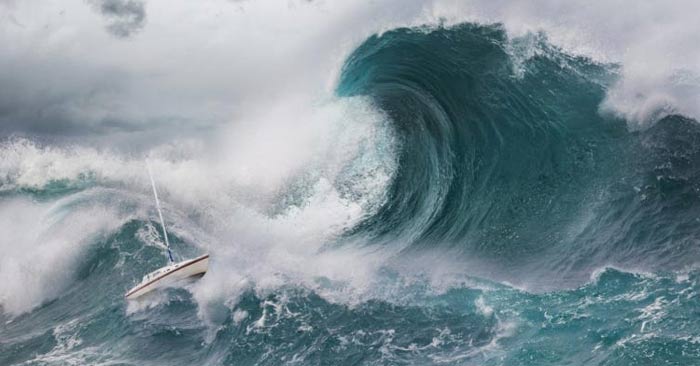
Understanding the power of tsunamis
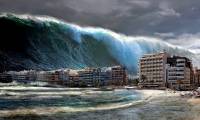
These giant waves are caused by underwater earthquakes, volcanic eruptions, or landslides. The ocean floor shifts and pushes water up, creating waves that can travel across the ocean at speeds of up to 500 miles per hour. While they may seem small on the ocean floor, they rise up into huge walls of water when they reach shallow coastal areas, sometimes flooding miles inland.
The 2004 Indian Ocean tsunami was triggered by a magnitude 9.1 earthquake off the coast of Sumatra. Waves as high as 30 meters devastated several countries and killed more than 230,000 people. The 2011 Japanese tsunami killed more than 18,000 people and triggered the Fukushima nuclear disaster.
But among these tragedies, there are incredible stories of survival that offer important lessons in tsunami survival.
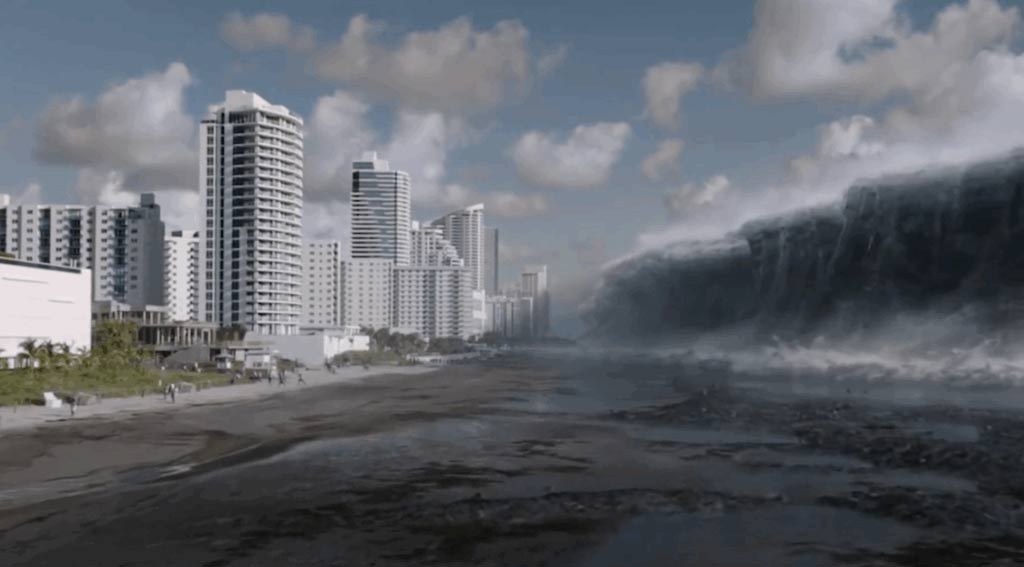
Tsunami survival tips
Hold on to anything that floats
Maria Belón was on vacation in Thailand with her family when she heard a terrifying roar just before the tsunami hit. She was crushed by debris and seriously injured in the water. She later found her son and tried to reach him. Together, they climbed a tree and were rescued. Her story, the inspiration for the movie The Impossible, is a reminder that holding on to something stable or buoyant can help you survive until rescue arrives.
Learn the warning signs and act quickly
Tsunamis are often preceded by natural warning signs, such as sudden water withdrawal from the shore or a strange roar from the ocean. If you see or hear anything unusual after an earthquake, get to high ground immediately. A few seconds can make a difference.
Avoid dangerous areas
In 2018, a tsunami hit Palu, Indonesia, after a 7.5 magnitude earthquake. The village of Petobo, built on reclaimed wetlands, was destroyed by liquefaction, a process in which soil mixes with water and turns into a deadly wave of mud. One man, Muhlis Ipul, was buried in the mud but survived by clinging to a cable and being carried to safety. Sadly, he never found his wife and children again. So, if possible, avoid settling in areas at risk of geological disasters.
Prepare carefully and know the evacuation route clearly.
Akiko Iwasaki, a hotel owner in Kamaishi, Japan, saved many lives during the 2011 tsunami. After the earthquake, she followed emergency training procedures, turned off the gas and electricity, and led guests to higher ground. When she returned to help others, she was caught in the tsunami but survived by climbing onto the roof of a bus and eventually making it to safety.
Her story underscores the importance of knowing your escape route in advance. If you live in a coastal area, identify safe areas and practice evacuation drills. Knowledge and quick action can save lives.
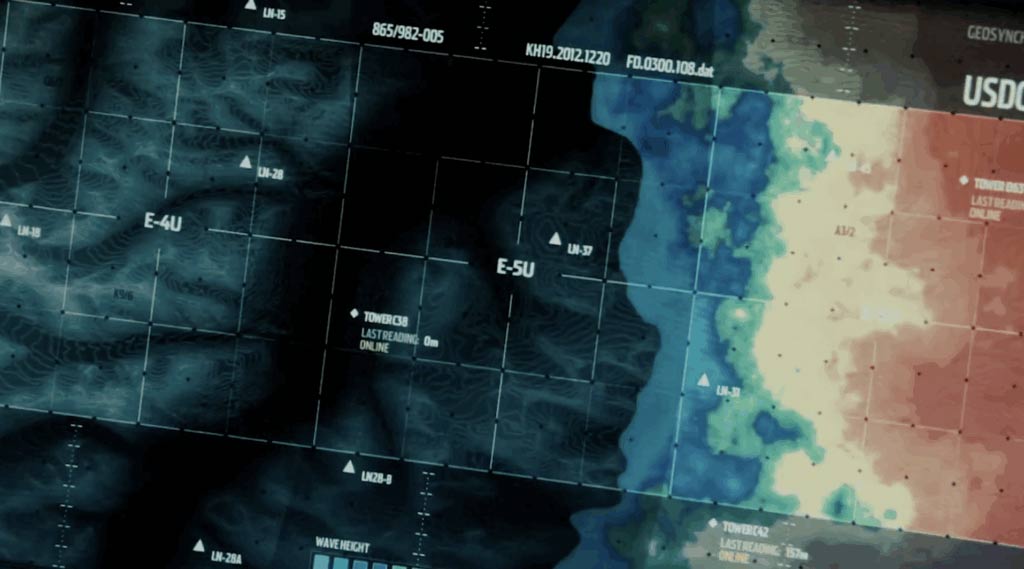
Know how to use technology
Today, detecting tsunamis is easier than ever. Devices called tsunami gauges sit on the ocean floor and detect changes in water pressure. These sensors relay information to monitoring stations, giving people crucial time to evacuate. Some systems can provide warnings minutes or even hours in advance.
For those who cannot evacuate quickly, tsunami survival pods are available. These sealed, floating pods can hold multiple people and are built to withstand water pressure and crushing debris. Although expensive, they are an option for people in high-risk areas.
FAQ
How do you survive a tsunami: step-by-step guide?
In practical terms, tsunamis are a terrifying natural disaster. So what should you do to survive when faced with one.
What should you check before getting started?
Review the requirements, compatible device or software version, and any warnings described in the guide before making changes.
What should you do if the steps do not work?
Repeat the steps in order, confirm that your app or system is up to date, and review the troubleshooting details provided above.
Related Articles
 What Is the Biggest and Most Horrifying Tsunami in Modern History4 minutes read
 Underwater Sound Waves Can Help to Alert Tsunami Earlier3 minutes read
 Google Shares the Source Code of Tsunami, an Enterprise Vulnerability5 minutes read
 How to Upgrade Your Carry Capacity in Escape Tsunami for Brainrots5 minutes read
 Tsunami: the Cause of Terrible Formation and Destructive Power That2 minutes read
 The Ancient City Buried in the Seabed 1,700 Years Due to the Tsunami4 minutes read
Reader Comments 0
Sign in with email or Google to join the discussion.