Table of Contents
Thunderstorms are a nightmare for most of us, especially for those who have to go out at that time. Here are some interesting facts that you never knew about storms.
Thunderstorms are really a nightmare for most of us, especially for those who have to go out at that time.
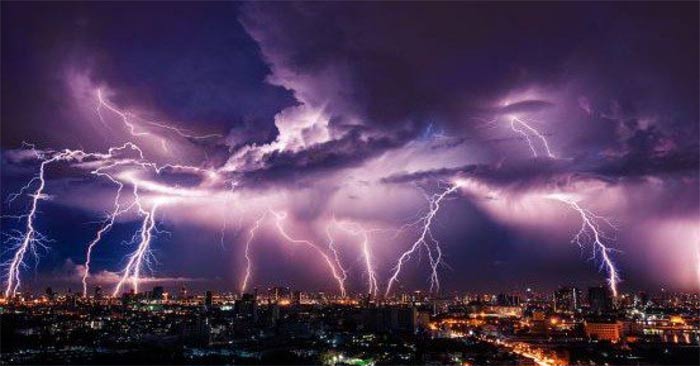
A thunderstorm is not just cloudy skies, thunder and lightning, and pouring rain. After a while, the rain moves to another area, the sky becomes cloudy, then sunny… and if you're lucky, maybe even a rainbow. But there's more to a thunderstorm than that. Here are some interesting facts about storms that you never knew.
Lightning-resistant aircraft
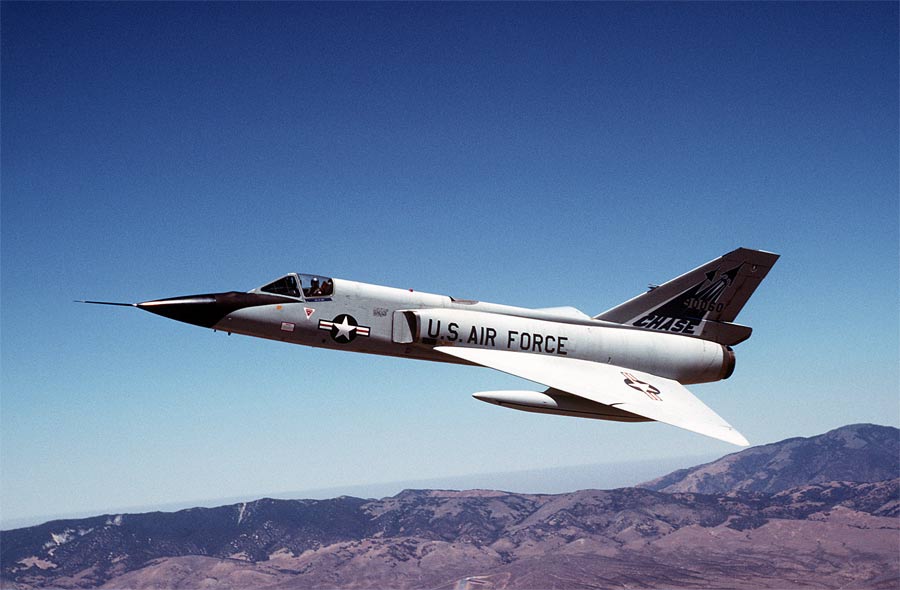
Back in the 1980s, NASA decided to fly an airplane through nearly 1,500 thunderstorms just to collect data on weather phenomena. The plane was called the F-106 Delta Dart, and it flew through exactly 1,496 thunderstorms. Whenever clouds rolled in and rain was forecast, NASA would send the Delta Dart up high, fly through the storm, and let it collect all sorts of data on the storm. Specifically, the purpose of flying through so many storms was to improve lightning protection in the aviation industry. And amazingly, it worked. The Delta Dart was struck by lightning more than 700 times during its flight, and it never crashed. These lightning strikes allowed NASA and major aircraft manufacturers like Boeing to learn how to prevent future lightning-related disasters.
Nowadays, a commercial airliner is struck by lightning once or twice a year. If you have flown many times in your life, chances are you have been on a plane that has been struck by lightning without even knowing it.
Don't swim in a thunderstorm
This isn't a fairy tale: taking a shower during a thunderstorm is actually a bad idea. Sure, the chances of you getting "struck" by lightning while taking a shower are slim. But it's not impossible! If lightning strikes your house during a thunderstorm, the charge can travel through the walls, reach the plumbing, and spread very quickly. If you have the water running at the time, the charge from the lightning can cause a serious shock.
People have actually been killed by lightning while bathing, washing dishes, and even doing laundry if they accidentally came into contact with water. That's why even indoor pools are closed during thunderstorms. Sure, the risk is one in a million, but it's not zero. So next time there's a thunderstorm, wait it out before you go swimming.
Does metal really attract lightning?
Do metal structures, or metal on the body, attract lightning? Some misconceptions have been debunked.
Here's a persistent thunderstorm myth that never seems to go away: metal attracts lightning. Some people believe that having many metal on your building, or wearing metal jewelry or watches, puts you at risk of being struck by lightning during a thunderstorm. But that's not entirely true.
In fact, the height and peak characteristics of a structure (or tree) are the most dominant factors in determining whether it will be struck, as well as whether it will be struck alone or in groups. Metal has absolutely no bearing on the frequency of lightning strikes. Natural objects and tall buildings that stand out in the sky are at higher risk. So when a thunderstorm comes, get down from the tree or stay away from the top floor of an outdoor observation tower. Find shelter on the ground and wait it out.
The 'metal' myth of conduction has been around for a long time. So when lightning strikes an area, it can travel quickly through metal and cause many damage. So you should stay away from metal fences, railings, bleachers, etc. But you don't have to take your watch off just because there's a thunderstorm outside.
"Animal" rain
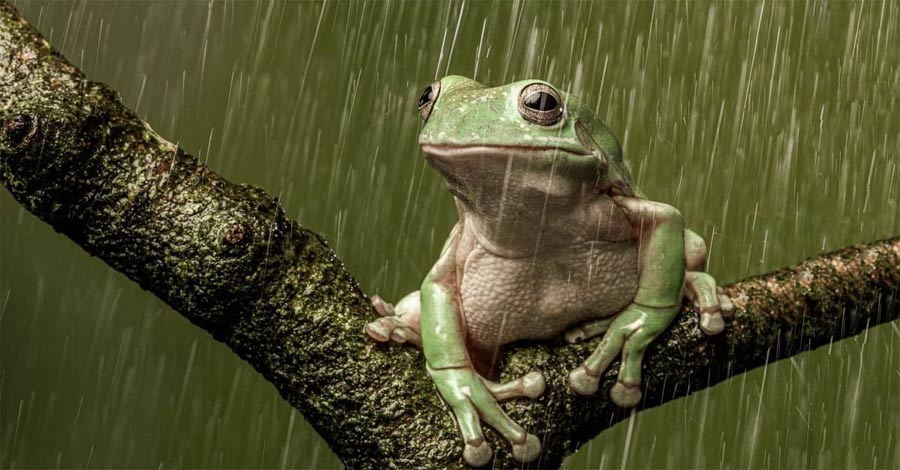
Frogs, rats, fish, and all sorts of other small creatures can descend on a town or area during a particularly heavy rainstorm. While this is one of the strangest phenomena imaginable, it's actually not that uncommon.
It's so well documented, and the cause is so well understood by meteorologists, that weather experts are no longer confused when frogs fly from the sky during storms. The cause is never the rain itself, but the strong winds it often creates. When these winds hit, if there's any water they're sweeping through, beware. Fish, frogs, and other aquatic creatures can get caught in the tangle, and then be carried far and wide, relentlessly, during storms. They don't weigh much, but there are many them, and where they end up depends entirely on the wind. In 2010, for example, a town in Australia was hit by a fish storm, literally thousands of fish falling on the heads of locals.
Forest fire
We all know that lightning can cause forest fires. But did you know that forest fires can actually cause lightning strikes?
Smoke and carbon microscopic particles from wildfires rise into the upper atmosphere after being blown into the air during the burning process. Over time, these particles become hot spots of static electricity. And when the atmosphere above a wildfire receives enough static charge from these dangerous particles, it can cause lightning strikes. This is common in areas with lots of low trees or large areas of agricultural land. Large lightning storms have been reported from wildfire activity in places like Brazil, Hawaii, and Peru after controlled burning of sugarcane fields.
Some scientists have even found that waste from petrochemical plants is responsible for the high rate of lightning strikes in nearby areas.
After the storm is not yet safe
Everyone thinks that all is calm after the storm. But in reality, the time immediately after a storm can actually be the most dangerous. Lightning, rain, and wind are scary enough, but if you find shelter, you'll be mostly okay.
The real danger comes from rushing out immediately after a major storm. A particularly severe storm can leave trees down, power lines down, flooding, debris, broken glass, and all sorts of sharp objects strewn about. Combined with broken traffic lights, it can create chaos on the roads.
FAQ
What should you know about little known facts about storms?
In practical terms, thunderstorms are a nightmare for most of us, especially for those who have to go out at that time. Here are some interesting facts that you never knew about storms.
Why does little known facts about storms matter?
The article highlights that specifically, the purpose of flying through so many storms was to improve lightning protection in the aviation industry.
What is the main takeaway?
The main takeaway is that large lightning storms have been reported from wildfire activity in places like Brazil, Hawaii, and Peru after controlled burning of sugarcane fields.
Related Articles
 What Happens When Two Storms Clash: Twin Storms1 minutes read
 Why Do Storms Around the World Often Have Women's Names?4 minutes read
 Ways Solar Storms Could Destroy Life on Earth: Explained6 minutes read
 Sitting and Playing Games Under a Tree in Stormy Weather, 23 minutes read
 Here's How Solar Storms Help Develop Life on Alien Planets: Complete Guide6 minutes read
 What Is Solar Storm? How Solar Storm Affects the Earth4 minutes read
Reader Comments 0
Sign in with email or Google to join the discussion.