Table of Contents
Intel is still one of the big guns in the CPU space (and now GPUs too), but it's struggled to keep up with the new era. The company has struggled with yield on its latest silicon technologies and manufacturing processes — which, if you've been following Intel for a while, isn't too surprising.
Intel's next-generation manufacturing process, called 18A, is suffering from low yields, according to sources familiar with the company's internal data. The Panther Lake chips expected to launch this year will be made on the 18A process. If Intel succeeds in mass-producing them and bringing them to market, it will leapfrog TSMC, which has yet to mass-produce any chips using its upcoming 2nm process.
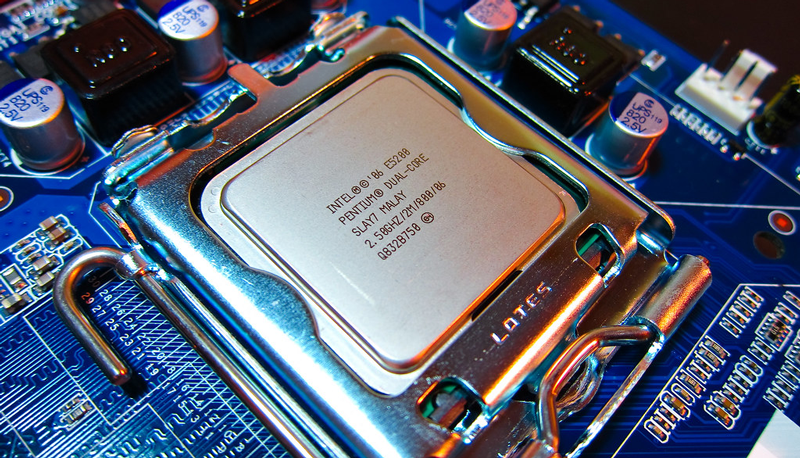
That said, as of late last year, Panther Lake's yield rate — the percentage of usable chips from a silicon wafer — was reportedly as low as 5%. While that number improved to around 10% this summer, it's still well below what's needed for profitable mass production. Historically, Intel has aimed for yields above 50% before ramping up production to avoid hurting margins, and true profitability for a complex chip isn't achieved until yields reach around 70% to 80%.
Panther Lake chips made on the 18A process are said to have a defect density that is approximately three times higher than what is acceptable for volume production. Without a significant improvement before the expected launch, Intel could be forced to sell these new chips at significantly lower profit margins, or even at a loss.
Intel executives have pushed back against these negative assessments, however. In a July interview, CFO David Zinsner disputed specific productivity numbers, claiming that 'the productivity rate is better than that,' though he declined to provide an exact figure.
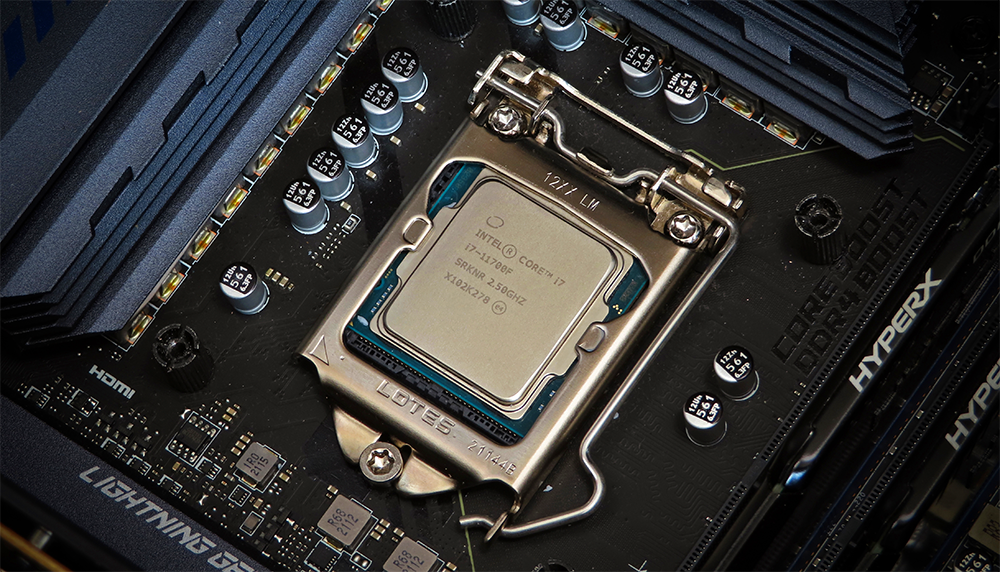
One of the reasons this happened seems to be because Intel was so focused on regaining the performance advantage that it ended up using a lot of unproven technology at the same time.
This includes a new generation of transistor designs and a completely new way of powering the chips. The company has publicly warned that it could exit advanced chipmaking altogether if its next manufacturing process, 14A, fails to gain traction outside of the company.
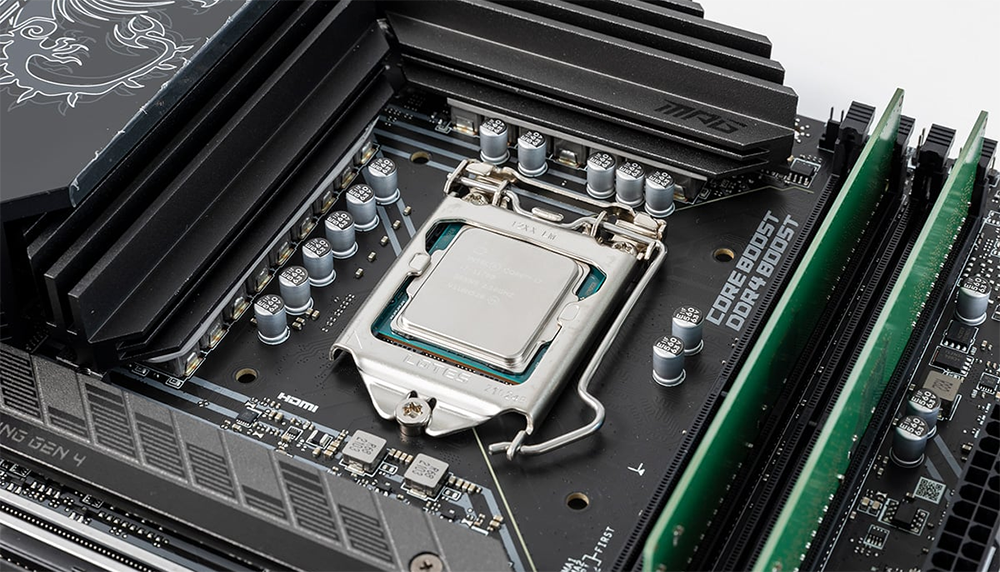
This is not a new story for Intel, which has struggled for years to keep up with rivals like TSMC in shrinking, speeding up, and improving the efficiency of its silicon.
An older example is that Intel's 2021 11th-gen desktop chips will continue to use the company's 14nm process, even as competitors like AMD have moved to 10nm and are in the process of moving to 7nm. Intel has been trying to catch up and overtake its competitors for years, and if it does this year, it will likely be after a tough and potentially costly fight.
Final Thoughts
Overall, Intel Is Struggling with Chip Production Capacity is best understood by considering the main facts, practical context, and limitations together. Use the details above as a clear starting point and confirm time-sensitive information when necessary.
FAQ
What does this article explain about Intel Is Struggling with Chip Production Capacity?
Intel is still one of the big guns in the CPU space (and now GPUs too), but it's struggled to keep up with the new era.
What should you know about the key details?
Intel's next-generation manufacturing process, called 18A, is suffering from low yields, according to sources familiar with the company's internal data. The Panther Lake chips expected to launch this year will be made on the 18A process.
Should time-sensitive details be verified?
Yes. Software features, game codes, product specifications, prices, and research findings can change. Confirm important details with an official or primary source when accuracy affects your decision.
Related Articles
 Microsoft Released an Intel Chip Patch4 minutes read
 Intel Cooperates with Microsoft with the Ambition to Regain the Number 15 minutes read
 Intel Is About to Launch a New Wi-Fi Chip That Makes Web Browsing Speed Unbelievably Fast3 minutes read
 The Generation of Intel CPU Chip Ever8 minutes read
 Intel Panther Lake Launched: CPU and GPU Performance Increased by up to 50%4 minutes read
 Intel Introduced Chips That Act Like Human Brains3 minutes read
Reader Comments 0
Sign in with email or Google to join the discussion.