Table of Contents
This practical guide explains how to choose delicious, naturally ripe fruit. Follow the steps in order, review the requirements first, and use the troubleshooting notes when a setting or option does not work as expected.
Have you ever fumbled around squeezing an avocado to see if it was ripe, only to end up buying an avocado that was either underripe or overripe? You're not alone. Choosing naturally ripened fruit is easy and requires no guesswork. Here's a step-by-step guide.
How to choose ripe avocado
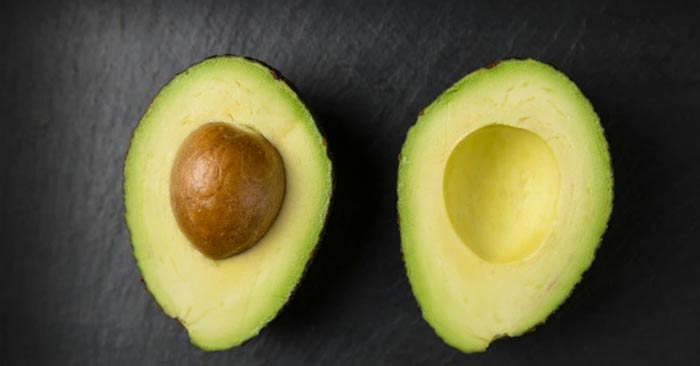
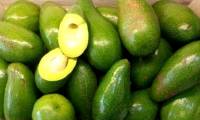
Avocados are delicious, creamy fruits packed with nutrients, but finding the perfect avocado at the store can be difficult. They ripen quickly and it's not always easy to tell which ones are ripe and which ones need more time.
Look for avocados that are soft to the touch and come in a variety of sizes, shapes, and colors—from green to black. Brown spots on the skin do not affect quality. Ripe avocados tend to have darker skins and will give slightly when gently squeezed. You can also buy firmer, green avocados and ripen them at home.
How to choose ripe bananas
Bananas are a popular snack—sweet, convenient, and full of energy. But finding the right ripe bananas can be a bit of a guessing game at the grocery store.
Choose bananas that are firm, unbruised, and have yellow skin with green patches. If necessary, ripen bananas at room temperature. Bananas that are yellow are ripe, but they are usually best when the first brown spots appear. If you want your bananas to last a few more days, choose greener ones and let them ripen at home.
How to choose ripe watermelon
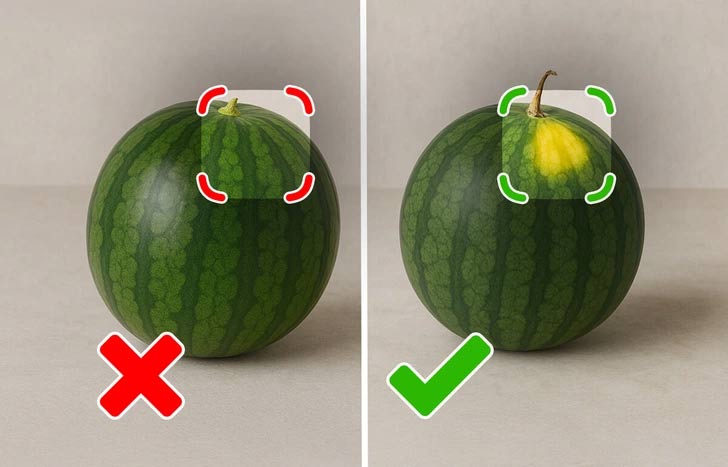
Melons are a great thirst quencher, but choosing a ripe, juicy fruit can be a mystery. With so many shapes, colors, and varieties, it can be easy to get caught up in your choices.
Look for melons that are symmetrical in shape and have a dull surface—cream on the underside for watermelons. A ripe watermelon should feel heavy, have a dull rind, and sound hollow when tapped. A shiny watermelon may still be unripe. Cantaloupes should smell sweet and have a uniform mesh on the outside.
How to choose good peaches
Buying peaches can be difficult for many people, because sometimes they look perfect but are hard, flavorless, or overripe. Choose peaches that are deep in color and have a sweet aroma. They should feel firm but slightly soft when pressed. Avoid any fruit with bruises or shriveled skin. These are signs that they are wilted or about to spoil.
Choose fruit with firm skins and seeds; softer fruit is sweeter and juicier. Allow them to ripen before refrigerating. A darker color is a sign of ripeness, especially around the stem.
How to choose ripe sweet citrus fruits
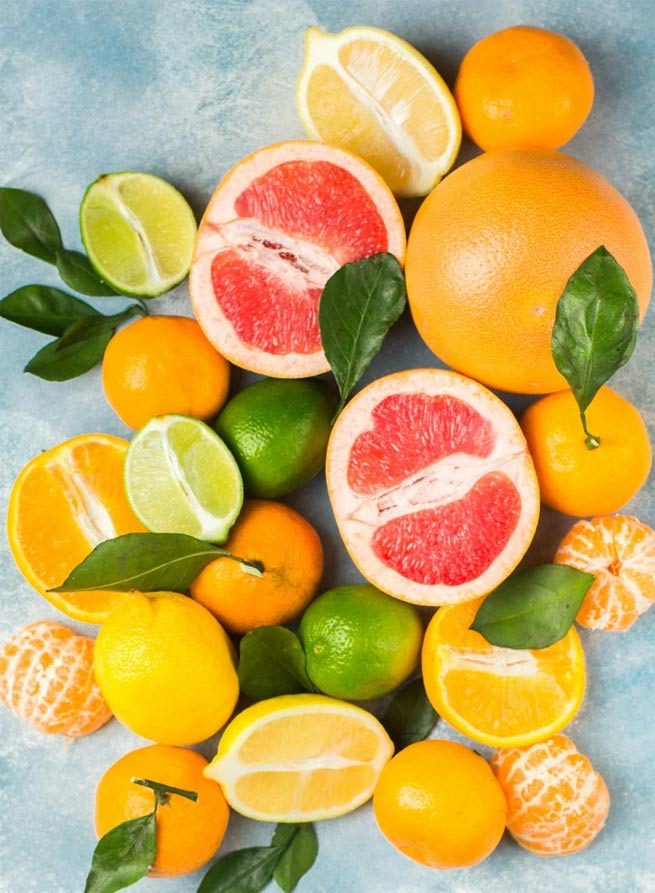
Citrus fruits and kiwis are full of flavor and vitamin C, but picking ripe ones can be a little tricky if you don't know the signs. The trick is often in the smell and feel.
A ripe citrus fruit should have a strong, pleasant aroma—smell near the stem or gently scratch the skin to check for sweet or sour scents. Firm fruit with bright, smooth-textured skin are often sweeter and more ripe.
How to choose crispy, delicious apples
Apples are a year-round favorite—crispy, juicy, and perfect for snacking or baking.
Choose apples that are heavy for their size and firm to the touch. The skin should have a natural shine and be free of bruises or blemishes. Look for a bright color and check that the stem is still intact—this will help the apple stay fresh longer. A ripe apple will have a pleasant, sweet aroma; if it smells strange or has wrinkled, mushy, or watery skin, it's past its prime. If you're picking apples, remember: apples on the outside edges of the tree ripen first, and gently twisting them will help preserve their freshness.
How to choose the freshest cherries
Cherries are a sweet summer treat, but picking the best ones can be tricky as color and size vary by variety. However, there are some clues that can help you pick the freshest, juiciest cherries.
Choose cherries that are plump, firm and brightly coloured. While the exact shade depends on the variety, the most glossy, darkest cherries with rich saturation and bright green stems are usually top quality. Avoid soft or shrivelled cherries and those with brown or dry stems, as these usually indicate they are past their prime or have been poorly stored. The firmer the cherry, the sweeter it is!
Buying ripe fruit doesn't have to be a gamble—or a rush in the produce aisle. With a few simple visual cues, a little ingenuity, and a little know-how, you can confidently pick out perfectly ripe fruit.
FAQ
How to choose ripe avocado?
Avocados are delicious, creamy fruits packed with nutrients, but finding the perfect avocado at the store can be difficult. They ripen quickly and it's not always easy to tell which ones are ripe and which ones need more time.
How to choose ripe bananas?
Bananas are a popular snack—sweet, convenient, and full of energy. But finding the right ripe bananas can be a bit of a guessing game at the grocery store.
How to choose ripe watermelon?
Melons are a great thirst quencher, but choosing a ripe, juicy fruit can be a mystery. With so many shapes, colors, and varieties, it can be easy to get caught up in your choices.
How to choose good peaches?
Buying peaches can be difficult for many people, because sometimes they look perfect but are hard, flavorless, or overripe. Choose peaches that are deep in color and have a sweet aroma. They should feel firm but slightly soft when pressed. Avoid any fruit with bruises or shriveled skin. These are signs that they are wilted or.
Related Articles
 The Secret to Helping Ripen Each Fruit with Natural Ingredients4 minutes read
 The Fruits Will Be Wrongly Selected Based on Color6 minutes read
 List of Fruits Voted the Rarest and Most Delicious in the World8 minutes read
 To Choose the Delicious Wax Butter, You Need to Apply the Following6 minutes read
 Experience in Selecting Delicious Avocados without Soaking Chemicals3 minutes read
 5 Signs of Delicious Fresh Strawberries4 minutes read
Reader Comments 0
Sign in with email or Google to join the discussion.