Table of Contents
This updated guide explores advantages and disadvantages of wireless charging with practical details, clear explanations, and useful takeaways. The modern version of wireless charging technology that we know today first appeared on phones in 2012. Despite many improvements over the years, is the technology really perfect or does it still have its limitations?
Wireless Charging: Speed and Supported Android Phones
In fact, the technology we call 'wireless charging' (or 'inductive charging') has been around since the 1970s. In 2009, Palm released the Pre phone with a magnetic inductive charging pad. Still, it wasn't until 2012 that the Qi standard – which is integrated into most modern smartphones – officially came into being. The Nokia Lumia 920 and Samsung Galaxy S3 were the first devices to use this technology.
The idea of wireless charging may sound simple – just place your phone on a pad without the need for cables – but there's more to it than that. Here's a look at the pros and cons of wireless charging technology.
Advantage
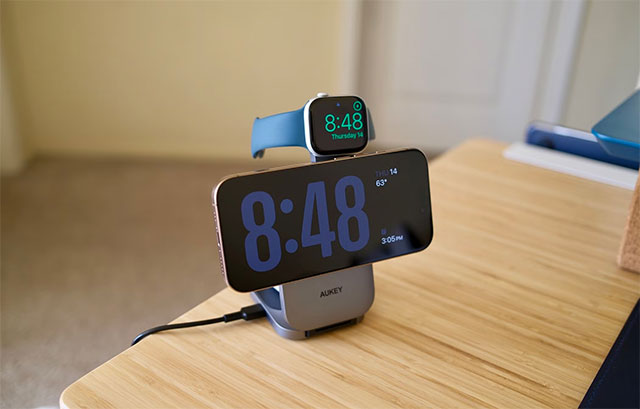
Maximum Convenience
The biggest selling point of wireless charging is convenience. There's nothing easier than simply placing your phone on the pad without having to plug it in or hunt for a charging port. This is especially helpful for people with mobility issues or who charge their phones multiple times a day. Just set it down and get on with it.
Neat Space
Wireless charging helps reduce cable clutter on your desk or nightstand. Some charging pads even support charging multiple devices at once (phone, watch, headphones), making cable management easier.
Charging Port Protection
Constantly plugging and unplugging cables can damage the charging port over time, leading to poor contact. Wireless charging reduces physical stress on the charging port, ensuring your device is always ready when you need a cable.
Disadvantages
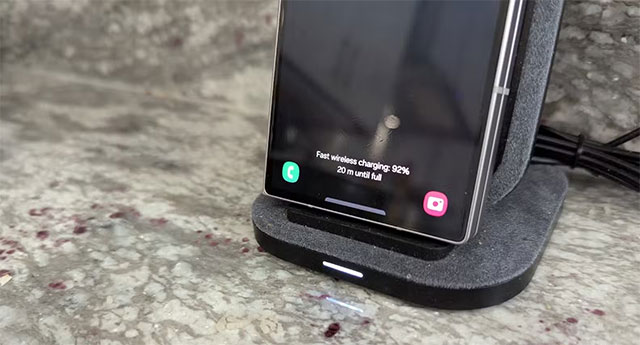
Slower Charging Speed
The most common downside to wireless charging is that it is slower than wired charging. Even though the technology has improved (especially with the Qi2 standard), wireless charging still takes longer to top up a battery. A Reddit user tested it with an iPhone 13 Pro Max (which supports Qi2): The device charged from 0% in 120 minutes with a cable, but took an additional hour with a Qi2 pad and almost 2 hours with Qi1. If you're in a hurry, the time difference is significant.
Low Efficiency, Heat Generation
Wireless charging is less efficient because of the energy lost during transmission. This not only makes the device take longer to charge, but also heats up the device, affecting the battery life in the long run.
Limit Movement While Charging
Unlike wired charging, which lets you use your phone while charging, wireless charging typically requires you to place your device on a pad. Magnetic technology like MagSafe overcomes this limitation to some extent, but only if your device supports it.
Not All Devices Are Compatible
While many modern smartphones and headphones have built-in wireless charging, older or budget devices still do not have this feature, forcing you to rely on traditional charging cables.
Initial Investment Costs
Phones these days do not even come with a charging adapter, let alone a wireless charging pad. You'll have to buy the pad separately, and some models require a powerful adapter to reach their maximum charging speeds—which adds to the cost.
Is Wireless Charging the Technology of the Future?
Wireless charging offers convenience and neatness that traditional charging cables cannot match, while also protecting the charging port. Still, slow speeds, low efficiency, and the need for direct contact remain significant barriers to consider.
The Final Decision Depends on Your Needs:
Choose wireless charging if you value convenience, space, and do not need fast charging. Go for wired charging if speed and efficiency are top priorities. While the technology is still limited, the advancement of standards like Qi2 shows that the future of wireless charging is promising!
FAQ
What is the main takeaway about Advantages and Disadvantages of Wireless Charging?
The key is to understand the core idea, compare the available options, and apply the practical guidance that matches your situation.
What should beginners know about Advantages and Disadvantages of Wireless Charging?
Start with the essential steps and terminology. Avoid changing advanced settings until you understand how they affect performance, privacy, cost, or compatibility.
How can I use this information in practice?
Follow the relevant section in order, test one change at a time, and confirm the result before moving to the next step or recommendation.
Related Articles
 What Is Wireless Charging? Is It Faster or Slower Than Charging?6 minutes read
 Wireless Charging: Speed and Supported Android Phones11 minutes read
 How to Fix Wireless Charging Errors on iPhone 8, 8 Plus, iPhone X5 minutes read
 Samsung Is Working on Creating a Wireless Charging Wall, the Devices Fully Charge Themselves When4 minutes read
 What Is Qi2 Wireless Charging? How Is It Better Than Qi?8 minutes read
 How to Charge the iPhone Wirelessly?9 minutes read
Reader Comments 0
Sign in with email or Google to join the discussion.