Table of Contents
The DASH eating plan can help lower high blood pressure. It emphasizes vegetables, fruit, whole grains, beans, and low-fat dairy while limiting sodium. Start by identifying the salty foods you eat most often and replacing one with a lower-sodium option.

Cook meals you can season yourself
Build a meal around options such as beans, vegetables, whole grains, or fish. Use lemon, vinegar, herbs, and spices for flavor. When you buy packaged food, compare sodium per serving and check how many servings you’ll actually eat. Broth, bread, sauces, and prepared meals can contribute sodium even if they don’t taste especially salty.
Choose foods that provide fiber and potassium
Try additions such as beans, oats, leafy greens, and fruit. If you have kidney disease or take medicines that affect potassium, ask your clinician before using potassium supplements, potassium-based salt substitutes, or making major changes to your intake. The American Heart Association’s potassium guidance explains who needs extra care.
Make one change you can repeat
Try unsalted nuts in place of a salty snack, no-salt-added canned beans in place of regular ones, or a lower-sodium sauce you can use throughout the week. The NIH DASH eating plan has meal-planning examples. Keep taking prescribed blood pressure medicine unless your clinician changes it.
Related Articles
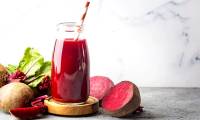 Beetroot juice helps elderly people lower blood pressure by changing oral bacteria
 A low-sodium diet can help you deal with hypertension
 Where to buy a blood pressure monitor?
 Did you know: Potassium-rich fruit is the key to lowering blood pressure
 The blood pressure of women before conception can determine the sex of the fetus
 What is blood pressure? What is normal blood pressure?
Reader Comments 0
Sign in with email or Google to join the discussion.